
You did the hard part. You stopped. You walked away from the substance, the habit, the life that was hurting you. Everyone around you might even say you are doing better now.
But inside, something still feels off.
You wake up some days and feel… empty. Not broken. Not craving. Just empty. And this is the part nobody talks about.
Why does it feel like something is still missing even after choosing addiction recovery?
This feeling confuses many people. Some even start to think, “What’s the point if I still feel like this?” That thought can become dangerous if it’s not understood.
Before anything else, you need to hear this clearly: feeling empty in addiction recovery is not failure. It is part of the process.
And yes, it can be changed.
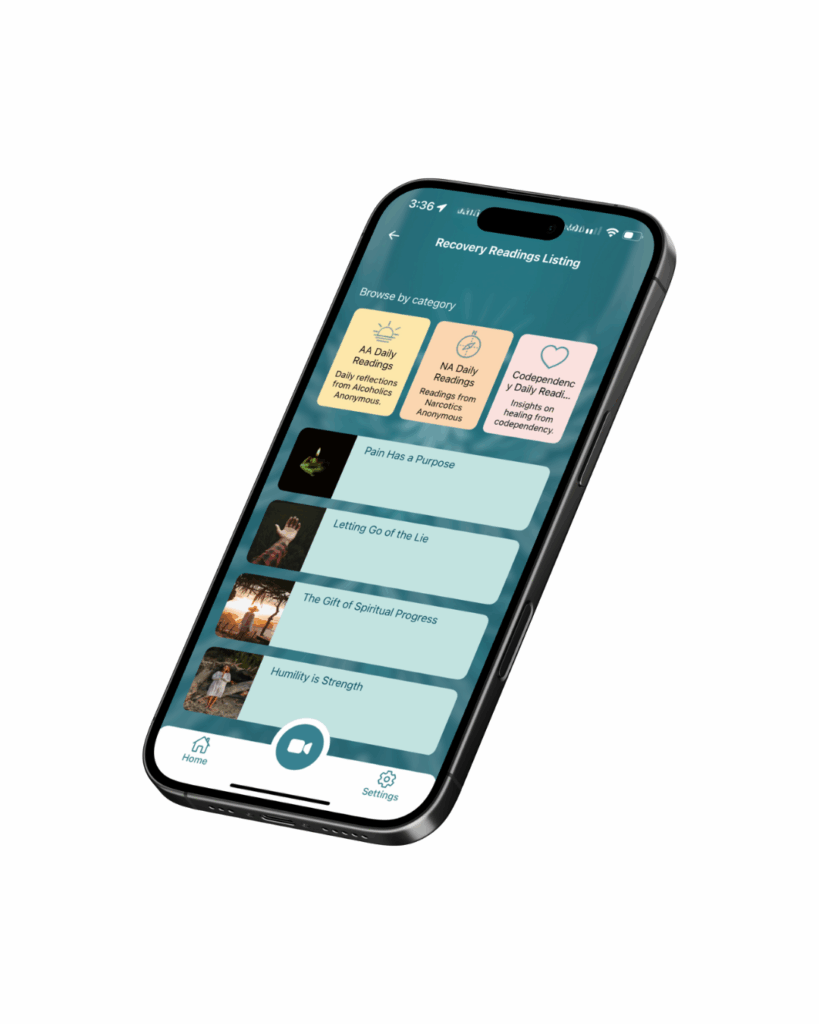
You can stay connected and supported during this phase through tools like the Connect Sobriety app, where people going through the same journey share real support and daily motivation.
The Truth Nobody Tells You About Recovery
Most people think addiction recovery is about removing something bad. That’s only half the story.
The real truth is this: you didn’t just remove a substance — you removed something your brain depended on.
That “something” wasn’t just physical. It was emotional. It was routine. It was an escape.
So when it’s gone, your life doesn’t automatically feel full. It feels quiet. And sometimes, that quiet feels uncomfortable.
According to the National Institutes of Health, addiction affects the brain’s reward system. When substances are removed, it takes time for the brain to rebalance.
That empty feeling? That’s your brain adjusting.
It’s not permanent. But it is real.
Why Emptiness Feels So Strong
Let’s be honest for a moment.
During addiction, you didn’t just fill time — you filled emotions. Stress, boredom, pain, loneliness… all of it had an escape.
Now that escape is gone.
So what happens?
Those emotions don’t disappear. They show up more clearly.
For example, someone who used substances after a stressful day now has to sit with that stress. That’s uncomfortable.
The National Institute on Drug Abuse explains that emotional discomfort is a common phase during early and mid recovery.
This is not a weakness. This is awareness returning.
This Is Where Most People Get Stuck
Here’s the dangerous part.
When people feel empty, they start thinking something is wrong.
They think:
“Why don’t I feel happy yet?”
“Why does life feel boring?”
“Was it better before?”
This is where many people slip.
Not because they want to go back… but because they don’t understand what’s happening.
That confusion can slowly turn into frustration. And frustration can turn into risky thinking.
This is why understanding this phase is so important.
What Your Mind Actually Needs Right Now
You don’t need to go back.
You don’t need to escape.
You need to rebuild.
Recovery is not just about stopping something. It is about replacing it with something meaningful.
For example, someone who used to spend evenings in harmful environments now has empty time. That time needs structure.
You can explore ways to rebuild your routine through Connect Sobriety and learn how others are doing it on the Recovery Blog Resources page.
This is where real change begins.
Rebuilding Meaning in Your Daily Life
Let’s make this practical.
If your day feels empty, it’s not because life is empty. It’s because your routine hasn’t been rebuilt yet.
For example:
Someone wakes up, scrolls through their phone, eats at random, and waits for the day to pass. That creates emptiness.
Now imagine this:
They wake up at a set time, take a walk, talk to someone, learn something new, and reflect at night.
Same person. Different structure.
Different feeling.
You can build that structure using tools from the Features page and guidance from the Landing Page.
Meaning comes from action, not waiting.
Daily Routine to Fill the Emotional Gap
Morning: Start your day with intention, not distraction.
Afternoon: Stay active — even if it’s something small.
Evening: Reflect instead of escaping.
And yes, some days will still feel empty. That’s normal.
The difference is — you won’t be lost in it.
You’ll be moving through it.
Using the Connect Sobriety app can help you stay consistent during this phase.
What You Should Never Do During This Phase
This is important.
When you feel empty:
Do not isolate yourself.
Do not assume something is wrong with you.
Do not compare your journey to others.
The Centers for Disease Control and Prevention highlights that emotional isolation increases mental stress.
You don’t need perfection right now.
You need a connection.
Real Talk: This Is the Turning Point
What phase are you in?
This is not the end of recovery.
This is the middle.
This is where your life starts becoming real again.
No shortcuts. No escape. Just real growth.
And yes — it feels uncomfortable.
But discomfort is where change happens.
Emotional Support and Recovery
If you are feeling stuck or lost, you are not alone. This phase is more common than people admit.
You can reach out through the Contact Us page or learn more about the mission on the About Us page.
You can also support recovery efforts and help others who are going through the same struggle. Sometimes, helping someone else gives your own journey more meaning.
Moving Forward With Strength
You are not empty.
You are rebuilding.
There is a difference.
What you feel right now is not a sign to go back. It is a sign to go deeper.
Stay consistent. Stay aware. Stay connected.
Because this part — the uncomfortable, quiet, honest part — is where your real life begins.