
There will be days in addiction recovery when you don’t feel like doing anything.
No motivation. No energy. No drive.
You know what you’re supposed to do. You know your routine. You know what helps.
But you just don’t feel like doing it.
This is the part people don’t prepare you for.
Because everyone talks about starting recovery… but very few talk about what happens when motivation disappears.
And here’s the truth you need to understand:
Loss of motivation in addiction recovery is normal. But how you respond to it decides everything.
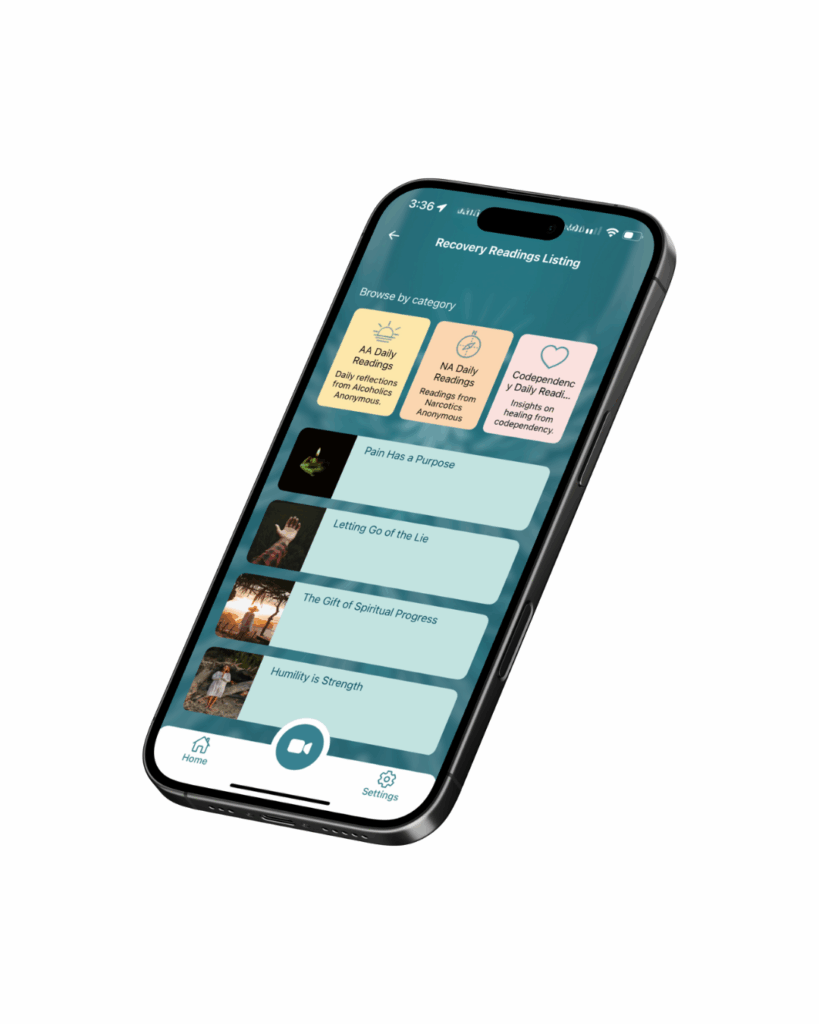
During these moments, staying connected can make a big difference. Many people rely on the Connect Sobriety app to stay grounded when motivation feels low.
Why Motivation Fades (And Why It’s Not a Problem)
Let’s be honest for a moment.
At the beginning of recovery, everything feels intense. You’re focused. You’re determined. You want change.
But that energy doesn’t last forever.
And it’s not supposed to.
Motivation is emotional. And emotions change.
According to the National Institutes of Health, long-term behavior change depends more on consistent actions than temporary motivation.
So when motivation disappears, it doesn’t mean you’re failing.
It means you’ve reached the stage where discipline matters more than feelings.
This Is Where Most People Go Wrong
Here’s the mistake.
People wait to feel motivated before they act.
They think:
“I’ll start tomorrow.”
“I’ll do it when I feel better.”
But tomorrow becomes next week. Next week becomes next month.
And slowly, progress stops.
This is not because they are weak.
It’s because they misunderstood how recovery works.
You don’t act because you feel motivated.
You feel motivated because you act.
The Reality You Need to Accept
This might sound harsh, but it’s important.
You will not feel motivated every day.
Some days you will feel tired.
Some days you will feel bored.
Some days, you will question everything.
And still… You have to show up.
The American Psychological Association explains that consistency, not motivation, builds long-term behavioral change.
This is the shift that changes everything.
From “I feel like it” to “I do it anyway.”
What To Do When You Feel Nothing
Let’s make this real.
You wake up. You feel blank. No motivation.
What now?
You don’t need a perfect day.
You need one small action.
For example:
Get out of bed.
Drink water.
Take a short walk.
That’s it.
Not everything. Just something.
Momentum starts small.
You can build these small steps into a routine using Connect Sobriety and follow structured guidance on the Landing Page.
Rebuilding Discipline (Even When You Don’t Want To)
Discipline is doing what needs to be done… even when you don’t feel like it.
And no, it’s not easy.
But it’s powerful.
For example, someone who goes for a walk even when they don’t feel like it is building discipline.
That one action sends a message to the brain:
“I’m in control.”
You can strengthen this daily through tools on the Features page and learn from others on the Recovery Blog Resources page.
Discipline builds confidence. Confidence builds motivation.
Daily Routine for Low-Motivation Days
Morning: Get up and move — even if it’s slow.
Afternoon: Do one productive task.
Evening: Reflect, don’t judge.
That’s enough.
You’re not trying to be perfect.
You’re trying to stay consistent.
Using the Connect Sobriety app can help you track these small wins.
What You Should Never Do
When motivation disappears:
Don’t isolate yourself.
Don’t quit your routine completely.
Don’t assume you’ve failed.
The Centers for Disease Control and Prevention highlights that isolation increases emotional stress and risk of relapse.
Stay connected. Even if you don’t feel like talking.
Real Example You Might Relate To
Imagine someone who was doing great for weeks.
Then suddenly, they wake up one day and feel nothing.
No motivation. No excitement.
They think something is wrong.
But instead of quitting, they do one small thing.
Then another.
And slowly… they get back on track.
Not because they felt like it.
Because they acted anyway.
Emotional Support and Recovery
If you’re in this phase, you are not alone. Many people go through this and come out stronger.
You can reach out through the Contact Us page or learn more about the mission on the About Us page.
You can also support recovery efforts and help others who are struggling. Sometimes helping someone else gives your own journey new energy.
Moving Forward With Strength
Motivation will come and go.
That’s not the problem.
The real question is — will you keep going anyway?
You don’t need to feel ready.
You just need to start.
In addiction recovery, the people who succeed are not the ones who always feel motivated.
They are the ones who keep moving… even when they don’t.