How to build healthy boundaries in addiction recovery is one of the most important skills you can develop to protect your progress and create a stable life. Many people focus only on quitting substances, but they forget that their environment, relationships, and daily interactions also play a major role in recovery.
Without boundaries, it becomes easy to fall back into old patterns. You may feel pressured, overwhelmed, or pulled into situations that do not support your sobriety. This is why boundaries are essential. They help you create a safe space where your recovery can grow.
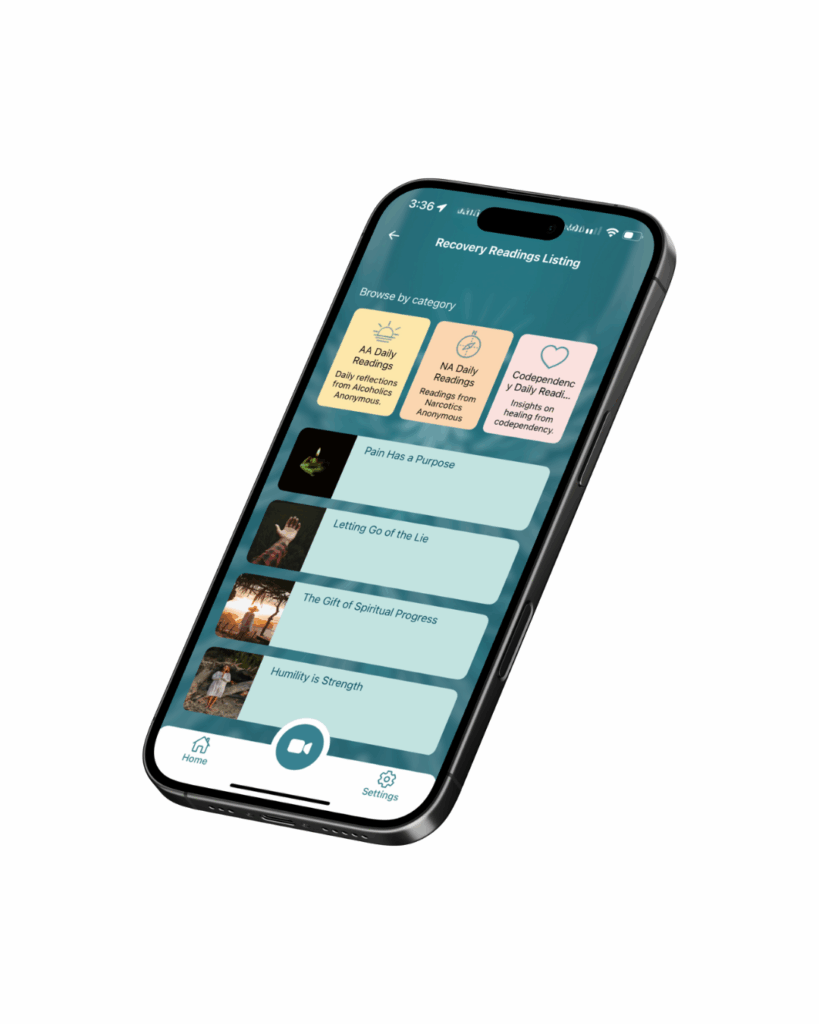
In addiction recovery, building boundaries is not about pushing people away. It is about protecting your well-being and making choices that support your future. Many individuals stay consistent and supported through tools like the Connect Sobriety app, which helps them stay focused and accountable every day.
Boundaries in Addiction Recovery
Boundaries are limits you set to protect your time, energy, and well-being. In addiction recovery, they help you avoid situations that may lead to stress or relapse.
Most people don’t realize that during addiction, boundaries are often weak or unclear. This can lead to unhealthy relationships and environments.
According to the National Institutes of Health, building healthy behavioral patterns and environments is essential for long-term recovery.
For example, someone who sets boundaries may choose to avoid certain places or limit contact with people who trigger negative behavior.
Boundaries create a sense of control and safety.
Why Healthy Boundaries Are Important for Sobriety
Healthy boundaries help reduce stress and protect your mental health. Without them, you may feel overwhelmed or pressured.
For example, someone without boundaries may agree to situations that make them uncomfortable. This can lead to emotional stress and increase the risk of relapse.
The American Psychological Association explains that setting boundaries improves emotional well-being and resilience.
In addiction recovery, this resilience is essential.
Recognizing Where You Need Boundaries
The first step in building boundaries is identifying where they are needed. This may include relationships, work, or daily habits.
For example, you might feel stressed around certain people or in certain environments. These are signs that boundaries are needed.
You can explore helpful tools on the Recovery Blog Resources page to better understand your needs.
Awareness helps you take action.
Learning to Say No Without Guilt
Saying no can feel difficult, especially if you are used to pleasing others. However, in addiction recovery, saying no is an important skill.
For example, if someone invites you to an environment that may trigger you, it is okay to decline.
Saying no does not make you selfish. It means you are protecting your recovery.
Over time, this becomes easier and more natural.
Respectful Boundaries
Boundaries should be clear and respectful. This helps others understand your needs without creating conflict.
For example, you can say, “I am focusing on my recovery, so I need to avoid certain situations.”
This communicates your needs calmly and directly.
Clear communication strengthens relationships and reduces misunderstandings.
Building a Supportive Environment
Your environment plays a major role in your recovery. Creating a supportive environment helps you stay focused and stable.
For example, someone may choose to spend more time with supportive people and avoid negative influences.
You can build a supportive environment using tools from Connect Sobriety and explore helpful features on the Features page.
A positive environment reinforces your boundaries.
Staying Consistent with Your Boundaries
Setting boundaries is only the first step. Staying consistent with them is what creates real change.
For example, if you set a boundary but do not follow it, it becomes less effective.
Consistency shows others that you are serious about your recovery.
You can stay consistent by tracking your progress with the Connect Sobriety app.
Consistency builds confidence.
Managing Reactions from Others
Not everyone will understand your boundaries, and that is okay. Some people may react negatively or question your decisions.
For example, someone might say you are being distant or different. In reality, you are focusing on your well-being.
The Centers for Disease Control and Prevention highlights the importance of protecting your mental health.
Stay calm and confident in your choices.
Daily Routine for Maintaining Boundaries
Morning: Set your intentions and remind yourself of your priorities.
Afternoon: Stay aware of your interactions and choices.
Evening: Reflect on how well you maintained your boundaries.
Consistency in these habits strengthens your ability to maintain boundaries.
Common Mistakes to Avoid
One mistake is feeling guilty for setting boundaries. Another is being unclear about your limits.
Some people also give up when others do not understand their choices.
Avoiding these mistakes helps you stay strong.
Building Healthy Boundaries
Be clear. Stay consistent. Communicate respectfully. Focus on your well-being.
These simple strategies can create lasting change.
Emotional Support and Recovery
If you or someone you know needs help, support is available. Recovery is not something you have to face alone.
You can reach out through the Contact Us page or learn more on the About Us page.
You can also support recovery efforts and help others stay on the path to sobriety.
Moving Forward With Hope
How to build healthy boundaries in addiction recovery is a journey of self-respect and growth. Every boundary you set protects your future.
Stay committed, stay confident, and believe in your ability to build a better life.