
One of the biggest misconceptions about addiction recovery is the belief that lasting change comes from constant motivation. Many people begin recovery feeling determined, focused, and emotionally strong. In the beginning, motivation can feel powerful enough to change everything.
But after some time, reality becomes more complicated.
Stress returns. Emotions become heavier. Life becomes repetitive again. On difficult days, motivation fades completely. This is the moment that confuses many people in addiction recovery because they start wondering whether they are losing progress.
The truth is that long-term recovery is usually not built on motivation alone. It is built on small daily habits repeated consistently over time.
For example, getting enough sleep, maintaining routines, eating properly, talking honestly about emotions, and staying connected to support systems may not feel dramatic, but these small habits create emotional stability. Over time, they become stronger than temporary motivation.
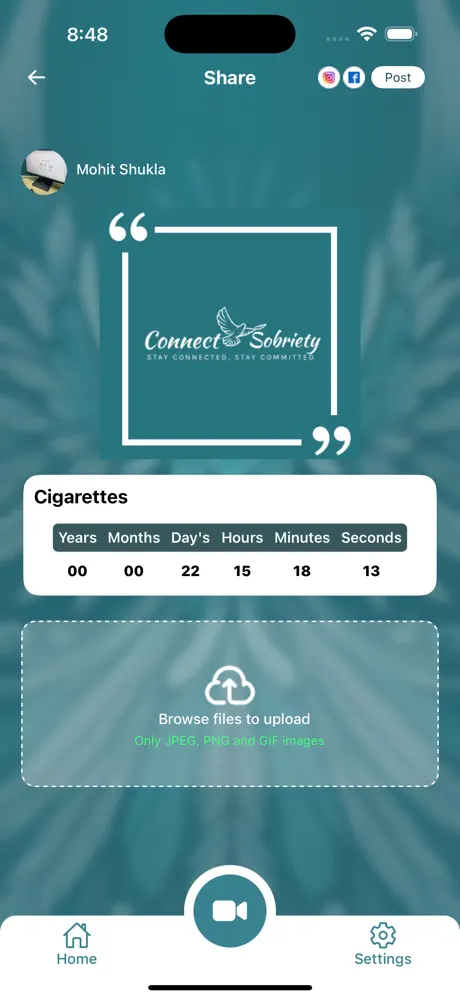
Many individuals strengthen these routines through recovery support systems like the Connect Sobriety app, which helps people stay accountable and emotionally grounded during everyday recovery challenges.
Why Motivation Alone Usually Does Not Last
Motivation is emotional. Like emotions, it naturally changes from day to day. Some mornings you may feel hopeful and focused. Other days you may feel mentally exhausted, discouraged, or emotionally overwhelmed.
This is completely normal.
According to the Substance Abuse and Mental Health Services Administration (SAMHSA), recovery is a long-term process that requires ongoing support, structure, and healthy coping strategies rather than relying only on temporary emotional states.
For example, someone may feel highly motivated after starting recovery, but eventually, real-life stress returns. Work pressure, relationship issues, loneliness, and emotional fatigue begin affecting daily routines. If recovery depends only on feeling motivated, consistency becomes difficult.
This is why habits matter so much. Healthy routines continue supporting recovery even during emotionally difficult periods.
How Daily Habits Quietly Protect Recovery
Many people underestimate how powerful small routines become over time. Daily habits create structure, and structure creates stability.
For example, waking up at a consistent time every morning may seem simple, but regular sleep patterns improve emotional regulation and mental clarity. Eating properly improves energy levels. Physical movement reduces emotional stress. Honest communication prevents emotional isolation.
Individually, these habits may seem small. Together, they create a recovery lifestyle.
The National Institute of Mental Health explains that healthy routines and emotional support systems significantly improve mental well-being during recovery and stress management.
Small daily actions may not feel exciting, but they quietly strengthen emotional resilience over time.
The Problem With Waiting to “Feel Ready”
One of the most common mistakes people make in addiction recovery is waiting for motivation before taking action.
They tell themselves:
“I’ll start tomorrow.”
“I just need to feel more motivated.”
Unfortunately, this mindset often creates inconsistency.
For example, someone may skip healthy routines during emotionally difficult days because they “do not feel like it.” Over time, missing routines creates emotional instability, which increases stress and discouragement.
The reality is that recovery habits often matter most on the days you least feel like doing them.
Consistency creates emotional strength even when motivation disappears.
Why Recovery Routines Reduce Emotional Stress
Many people in addiction recovery experience emotional overload because their days lack structure. Long periods of isolation, boredom, or unpredictability can increase mental stress significantly.
Daily habits reduce this emotional chaos by creating direction and stability.
For example, someone who follows a basic routine often feels more emotionally grounded than someone whose days feel completely unstructured.
The Centers for Disease Control and Prevention (CDC) explains that healthy routines support emotional wellness, stress management, and long-term mental stability.
This does not mean every day becomes perfect. It means emotional recovery becomes more manageable.
Examples of Small Habits That Strengthen Recovery
Healthy habits do not need to be dramatic to be effective. In fact, simple routines are usually easier to maintain long-term.
Helpful recovery habits may include:
maintaining a regular sleep schedule
drinking enough water
taking daily walks
checking in with support systems
limiting emotional isolation
avoiding unhealthy environments
Taking breaks during stressful days
Many people think recovery success comes from major breakthroughs. In reality, stability often comes from repeated small decisions.
Why Emotional Stability Is Built Slowly
One reason addiction recovery feels frustrating sometimes is that progress develops gradually. Many people expect to feel dramatically different quickly.
Instead, emotional stability usually grows slowly through repeated healthy behaviors.
For example, someone may begin sleeping better consistently, handling stress more calmly, and reacting less impulsively over time. These changes may feel subtle day to day, but they represent major growth.
The World Health Organization (WHO) emphasizes that mental health stability improves through long-term healthy behavioral patterns and supportive environments.
This means recovery is often less about dramatic emotional moments and more about sustainable routines.
How Small Habits Improve Emotional Control
Stress becomes harder to manage when emotional and physical routines collapse. Sleep deprivation, poor eating habits, isolation, and lack of structure all increase emotional vulnerability.
For example, someone who consistently ignores stress, skips meals, and isolates emotionally may become overwhelmed more easily during difficult situations.
Healthy habits create emotional support systems internally.
Simple routines improve emotional regulation because the mind and body function more consistently.
This is why daily structure matters even during periods when recovery feels emotionally difficult.
Building a Recovery Routine That Actually Feels Realistic
One major mistake people make is trying to completely transform their lives overnight. Unrealistic routines usually become exhausting quickly.
A healthier approach is starting small.
For example:
Wake up at a consistent time
Take one short walk daily
spend less time isolated
Talk honestly about stress
These habits may seem simple, but consistency matters more than intensity.
Many people strengthen daily recovery structure through tools available on Connect Sobriety and supportive resources from the Recovery Blog Resources page.
Why Boredom Often Destroys Healthy Habits
This is something many people do not expect.
Healthy habits can feel repetitive at first. Recovery routines are often calmer and less emotionally intense than old, unhealthy lifestyles.
Because of this, some people start abandoning routines once life feels “normal” again.
For example, someone may stop following sleep schedules, stop exercising, or stop checking in emotionally because things feel stable.
Unfortunately, this often weakens recovery foundations slowly over time.
Long-term recovery usually depends more on maintaining simple healthy routines than chasing emotional excitement.
Common Mistakes People Make With Recovery Habits
One common mistake is depending completely on motivation.
Another is trying to change everything at once instead of building manageable routines gradually.
Some individuals also become discouraged when habits are not perfect immediately.
For example, missing one healthy day does not mean recovery routines failed. Problems usually begin when people completely abandon structure after small setbacks.
Progress grows through consistency, not perfection. port Systems Make Healthy Habits Easier
Recovery becomes much harder when someone tries handling everything completely alone. Support systems provide accountability, emotional connection, and encouragement during difficult moments.
You can learn more about long-term recovery support through the About Us page or contact the team directly through the Contact Us page.
Support does not replace effort, but it often makes consistency easier to maintain.
Moving Forward One Habit at a Time
Lasting addiction recovery is usually not built through dramatic emotional breakthroughs.
It is built through small repeated choices.
The decision to stay consistent.
The decision to maintain structure.
The decision to continue even during emotionally difficult days.
Motivation will naturally rise and fall over time.
Healthy habits are what continue protecting recovery when emotions become unpredictable.
You do not need to completely change your life overnight.
You simply need to continue building small healthy routines that slowly create long-term stability.
Because in the end, recovery is not strengthened by one perfect day.
It is strengthened by the small habits you continue repeating every day afterward.