
Addiction recovery often begins with a strong focus on avoiding unhealthy environments, cutting off harmful influences, and creating distance from destructive habits. While these changes are necessary, many people eventually experience another challenge they did not fully expect: social isolation.
At first, isolation may even feel helpful. Someone may believe they are protecting their recovery by staying away from stressful situations or limiting interactions with certain people. In some cases, temporary distance from unhealthy environments is absolutely important. However, when isolation becomes a long-term lifestyle, it can slowly create emotional and mental problems that affect recovery stability.
Many people in recovery quietly struggle with feelings of loneliness, emotional disconnection, or lack of support. They may still appear functional from the outside, but internally, they feel disconnected from meaningful relationships and healthy emotional support systems.
This emotional isolation often grows gradually. Someone may stop answering calls, avoid conversations, spend long periods alone, or emotionally withdraw from supportive people without realizing how much stress is building internally.
According to the Substance Abuse and Mental Health Services Administration (SAMHSA), strong social support and healthy connections are important parts of long-term addiction recovery and emotional well-being.
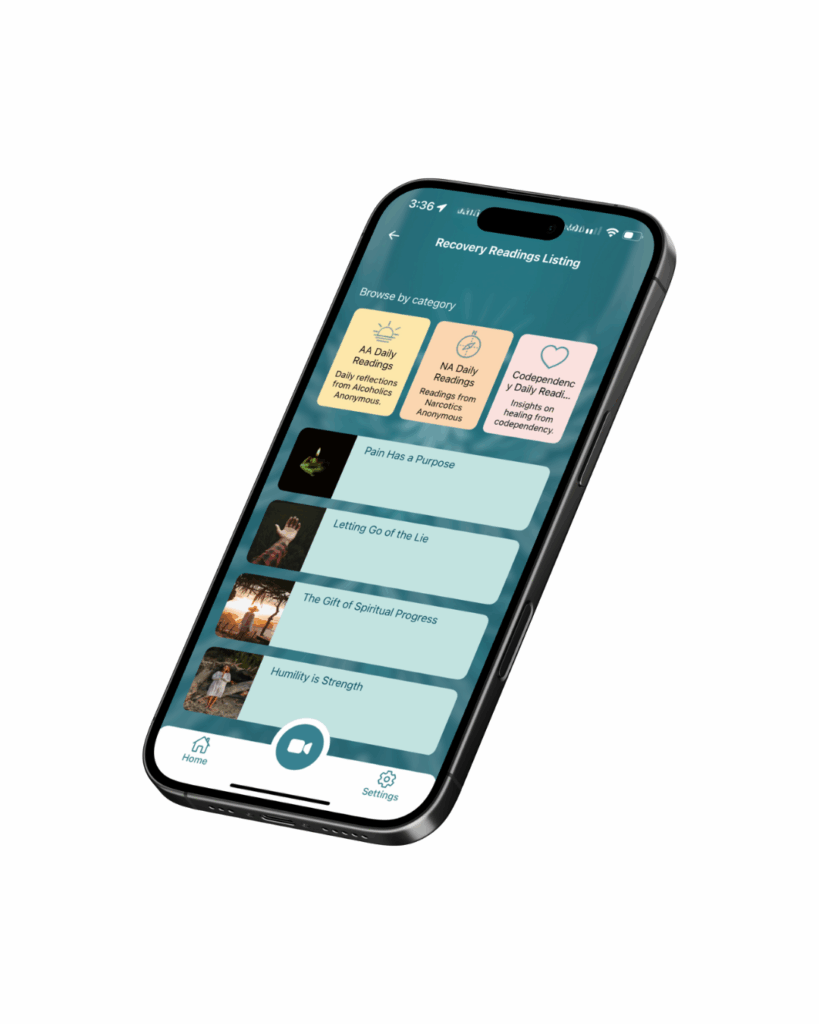
Many individuals strengthen these connections through supportive recovery communities like the Connect Sobriety app, where people can stay connected, accountable, and emotionally supported during difficult phases of recovery.
Why Isolation Feels Comfortable at First
One reason isolation becomes common during addiction recovery is that emotional safety can feel easier when fewer people are involved. Recovery already requires mental and emotional adjustment, so avoiding social pressure may initially feel calming.
For example, someone who previously experienced unhealthy relationships or stressful social environments may feel relieved spending more time alone. They no longer deal with constant emotional conflict, pressure, or risky situations.
However, emotional isolation slowly changes from “peaceful distance” into emotional disconnection when healthy relationships are not rebuilt over time.
The problem is that isolation often feels emotionally manageable in the beginning. The negative effects usually appear gradually instead of immediately.
How Isolation Slowly Affects Mental Health
Long periods of emotional isolation can increase stress, anxiety, overthinking, and emotional exhaustion. Without healthy communication and support, people often become trapped inside their own thoughts for extended periods.
For example, someone may spend days mentally replaying worries, fears, or frustrations without discussing them with anyone. Over time, these thoughts often feel larger and more overwhelming than they actually are.
The Centers for Disease Control and Prevention (CDC) explains that social isolation and loneliness can increase emotional stress, anxiety, and long-term mental health risks.
This is especially important during addiction recovery because emotional stress often affects coping ability and decision-making.
When someone becomes emotionally isolated for too long, even small life problems can begin to feel mentally overwhelming.
The Difference Between Solitude and Isolation
Healthy solitude and harmful isolation are not the same thing.
Healthy solitude allows someone to rest, reflect, and recharge emotionally while still maintaining meaningful support systems and healthy communication.
Isolation is different. Isolation usually involves emotional withdrawal, disconnection, avoidance, and increasing emotional distance from supportive people.
For example, taking quiet time after a stressful day can be healthy. Completely disconnecting from everyone for long periods while emotionally struggling is much more dangerous.
Many people in addiction recovery do not notice when healthy alone time slowly becomes emotional isolation. The transition often happens quietly.
Why Isolation Increases Relapse Risk
One of the biggest dangers of long-term isolation is that emotional stress becomes harder to manage alone. Without healthy support systems, people often carry emotional pressure silently until it becomes overwhelming.
For example, someone may experience stress, anxiety, frustration, or emotional exhaustion but avoid discussing it because they feel disconnected or emotionally withdrawn.
Over time, unprocessed stress builds internally.
The National Institute on Drug Abuse (NIDA) explains that social support, accountability, and healthy relationships improve long-term recovery outcomes and reduce relapse vulnerability.
This does not mean someone must constantly socialize or be surrounded by people all the time. It means emotional connection remains important for mental stability.
How Overthinking Becomes Worse During Isolation
Another major problem with isolation is that it increases overthinking. When people spend too much time emotionally disconnected, the mind often becomes trapped in repetitive thoughts and negative assumptions.
For example, someone may begin believing:
“Nobody understands me.”
“I’m completely alone.”
“People are judging me.”
Without healthy conversations or emotional support, these thoughts may continue growing stronger internally.
The National Institute of Mental Health (NIMH) emphasizes that emotional connection and healthy support systems play an important role in stress management and mental wellness.
Simple conversations often reduce emotional pressure more than many people realize.
Why Rebuilding Healthy Relationships Takes Time
Many people in addiction recovery struggle to rebuild social connections because previous relationships may have been damaged during addiction. Others may feel uncertain about how to create healthier friendships or support systems.
This process takes time, and that is completely normal.
For example, someone may begin by reconnecting with one supportive family member, joining a recovery community, or simply becoming more honest during conversations. Small steps often create meaningful long-term change.
Healthy relationships are usually rebuilt gradually through consistency, trust, and emotional honesty.
Practical Ways to Reduce Isolation During Recovery
Reducing isolation does not require becoming extremely social overnight. In fact, small, consistent steps are often more realistic and sustainable.
Helpful actions may include maintaining regular communication with supportive people, participating in recovery communities, creating structured routines, or spending time in emotionally healthy environments.
Many individuals strengthen these habits through recovery support tools available on Connect Sobriety and educational guidance from the Recovery Blog Resources page.
Even a simple connection can significantly improve emotional stability over time.
Daily Habits That Help Prevent Emotional Isolation
A healthy daily structure plays an important role in preventing emotional withdrawal.
For example, maintaining regular sleep schedules, checking in with supportive people, limiting excessive time alone, and participating in meaningful activities all help reduce emotional isolation.
Physical movement also helps. Taking walks, exercising, or spending time outside often improves emotional clarity and reduces stress levels.
Small routines create emotional momentum, especially during difficult periods of recovery.
Common Mistakes People Make During Isolation
One common mistake is believing isolation automatically creates safety. While avoiding harmful environments is important, complete emotional withdrawal usually increases stress over time.
Another mistake is assuming support is unnecessary after periods of stability. Many people reduce communication and accountability once recovery begins, feeling more manageable.
Some individuals also avoid conversations because they fear judgment or emotional vulnerability. Unfortunately, this silence often increases emotional pressure internally.
Healthy support systems become more effective when communication remains honest and consistent.
Support Systems Create Emotional Stability
Addiction recovery becomes much more difficult when someone feels emotionally disconnected from healthy support systems. Human connection often provides encouragement, accountability, and emotional balance during stressful periods.
You can learn more about supportive recovery communities through the About Us page or reach out directly through the Contact Us page.
Support does not remove every challenge, but it often prevents emotional struggles from becoming overwhelming.
Moving Forward Without Disconnecting Completely
Creating distance from unhealthy environments is an important part of addiction recovery. However, emotional isolation should not become a permanent lifestyle.
Long-term recovery usually becomes stronger when healthy relationships, communication, and emotional support systems are rebuilt gradually over time.
You do not need to become socially perfect overnight.
You simply need to avoid carrying emotional stress completely alone.
Because recovery becomes more stable when people feel connected, supported, and emotionally understood.
And sometimes one honest conversation can make a bigger difference than weeks of silent overthinking.