
One of the hardest parts of addiction recovery is realizing that sobriety alone does not instantly repair relationships. Many people believe that once substances are removed, trust should immediately return. Unfortunately, real life is rarely that simple.
Families, friends, and loved ones may still carry emotional pain from the past. Even when they care deeply, they may hesitate to fully trust again. This can feel frustrating for someone working hard to rebuild their life.
In many cases, people in recovery quietly ask themselves difficult questions. “Why are people still doubting me?” “Why does it feel like I’m being watched all the time?” “Will things ever feel normal again?”
These emotions are common during addiction recovery, especially in the early stages of rebuilding relationships. The good news is that trust can return over time, but it usually happens through consistency rather than promises.
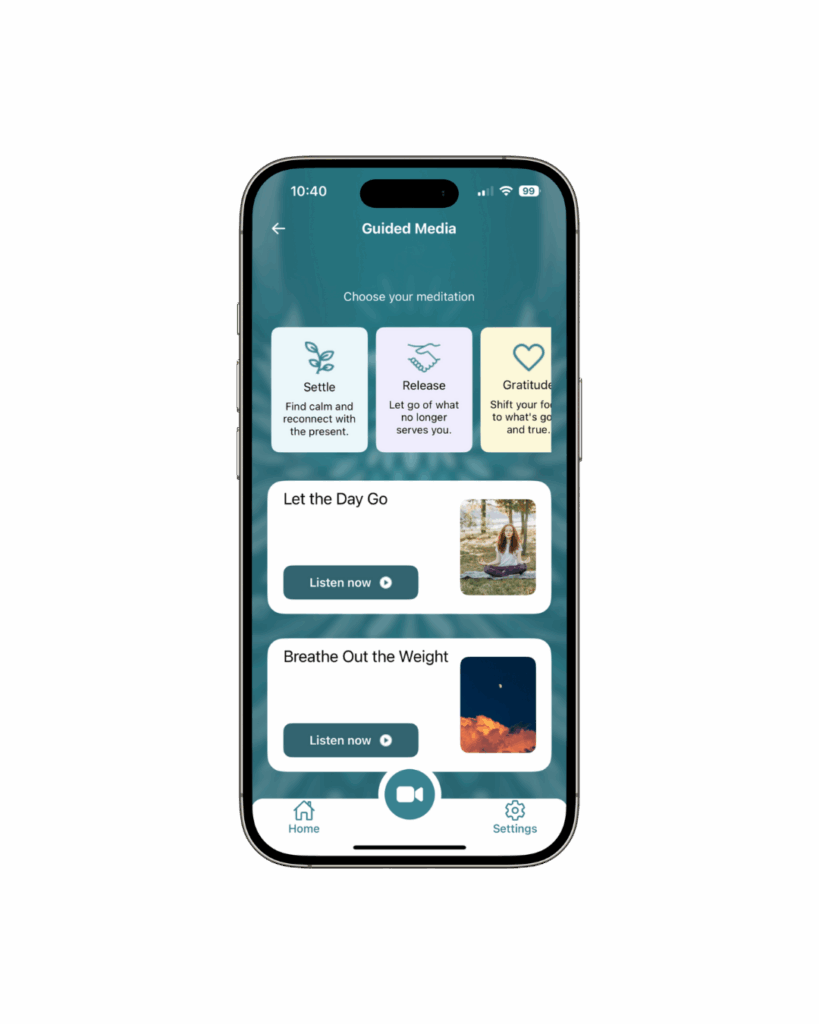
Many individuals find it helpful to stay connected with supportive recovery communities during this process. The Connect Sobriety app offers tools and support that help people remain accountable and emotionally grounded while rebuilding their lives.
Why Trust Breaks During Addiction
Addiction affects more than physical health. It often changes communication, emotional reliability, and behavior patterns. Loved ones may experience broken promises, emotional distance, dishonesty, or unpredictable situations over time.
Even when addiction was never intended to hurt others, relationships are still affected by repeated instability. According to the National Institutes of Health, addiction can significantly impact family systems, emotional safety, and long-term relationship trust.
For example, someone may have repeatedly promised to change in the past but struggled to maintain consistency. Over time, loved ones naturally become more cautious. This caution is not always punishment. Sometimes it is self-protection.
Understanding this is important because many people in addiction recovery unintentionally expect immediate emotional forgiveness from others. When that does not happen, frustration and discouragement can grow.
Why Sobriety Alone Does Not Immediately Rebuild Trust
Stopping harmful behaviors is an important achievement, but trust is built through repeated actions over time. People often need to see stability consistently before they feel emotionally safe again.
For example, someone may stay sober for several weeks but still struggle with communication, emotional honesty, or accountability. Loved ones may notice positive changes, but still remain careful emotionally.
This stage can feel emotionally painful because the person in recovery often feels they are trying hard while still facing doubt. However, rebuilding trust usually requires patience from everyone involved.
The American Psychological Association explains that rebuilding damaged relationships after addiction involves long-term behavioral consistency, emotional transparency, and healthy communication patterns.
In simple terms, people trust what they repeatedly experience, not only what they hear.
The Emotional Pressure of Trying to “Prove” Yourself
Many people in addiction recovery become emotionally exhausted trying to prove they have changed. They may constantly feel watched, questioned, or judged.
This emotional pressure can create frustration. Some individuals begin thinking:
“No matter what I do, nobody believes me.”
“What’s the point of trying if people still doubt me?”
These thoughts can become emotionally dangerous if they are not handled carefully. The reality is that trust usually returns slowly, especially if relationships were damaged over a long period of time.
For example, imagine someone who spent years struggling with addiction. Even after entering recovery, family members may still need time before fully relaxing emotionally. This does not necessarily mean they do not care. It often means they are healing, too.
What Actually Rebuilds Trust Over Time
Many people think rebuilding trust requires big speeches, dramatic apologies, or emotional promises. In reality, trust is usually rebuilt through small, consistent actions.
Simple behaviors matter more than dramatic words.
Showing up on time.
Being honest during difficult conversations.
Following through on commitments.
Maintaining healthy routines.
These repeated actions slowly create emotional stability in relationships.
The National Institute on Drug Abuse highlights that stable behavioral patterns and accountability improve recovery outcomes and strengthen interpersonal trust.
Consistency may feel boring at times, but consistency is exactly what rebuilds emotional safety.
Learning to Accept Slow Progress in Relationships
This part of addiction recovery can be emotionally difficult because relationship healing rarely happens quickly. Some conversations remain uncomfortable for a while. Some family members may continue asking questions. Some friendships may never fully return to what they once were.
That reality can feel painful, but it does not mean healing is impossible.
For example, someone rebuilding trust with family may notice small improvements over time. Conversations become calmer. Tension slowly decreases. Emotional distance becomes less intense.
These small changes matter more than many people realize.
Healing often happens gradually rather than dramatically.
How Honest Communication Helps Rebuild Relationships
One of the most important parts of rebuilding trust is honest communication. Many relationships damaged by addiction suffered from avoidance, secrecy, or emotional shutdown.
Learning to communicate openly helps create emotional stability again.
This does not mean every conversation needs to become emotional or intense. In fact, simple honesty often matters most.
For example, admitting stress instead of hiding it can strengthen trust. Talking openly about struggles instead of pretending everything is perfect creates emotional realism.
People usually trust honesty more than perfection.
Why Patience Matters So Much
One of the biggest mistakes people make in addiction recovery is expecting emotional repair to happen immediately. Unfortunately, pressure usually slows healing instead of helping it.
For example, repeatedly asking someone “Do you trust me now?” can create emotional tension rather than comfort.
Trust grows naturally when stability becomes consistent over time.
The Centers for Disease Control and Prevention explains that emotional safety in relationships develops gradually through healthy patterns and communication.
Patience is difficult, but it protects long-term healing.
Daily Habits That Help Rebuild Trust
Small daily actions often matter more than large emotional conversations. Consistent healthy habits create reliability, and reliability creates trust.
Helpful habits may include maintaining routines, communicating honestly, managing stress responsibly, and staying connected to recovery support systems.
Many people strengthen these habits using resources available through Connect Sobriety and recovery tools on the Features page.
Even simple consistency can slowly change relationship dynamics over time.
Common Mistakes People Make While Rebuilding Trust
One common mistake is expecting forgiveness to happen quickly. Another is becoming defensive when loved ones still feel cautious.
Some individuals also stop communicating honestly because they feel emotionally discouraged.
For example, someone may become frustrated after being questioned repeatedly and emotionally withdraw completely. Unfortunately, emotional withdrawal usually increases distance rather than reducing it.
Another mistake is trying to “rush” trust rebuilding. Trust usually grows through repeated stability, not pressure.
How Families and Loved Ones Heal Too
It is important to remember that addiction recovery affects entire families emotionally. Loved ones often carry stress, fear, disappointment, or emotional exhaustion from previous experiences.
Healing is not only happening for the person in recovery. Families are adjusting emotionally as well.
This understanding can create more compassion on both sides.
For example, a family member asking extra questions may not be trying to punish someone. They may simply still feel emotionally cautious.
Understanding this reduces resentment and improves communication.
Support Makes Relationship Healing Easier
Trying to rebuild relationships alone can feel emotionally overwhelming. Support systems often help people stay balanced during difficult emotional phases.
You can learn more about recovery support and relationship healing through the Recovery Blog Resources page or reach out directly through the Contact Us page.
Support does not remove challenges completely, but it makes difficult moments easier to manage.
Moving Forward One Step at a Time
Rebuilding trust in addiction recovery is rarely quick or simple. Some days feel encouraging. Other days may feel emotionally frustrating.
But healing relationships is possible when recovery becomes consistent, honest, and stable over time.
You do not need to become perfect overnight.
You need patience.
Consistency.
Honest communication.
Because in the end, trust is not rebuilt through one big moment.
It is rebuilt through hundreds of small moments that slowly prove change is real.