
One emotional struggle many individuals quietly experience during addiction recovery is the fear of becoming emotionally dependent on other people again. After going through painful experiences, damaged trust, emotional instability, disappointment, or unhealthy relationships, many individuals begin recovery wanting to feel emotionally independent and fully in control of themselves.
At first, this desire often feels healthy.
For example, someone may become highly focused on personal growth, emotional discipline, healthier routines, and rebuilding stability independently. They may avoid vulnerability, emotional attachment, or relying too heavily on anyone because they fear emotional pain, disappointment, or losing emotional control again.
But over time, many individuals quietly become emotionally exhausted from trying to carry every emotional burden completely alone.
Many people begin asking themselves:
“Why do I struggle trusting people emotionally now?”
“Why does emotional closeness sometimes make me uncomfortable?”
“Why do I feel safer emotionally isolated even when I feel lonely?”
These emotional experiences are extremely common during long-term recovery.
Many individuals wrongly assume emotional independence means never needing support from anyone again. In reality, healthy recovery often involves learning how to balance emotional independence with healthy emotional connection.
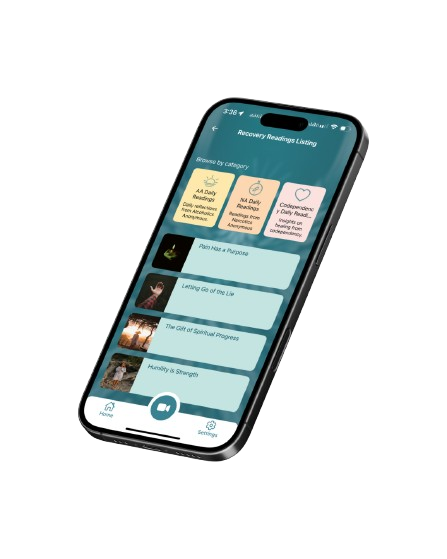
Many people manage these emotional challenges more effectively through supportive recovery systems like the Connect Sobriety app, where individuals can stay emotionally connected, supported, and grounded throughout long-term recovery.
Why Emotional Trust Often Feels Difficult After Addiction
Many people entering recovery carry emotional wounds from painful experiences connected to addiction, unhealthy relationships, emotional betrayal, instability, or damaged trust.
For example, someone may have experienced abandonment, dishonesty, emotional manipulation, broken relationships, or painful emotional disappointment during difficult years of addiction.
Over time, these experiences often create emotional self-protection.
Someone may begin believing:
“Depending on people emotionally is dangerous.”
“It’s safer if I handle everything alone.”
“I can’t risk emotional disappointment again.”
This emotional guarding becomes understandable after painful experiences.
According to the Substance Abuse and Mental Health Services Administration (SAMHSA), long-term recovery often involves rebuilding emotional wellness, healthy relationships, trust, and supportive coping systems over time.
This means emotional healing usually includes learning how to safely reconnect with people again, rather than emotionally shutting down permanently.
Why Many People Confuse Support With Weakness
One major emotional struggle many individuals experience during recovery is believing that asking for emotional support somehow means weakness.
For example, someone may feel emotionally overwhelmed, stressed, lonely, or mentally exhausted but still refuse to reach out because they believe they should handle everything independently.
Many individuals become emotionally hyper-independent after painful experiences because relying on others previously led to disappointment or emotional pain.
Unfortunately, emotional isolation often increases emotional exhaustion significantly over time.
The problem is that humans naturally require emotional connection, encouragement, understanding, and support during difficult periods of life.
Healthy emotional support is not a weakness.
Healthy emotional dependence simply means allowing trustworthy relationships to exist without losing personal identity or emotional balance.
How Emotional Isolation Quietly Increases Mental Exhaustion
Many people do not realize how emotionally draining long-term isolation can become during recovery.
For example, someone may constantly carry stress, emotional pressure, overthinking, fear, anxiety, or emotional exhaustion internally without discussing those feelings honestly with anyone.
At first, emotional isolation may feel emotionally safer because it reduces vulnerability.
But over time, emotional loneliness often becomes emotionally overwhelming.
The mind becomes trapped inside constant internal thinking without healthy emotional release or perspective.
This emotional pressure quietly increases anxiety, discouragement, emotional numbness, and mental fatigue.
The National Institute of Mental Health (NIMH) explains that emotional wellness often requires healthy social connections, supportive coping systems, emotional awareness, and long-term stress management.
This is why emotional support remains important throughout long-term recovery.
Why Vulnerability Feels Emotionally Unsafe
Many individuals in recovery struggle deeply with emotional vulnerability.
For example, someone may avoid expressing fear, loneliness, sadness, emotional needs, or emotional struggles because vulnerability feels emotionally risky.
Some individuals fear being judged.
Others fear rejection, disappointment, emotional dependence, or losing emotional control.
As a result, many people maintain emotional distance even from supportive relationships.
The problem is that emotional walls often protect people from connection; at the same time, they protect them from pain.
This creates emotional loneliness even when supportive people are available.
How Past Relationships Affect Emotional Safety
Past unhealthy relationships often shape how emotionally safe a connection feels during recovery.
For example, someone who experienced emotional manipulation, betrayal, codependency, emotional instability, or toxic relationships may unconsciously associate emotional closeness with emotional danger.
Even a healthy emotional connection may initially feel uncomfortable because the nervous system has learned to associate vulnerability with emotional pain.
This emotional reaction is extremely common after difficult emotional experiences.
Healing often requires learning how to recognize the difference between unhealthy emotional dependence and healthy emotional support.
Why Hyper-Independence Often Develops During Recovery
Many individuals unconsciously become emotionally hyper-independent during recovery.
For example, someone may:
• refuse help even when struggling
• avoid emotional conversations
• isolate during stressful periods
• minimize emotional needs
• constantly handle problems alone
• avoid relying emotionally on anyone
At first, this behavior may appear emotionally strong externally.
But over time, carrying everything alone often creates emotional exhaustion and loneliness.
True emotional strength usually involves knowing when healthy support is needed rather than refusing all emotional connection entirely.
How Overthinking Makes Emotional Connection Harder
Overthinking often creates additional emotional difficulty during recovery relationships.
For example, someone may constantly analyze:
• whether they are trusting people too much
• whether vulnerability is dangerous
• whether relationships will eventually fail
• whether emotional closeness will lead to pain again
These thought patterns quietly create emotional tension and anxiety.
Many individuals become emotionally guarded even when relationships are healthy because fear keeps the mind constantly emotionally defensive.
The reality is that emotional safety usually develops gradually through repeated healthy experiences over time.
Why Healthy Relationships Support Recovery
Healthy emotional relationships often become one of the strongest emotional protections during long-term recovery.
For example, supportive relationships often provide:
• emotional encouragement
• accountability
• perspective during difficult periods
• emotional grounding
• healthier communication
• reduced emotional isolation
Many individuals become emotionally healthier once they realize support does not remove independence.
Instead, healthy connections often strengthen emotional resilience and recovery stability.
The Centers for Disease Control and Prevention (CDC) explains that emotional support and healthy social connections strongly affect mental wellness, emotional resilience, and long-term emotional health.
How Healthy Boundaries Create Emotional Balance
One important part of emotional healing is learning the difference between a healthy connection and unhealthy emotional dependence.
Healthy relationships allow emotional support while still maintaining personal responsibility, emotional awareness, and healthy boundaries.
For example, someone can emotionally trust supportive people without becoming emotionally consumed by relationships completely.
Healthy emotional balance usually includes:
• emotional honesty
• healthy communication
• personal accountability
• emotional awareness
• balanced independence
• supportive connection
Recovery often becomes emotionally healthier once individuals stop viewing support and independence as opposites.
How Healthy Routines Improve Emotional Stability
Consistent healthy routines often help individuals feel emotionally safer during recovery relationships and emotional growth.
For example, stable sleep habits, exercise, emotional awareness, journaling, mindfulness practices, supportive communication, and healthy boundaries often improve emotional regulation significantly over time.
Small healthy habits quietly strengthen emotional resilience.
Many individuals strengthen these routines through recovery support available on Connect Sobriety and educational guidance from the Recovery Blog Resources page.
Consistency often helps individuals slowly rebuild emotional trust in themselves and others.
Why Emotional Patience Is Necessary During Healing
Many individuals become frustrated because emotional trust does not return quickly.
For example, someone may feel discouraged because vulnerability, emotional closeness, or asking for support still feels emotionally uncomfortable after months of recovery.
But emotional healing usually develops gradually.
The brain often requires repeated experiences of emotional safety before emotional trust begins to feel natural again.
This process cannot usually be rushed.
Patience becomes extremely important during long-term emotional healing.
Common Signs Someone Fears Emotional Dependence
Many individuals fail to recognize these emotional patterns early.
Some common signs include:
• emotional isolation
• difficulty asking for help
• fear of vulnerability
• overthinking relationships
• emotional distancing
• discomfort with emotional closeness
• constantly handling problems alone
• avoiding emotional conversations
Recognizing these emotional patterns often helps individuals rebuild healthier emotional awareness during recovery.
Why Support Systems Help Recovery Feel Emotionally Safer
Addiction recovery often becomes emotionally healthier when individuals remain connected to supportive environments during difficult emotional periods.
Support systems provide encouragement, perspective, emotional grounding, accountability, and reminders that emotional healing takes time.
You can learn more about supportive recovery communities through the About Us page or connect directly through the Contact Us page.
Healthy support systems often help individuals slowly rebuild emotional trust, connection, and long-term emotional stability.
Moving Forward Without Carrying Everything Alone
Fearing emotional dependence during recovery does not automatically mean someone is emotionally broken.
In many cases, it simply means emotional healing is still teaching the mind how to feel safe with connection again after painful experiences.
Some emotional fear will naturally remain sometimes.
Some vulnerability will still feel uncomfortable.
That does not erase growth.
Long-term recovery is usually strengthened through emotional honesty, healthy boundaries, supportive connections, emotional awareness, patience, and repeated healthy experiences over time.
Because healing is not about becoming emotionally isolated forever.
Sometimes healing also means learning that healthy support does not take away independence — it often helps make emotional strength sustainable long term.
And over time, many individuals eventually realize that true emotional recovery is not about never needing people again, but about learning how to connect with healthier people in healthier ways than before.