
One emotional struggle many individuals quietly experience during addiction recovery is the frustrating feeling of being emotionally stuck, even while life is slowly improving. Someone may maintain sobriety, rebuild routines, improve emotional awareness, strengthen relationships, and create healthier habits, yet still feel internally disconnected, frustrated, or emotionally unsatisfied.
This experience often feels confusing because external progress may already be visible.
For example, someone may now have healthier routines, more emotional stability, improved communication, or stronger self-control than before. Yet internally, they may still feel emotionally restless or disappointed because healing does not feel as complete or fast as they expected.
Many individuals begin asking themselves:
“Why do I still feel emotionally stuck?”
“Why doesn’t recovery feel easier yet?”
“Why do I still feel emotionally frustrated even though I’m improving?”
These emotional experiences are extremely common during long-term recovery.
Many individuals wrongly assume emotional frustration means they are failing. In reality, emotional healing often develops much more slowly than external life improvements.
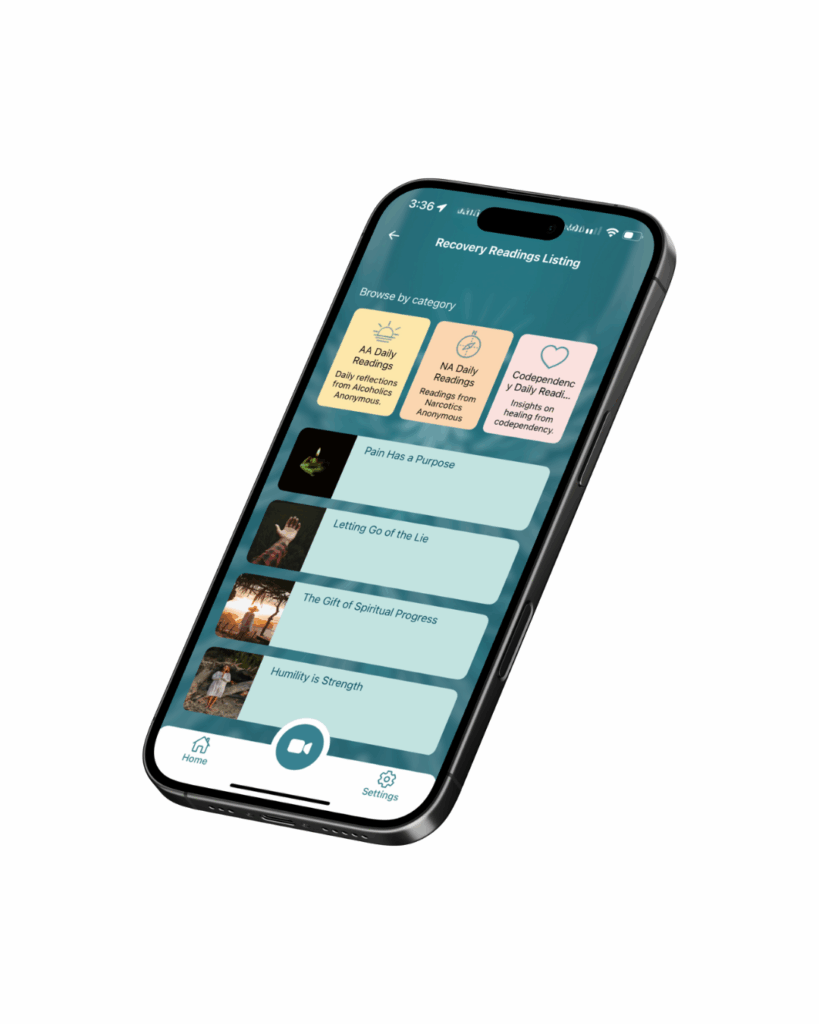
Many people manage these emotionally difficult periods more effectively through supportive recovery systems like the Connect Sobriety app, where individuals can stay emotionally grounded, connected, and supported throughout long-term recovery.
Why Emotional Healing Often Feels Slower Than Expected
Many people enter recovery expecting emotional peace to arrive quickly once unhealthy habits stop. While some improvements happen early, deeper emotional healing usually requires much more time.
For example, rebuilding emotional confidence, self-trust, healthy coping systems, emotional regulation, and long-term mental stability often develops gradually over months or years.
Because these changes happen slowly, many individuals emotionally judge themselves too harshly during the process.
According to the Substance Abuse and Mental Health Services Administration (SAMHSA), recovery involves long-term emotional wellness, behavioral growth, stress management, and healthier life stability over time.
This means emotional growth is usually gradual rather than instant.
Why External Progress Does Not Always Create Immediate Inner Peace
One difficult reality many individuals eventually realize is that external life improvements do not automatically remove internal emotional struggles immediately.
For example, someone may rebuild work stability, improve physical health, repair relationships, or maintain sobriety consistently while still privately struggling with anxiety, emotional exhaustion, overthinking, loneliness, or self-doubt.
This emotional gap often feels frustrating.
Many people expect external success to immediately create emotional fulfillment internally.
But emotional healing usually continues beneath the surface long after life begins improving externally.
How Overthinking Creates Emotional Frustration
Overthinking becomes one of the biggest reasons many individuals feel emotionally stuck during recovery.
For example, someone may constantly analyze:
• personal progress
• emotional reactions
• future fears
• past mistakes
• recovery timelines
• personal goals
Thoughts like:
“I should be further ahead by now.”
“Why am I still emotionally struggling?”
“What if I never fully heal?”
These thought patterns quietly create emotional pressure and discouragement.
The problem is that many individuals become so focused on what still feels difficult that they stop recognizing how much growth has already happened.
The National Institute of Mental Health (NIMH) explains that emotional wellness often requires long-term emotional support, stress management, and healthier emotional coping systems.
This process naturally takes time.
Why Comparison Quietly Damages Emotional Confidence
Many individuals feel emotionally behind because they constantly compare their recovery journey to others.
For example, someone may see another person appearing emotionally confident, financially stable, or highly successful while privately struggling emotionally themselves.
Over time, comparison quietly creates emotional discouragement.
The reality is that every recovery journey is deeply personal. Some individuals emotionally stabilize faster, while others require more time rebuilding confidence, identity, emotional balance, and healthier routines.
External appearances also rarely show the full reality of someone’s private emotional struggles.
This is why focusing on personal growth usually creates healthier emotional progress than constantly comparing life to others.
How Emotional Burnout Creates Feelings of Being Stuck
Many individuals quietly become emotionally exhausted during long-term recovery without recognizing it immediately.
For example, someone may spend months or years constantly trying to stay responsible, emotionally stable, productive, and supportive toward others while neglecting personal emotional rest completely.
Over time, emotional burnout often creates feelings of numbness, frustration, mental fatigue, or emotional emptiness.
This emotional exhaustion can make progress feel emotionally invisible, even while growth continues happening.
The problem is that emotionally exhausted people often struggle to recognize their own improvement clearly.
Why Emotional Healing Is Not Always Linear
Many individuals become discouraged because emotional healing rarely follows a perfectly straight path.
Some weeks feel emotionally strong and motivating.
Other periods feel emotionally heavy, stressful, or mentally exhausting.
This does not automatically mean progress disappeared.
For example, someone may still experience emotionally difficult days while handling stress more calmly, communicating more honestly, and maintaining healthier routines than ever before.
Recovery progress often continues quietly even during emotionally difficult seasons.
How Healthy Routines Help Reduce Emotional Frustration
Consistent healthy routines often help individuals feel emotionally more grounded during periods of discouragement.
For example, stable sleep schedules, exercise habits, hydration, supportive communication, journaling, mindfulness practices, healthy boundaries, and balanced routines often improve emotional resilience over time.
Small healthy habits quietly create emotional stability.
Many individuals strengthen these routines through recovery support available on Connect Sobriety and educational guidance from the Recovery Blog Resources page.
Consistency often helps individuals feel emotionally stronger even before emotional confidence fully returns.
Why Emotional Patience Matters So Much During Recovery
One major mistake many individuals make is expecting emotional healing to happen too quickly.
For example, someone may become frustrated because they still experience anxiety, emotional exhaustion, overthinking, or self-doubt after months of sobriety.
But emotional healing usually requires long periods of repeated healthy experiences before the brain fully adapts to emotional stability again.
This process cannot usually be rushed.
Patience becomes one of the most important emotional skills during long-term recovery.
Most emotional growth develops gradually through consistency rather than dramatic overnight change.
Why Emotional Isolation Makes Feeling Stuck Worse
Many individuals isolate themselves emotionally during discouraging periods because they feel ashamed of admitting that recovery still feels difficult sometimes.
For example, someone may stop discussing emotional struggles openly because they believe they should already feel emotionally stronger by now.
Unfortunately, emotional isolation often increases discouragement and emotional exhaustion significantly.
Support systems help people regain emotional perspective, encouragement, accountability, and emotional balance during difficult seasons.
The Centers for Disease Control and Prevention (CDC) explains that emotional support and healthy social connections strongly affect emotional resilience and long-term mental wellness.
This is why emotional connection remains important throughout recovery.
Common Signs Someone Feels Emotionally Stuck During Recovery
Many individuals fail to recognize these emotional patterns early.
Some common signs include:
• emotional frustration
• constant overthinking
• discouragement about progress
• emotional numbness
• comparing yourself to others
• difficulty recognizing improvement
• mental exhaustion
• emotional restlessness
• anxiety about the future
Recognizing these emotional patterns often helps individuals rebuild healthier emotional awareness during long-term recovery.
Why Support Systems Help Recovery Feel More Hopeful
Addiction recovery often becomes emotionally healthier when individuals remain connected to supportive environments during discouraging periods.
Support systems provide encouragement, emotional grounding, accountability, and reminders that emotional healing takes time.
You can learn more about supportive recovery communities through the About Us page or connect directly through the Contact Us page.
Healthy support systems often help individuals continue moving forward emotionally, even when progress feels slow internally.
Moving Forward Without Believing You Are Failing
Feeling emotionally stuck during recovery does not automatically mean growth has stopped.
In many cases, it simply means emotional healing is still happening quietly beneath the surface.
Some emotionally difficult periods will naturally happen.
Some frustrating weeks will still occur.
That does not erase progress.
Long-term recovery is usually strengthened through emotional honesty, patience, healthy routines, supportive connections, stress management, and repeated small improvements over time.
Because healing is rarely about becoming emotionally perfect quickly.
It is usually about continuing to grow slowly, even during seasons where progress feels emotionally invisible.
And over time, many individuals eventually realize that although healing may sometimes feel painfully slow, they are already living in healthier ways than the version of themselves who first began recovery.