
One emotional challenge many individuals quietly experience during addiction recovery is the feeling that life is somehow on hold. Even while making progress, maintaining sobriety, improving routines, and rebuilding emotional stability, many people still feel as though they are waiting for a future moment when life will finally feel complete, meaningful, or fully enjoyable again.
This emotional experience can become frustrating because recovery often requires tremendous effort. Someone may be working hard every day, making healthier choices, and avoiding destructive habits, yet still feel emotionally disconnected from the life they are building.
For example, someone may think:
“Once I reach one year sober, then I’ll finally feel happy.”
“Once my finances improve, then life will feel normal again.”
“Once people trust me completely, then I can relax.”
“Once everything is fixed, then I’ll finally enjoy life.”
While these thoughts are understandable, they often create an emotional trap where happiness becomes permanently postponed into the future.
Many individuals wrongly assume emotional fulfillment will suddenly arrive after reaching a certain milestone. In reality, recovery often requires learning how to participate in life while healing rather than waiting until healing feels completely finished.
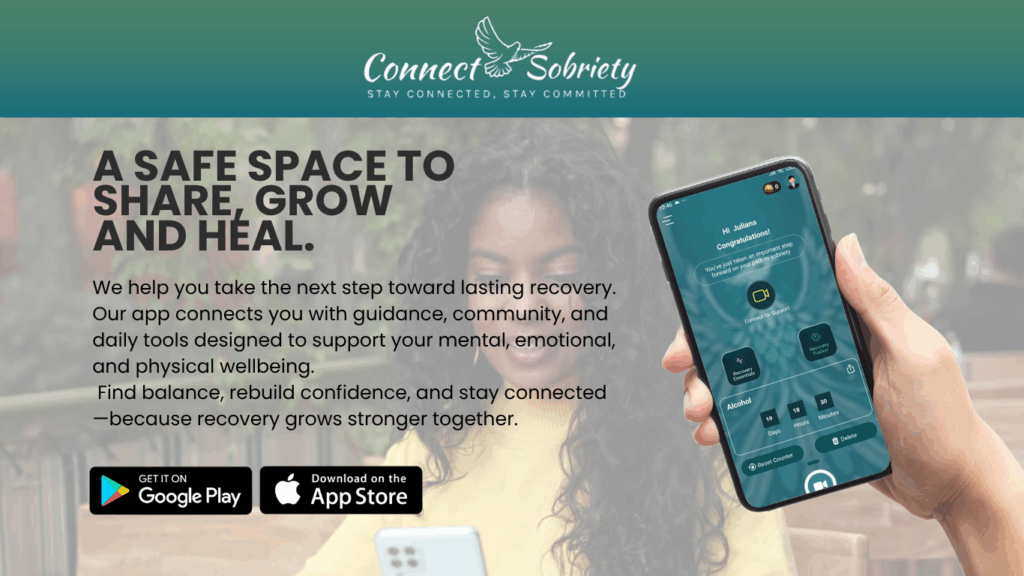
Many people navigate these emotional challenges more effectively through supportive recovery systems like the Connect Sobriety app, where individuals can stay emotionally connected, accountable, and supported throughout their recovery journey.
Why Recovery Often Creates Future-Focused Thinking
Many people entering recovery become highly focused on the future. This makes sense because recovery often begins with a strong desire to improve life, repair damage, and create healthier circumstances.
For example, someone may create goals related to sobriety, relationships, health, employment, finances, education, or personal growth.
Goals can be incredibly helpful.
However, some individuals become so focused on future achievements that they stop appreciating present progress.
According to the Substance Abuse and Mental Health Services Administration (SAMHSA), recovery involves improving health, wellness, self-direction, and overall quality of life over time.
Quality of life is not only something that exists at the end of recovery. It can also be developed throughout the recovery process itself.
How The “I’ll Be Happy When” Mindset Creates Frustration
One of the most common emotional traps during recovery is the “I’ll be happy when” mindset.
For example:
“I’ll be happy when I get a better job.”
“I’ll be happy when my family trusts me again.”
“I’ll be happy when I stop struggling emotionally.”
“I’ll be happy when recovery feels easier.”
The problem is that every achievement often creates another future target.
Once one goal is reached, another goal immediately replaces it.
As a result, emotional satisfaction remains permanently postponed.
Many individuals spend years chasing future emotional peace without realizing they are ignoring meaningful growth already happening in the present.
Why Progress Sometimes Feels Less Exciting Than Expected
Many people believe that achieving recovery milestones will create a dramatic emotional transformation.
Sometimes important milestones do feel deeply rewarding.
However, many individuals are surprised when reaching major goals feels less emotionally dramatic than expected.
For example, someone may achieve six months of sobriety, improve financial stability, rebuild family relationships, or reach personal goals and still wake up the next day feeling like the same person.
This can create emotional disappointment.
The reality is that personal growth often develops gradually rather than through one life-changing moment.
The National Institute of Mental Health (NIMH) explains that emotional wellness often develops through ongoing habits, support systems, emotional awareness, and healthy coping practices.
Growth is usually a process rather than a single event.
How Regret Makes People Postpone Happiness
Many individuals in recovery carry regret about the years affected by addiction.
For example, someone may regret lost opportunities, damaged relationships, financial difficulties, health problems, or personal mistakes.
Sometimes this regret creates an unconscious belief that happiness must be earned through suffering.
Someone may think:
“I don’t deserve to feel good yet.”
“I need to fix everything first.”
“I should focus only on making up for the past.”
Unfortunately, this emotional mindset often creates ongoing emotional exhaustion.
Recovery becomes healthier when people learn how to accept responsibility for the past without permanently withholding joy from themselves.
Why Small Wins Often Go Unnoticed
Many individuals fail to recognize how much progress they are actually making because they focus only on large achievements.
For example, someone may overlook:
• healthier communication
• better emotional regulation
• improved sleep habits
• stronger boundaries
• increased self-awareness
• reduced impulsive behavior
• healthier routines
• stronger resilience during stress
These improvements may seem small individually.
However, together they often represent tremendous emotional growth.
Long-term recovery is usually built through these smaller victories rather than dramatic transformations alone.
How Constant Self-Improvement Can Become Exhausting
Personal growth is valuable, but many individuals become emotionally exhausted by constantly trying to improve themselves.
For example, someone may always feel pressure to become stronger, healthier, more productive, more disciplined, more emotionally stable, or more successful.
While self-improvement can be positive, constantly feeling unfinished often creates emotional fatigue.
The mind begins viewing life as a never-ending project rather than an experience that can also be enjoyed.
This is why balance becomes important during recovery.
Growth matters, but so does appreciating current progress.
Why Learning to Live in the Present Supports Recovery
Many individuals become emotionally healthier once they begin paying more attention to the present instead of constantly focusing on future outcomes.
This does not mean abandoning goals.
It simply means recognizing that life is happening right now rather than only after certain milestones are reached.
For example, someone can continue pursuing recovery goals while also appreciating:
• meaningful conversations
• healthier relationships
• improved emotional stability
• personal growth
• daily routines
• moments of peace
These experiences often provide emotional fulfillment that many individuals unintentionally overlook.
How Healthy Routines Create Daily Purpose
Consistent healthy routines often help people feel more engaged with life during recovery.
For example, exercise, journaling, recovery meetings, volunteering, learning new skills, spending time with supportive people, and practicing mindfulness often create meaningful daily structure.
These routines help people experience progress rather than simply waiting for future success.
Many individuals strengthen these habits through recovery support available on Connect Sobriety and educational guidance from the Recovery Blog Resources page.
Purpose often grows through consistent daily action rather than sudden life-changing events.
Why Emotional Connection Matters
Many individuals become emotionally disconnected from life because they isolate themselves during recovery.
For example, someone may spend years focused entirely on fixing problems without maintaining meaningful social connections.
Supportive relationships often help people reconnect with joy, purpose, perspective, and emotional balance.
The Centers for Disease Control and Prevention (CDC) explains that healthy social connections strongly support emotional wellness and resilience.
Recovery becomes healthier when individuals allow themselves to experience meaningful connection alongside personal growth.
Common Signs Someone Feels Life Is On Hold
Many individuals fail to recognize this emotional pattern.
Some common signs include:
• constantly waiting for future happiness
• difficulty enjoying present accomplishments
• focusing only on unfinished goals
• emotional frustration despite progress
• feeling disconnected from daily life
• excessive future-focused thinking
• difficulty celebrating achievements
• believing happiness must be earned later
Recognizing these patterns often helps people develop healthier emotional balance during recovery.
Why Support Systems Help People Stay Present
Recovery often becomes emotionally healthier when individuals remain connected to supportive environments throughout their journey.
Support systems provide encouragement, perspective, accountability, and reminders of progress that people often overlook.
You can learn more about supportive recovery communities through the About Us page or connect directly through the Contact Us page.
Healthy support systems often help individuals appreciate present growth while continuing to pursue future goals.
Moving Forward Without Waiting For Life To Begin
Recovery is not simply preparation for a better future.
Recovery is also life itself.
Some goals will still take time.
Some relationships may still need healing.
Some challenges will continue appearing along the way.
That does not mean life has not already begun.
Long-term recovery is usually strengthened through emotional awareness, healthy routines, supportive connections, patience, and appreciation for ongoing growth.
Because healing is not only about reaching a destination someday.
It is also about learning how to participate in the life you are creating right now.
And over time, many individuals realize that the future they were waiting for actually began the moment they started making healthier choices one day at a time.