
One emotional struggle many individuals quietly experience during addiction recovery is feeling emotionally exhausted from constantly trying to stay strong, responsible, emotionally controlled, and mentally stable all the time.
At first, recovery often creates powerful motivation to rebuild life completely. Many people become highly focused on fixing routines, repairing relationships, improving work performance, managing emotions better, and avoiding old, destructive habits.
But over time, some individuals begin feeling emotionally drained from carrying constant internal pressure.
For example, someone may work hard every day to maintain sobriety, support family members, manage stress, avoid emotional triggers, rebuild trust, and appear emotionally stable externally while privately feeling mentally exhausted inside.
Many individuals begin thinking:
“Why do I feel emotionally tired all the time?”
“Why does recovery sometimes feel mentally overwhelming even when I’m improving?”
“Why do I feel like I can never fully relax emotionally anymore?”
These emotional experiences are extremely common during long-term recovery.
Many individuals wrongly assume emotional exhaustion means they are failing. In reality, emotional burnout often develops when someone spends too long carrying stress, pressure, and emotional responsibility without enough emotional balance or support.
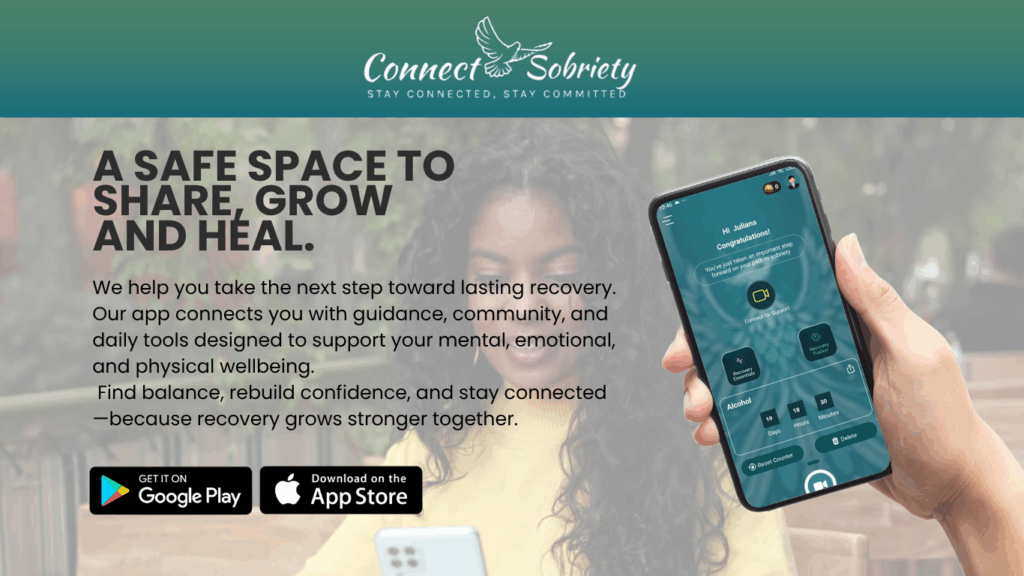
Many people manage these emotionally difficult periods more effectively through supportive recovery systems like the Connect Sobriety app, where individuals can stay emotionally connected, supported, and grounded throughout long-term recovery.
Why Recovery Often Creates Constant Internal Pressure
Many people entering recovery feel intense pressure to completely rebuild their lives as quickly as possible.
For example, someone may feel responsible for fixing relationships, improving finances, rebuilding emotional trust, staying emotionally stable, maintaining sobriety perfectly, and proving to others that they have truly changed.
While these goals are understandable, constantly carrying emotional pressure often becomes mentally exhausting over time.
Many individuals begin feeling like they can never emotionally “let their guard down.”
According to the Substance Abuse and Mental Health Services Administration (SAMHSA), recovery involves long-term emotional wellness, stress management, support systems, and healthier coping strategies.
This means emotional balance remains just as important as responsibility during recovery.
Why Many People Feel Responsible for Everyone Around Them
Some individuals entering recovery become emotionally hyper-responsible after years of instability or damaged trust.
For example, someone may begin constantly trying to help family members emotionally, avoid disappointing others, solve every problem immediately, or maintain emotional peace in every relationship.
At first, this behavior may seem positive.
But over time, many individuals quietly become emotionally exhausted because they never allow themselves emotional rest.
The mind begins feeling constantly alert, emotionally tense, and mentally overloaded.
This emotional pressure becomes even heavier when someone believes they must appear emotionally strong all the time.
How Emotional Suppression Creates Mental Exhaustion
Many people in recovery suppress emotions because they fear appearing emotionally weak, unstable, or vulnerable.
For example, someone may hide stress, anxiety, loneliness, emotional fear, or mental exhaustion behind a calm external appearance.
Over time, emotional suppression quietly increases emotional pressure internally.
The problem is that emotions do not disappear simply because they remain hidden.
Instead, emotional stress often continues building internally until exhaustion becomes overwhelming.
The National Institute of Mental Health (NIMH) explains that emotional wellness often requires healthy emotional awareness, communication, stress management, and supportive coping systems.
This is why emotional honesty becomes extremely important during long-term recovery.
Why Constant Self-Monitoring Becomes Emotionally Draining
Many individuals in recovery constantly monitor their own thoughts, emotions, routines, triggers, and behavior out of fear of making mistakes again.
For example, someone may overanalyze:
• emotional reactions
• stress levels
• relationship conflicts
• recovery progress
• personal habits
• future decisions
At first, self-awareness can help recovery.
But constant emotional self-monitoring without emotional balance often creates mental exhaustion.
Someone may begin feeling emotionally tense even during peaceful periods because the mind never fully relaxes.
How Overthinking Quietly Increases Emotional Burnout
Overthinking often becomes one of the biggest emotional drains during long-term recovery.
For example, someone may constantly think:
“What if I fail again?”
“What if I disappoint everyone?”
“What if I lose the progress I built?”
“Am I doing enough?”
These thought patterns quietly create emotional pressure throughout daily life.
Many individuals mistakenly believe that constant worrying somehow protects them from failure.
In reality, chronic overthinking often increases emotional fatigue, anxiety, and mental exhaustion without improving emotional stability.
Why Recovery Can Feel Emotionally Lonely Sometimes
Many people quietly feel emotionally alone during recovery because they believe others expect them to always appear stable once life improves externally.
For example, someone may appear highly functional outwardly while privately struggling emotionally with stress, exhaustion, pressure, or emotional overwhelm.
Some individuals avoid discussing these struggles because they fear appearing ungrateful for progress or emotionally weak.
Unfortunately, emotional isolation often increases mental exhaustion significantly.
Support systems become extremely important during these periods.
How Healthy Routines Reduce Emotional Exhaustion
Consistent healthy routines often help individuals manage emotional pressure more effectively during long-term recovery.
For example, stable sleep schedules, exercise habits, balanced work routines, hydration, emotional check-ins, supportive communication, mindfulness practices, and healthy boundaries often improve emotional resilience over time.
Small healthy habits quietly reduce emotional overload.
Many individuals strengthen these routines through recovery support available on Connect Sobriety and educational guidance from the Recovery Blog Resources page.
Consistency often helps people feel emotionally more balanced during stressful periods.
Why Emotional Rest Is Necessary During Recovery
Many individuals misunderstand emotional rest.
Emotional rest does not mean giving up on responsibilities or becoming unproductive.
It simply means allowing the mind and body opportunities to recover from constant emotional pressure.
For example, emotional rest may include:
• spending quiet time outdoors
• reducing overstimulation
• improving sleep quality
• journaling honestly
• taking breaks from constant productivity
• having emotionally honest conversations
• practicing mindfulness
These small habits often improve emotional resilience significantly over time.
The Centers for Disease Control and Prevention (CDC) explains that emotional wellness strongly affects mental resilience, stress management, and overall long-term health.
Why Perfectionism Quietly Damages Emotional Stability
Many individuals in recovery unknowingly place unrealistic emotional expectations on themselves.
For example, someone may believe they should:
• never struggle emotionally again
• always stay motivated
• manage stress perfectly
• never disappoint anyone
• always remain emotionally strong
This perfectionism quietly creates emotional exhaustion because no person can maintain constant emotional perfection permanently.
Long-term recovery usually becomes healthier once individuals allow themselves to be human instead of emotionally perfect.
Common Signs Emotional Burnout Is Increasing
Many individuals fail to recognize emotional burnout early because it develops gradually.
Some common warning signs include:
• emotional exhaustion
• irritability
• overthinking
• emotional numbness
• difficulty relaxing
• poor sleep
• emotional isolation
• loss of motivation
• feeling mentally overwhelmed constantly
Recognizing these emotional patterns early often helps people rebuild healthier emotional balance before stress becomes overwhelming.
Why Support Systems Help Recovery Feel More Manageable
Addiction recovery often becomes emotionally healthier when individuals remain connected to supportive environments during stressful emotional periods.
Support systems provide encouragement, perspective, accountability, emotional grounding, and reminders that recovery does not require perfection.
You can learn more about supportive recovery communities through the About Us page or connect directly through the Contact Us page.
Healthy support systems often help individuals feel emotionally safer during long-term recovery challenges.
Moving Forward Without Carrying Everything Alone
Feeling emotionally drained during recovery does not automatically mean someone is failing.
In many cases, it simply means emotional pressure has been carried for too long without enough balance, support, or emotional rest.
Some emotionally difficult seasons will naturally happen.
Some mentally exhausting weeks will still occur.
That does not erase growth.
Long-term recovery is usually strengthened through emotional honesty, supportive connection, healthy routines, balance, patience, and self-awareness over time.
Because healing is not about becoming emotionally perfect every day.
Sometimes healing also means learning that you do not need to carry every emotional burden silently by yourself in order to stay strong.
And over time, many individuals eventually realize that true emotional strength often comes not from constantly holding everything together alone, but from learning when to ask for support before emotional exhaustion becomes overwhelming.