It doesn’t happen in a big moment.
No loud celebration. No sudden feeling of victory.
Just a quiet realization one day… something is different.
You react a little calmer. You think a little more clearly. You pause instead of rushing into old habits.
And for a second, you almost don’t notice it.
This is one of the most powerful moments in addiction recovery — not when everything is perfect, but when you start becoming someone new without even realizing it.
Most people don’t talk about this stage. They focus on the struggle, the pain, the beginning. But this middle phase, where change is happening slowly and quietly, is where real transformation lives.
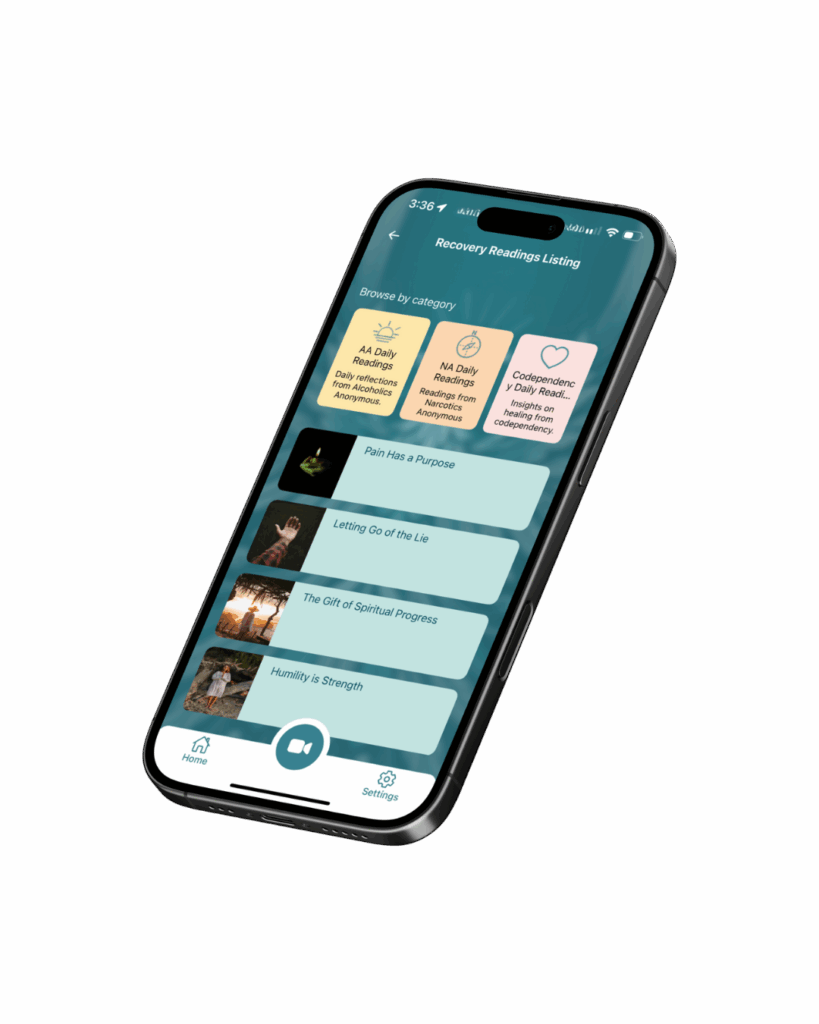
If you stay consistent, these small changes become your new normal. Many people stay connected and aware of their progress through tools like the Connect Sobriety app, which helps track these subtle wins every day.
The Change You Don’t Notice at First
At the beginning of addiction recovery, everything feels intense. You’re aware of every thought, every urge, every emotion.
But as time passes, something shifts.
You stop counting every moment. You stop fighting every second. Things begin to feel… quieter.
And sometimes, that quiet makes people uncomfortable.
They start thinking, “Am I doing enough?” or “Why doesn’t this feel bigger?”
But here’s the truth:
Real change in addiction recovery is not loud.
It’s subtle. It builds slowly.
According to the National Institutes of Health, long-term recovery is based on gradual behavioral changes, not sudden transformation.
That means if things feel calm… You might actually be doing it right.
Small Signs You Are Growing (Even If You Don’t See It)
Let’s make this real.
You might be changing in ways you haven’t even noticed yet.
For example:
You pause before reacting.
You walk away from situations you used to stay in.
You feel uncomfortable… but you don’t escape it.
These are not small things.
These are major shifts.
The American Psychological Association explains that behavioral awareness and emotional control are key indicators of personal growth.
And you might already be doing them.
Why This Stage Feels Confusing
This is where many people get confused.
Because they expect recovery to feel like constant progress.
But instead, it feels… normal.
And normal can feel strange when you’re used to chaos.
For example, someone who lived in constant emotional highs and lows may now feel stable. But that stability can feel unfamiliar.
So they start questioning it.
“Why do I feel nothing?”
“Why does life feel slow?”
This doesn’t mean something is wrong.
It means your life is stabilizing.
You Are Rebuilding, Not Racing
Let’s be honest.
There is no finish line in addiction recovery.
No point where everything suddenly becomes perfect.
What you are doing is rebuilding your life piece by piece.
And rebuilding takes time.
For example, someone who is learning to manage emotions without substances is doing deep internal work. That work may not be visible, but it is powerful.
You can support this process by building structure through Connect Sobriety and exploring tools on the Features page.
Progress is happening — even when it feels slow.
Daily Routine That Strengthens This Growth
This stage of recovery needs consistency more than intensity.
Morning: Start your day calmly, not rushed.
Afternoon: Stay engaged in something meaningful.
Evening: Reflect without judging yourself.
That’s enough.
You’re not trying to prove anything.
You’re trying to stay steady.
Tracking these patterns using the Connect Sobriety app can help you see your growth clearly.
What Most People Miss at This Stage
Here’s something important.
People often miss their own progress because they’re looking for something dramatic.
But recovery is not dramatic.
It’s consistent.
For example, choosing not to react, choosing to stay, choosing to continue — these are quiet decisions.
But they are life-changing.
You can find more real-life insights on the Recovery Blog Resources page.
Sometimes the biggest growth is the hardest to notice.
When Doubt Starts Creeping In
This stage often comes with doubt.
You might think:
“Am I really changing?”
“Is this enough?”
That doubt is normal.
But it doesn’t mean you’re going backward.
The Centers for Disease Control and Prevention highlights that self-doubt is a common part of emotional growth.
The key is not to let that doubt control your actions.
Keep going anyway.
Support Makes This Stage Stronger
You don’t have to figure this out alone.
Sometimes just talking to someone who understands can make everything clearer.
You can reach out through the Contact Us page or learn more about the mission on the About Us page.
Connection keeps your progress grounded.
Common Mistakes at This Stage
One mistake is thinking nothing is happening.
Another is comparing your journey to others.
Some people also stop their routine because things feel “normal.”
This is where progress can slow down.
Consistency matters more than feelings.
Pro Tips to Stay on Track
Keep your routine simple.
Stay aware of small changes.
Don’t rush the process.
These small actions protect your growth.
Emotional Support and Recovery
If you are in this quiet stage, you are not alone. Many people go through this phase and come out stronger.
You can also support recovery efforts and help others who are just starting their journey. Sometimes helping someone else reminds you how far you’ve come.
Moving Forward With Awareness
You don’t need a big moment to prove you’re changing.
You just need to keep going.
Because the truth is…
The person you are becoming is already different.
Even if you haven’t fully seen it yet.