
One of the most common but least discussed struggles in addiction recovery is comparison. Many people enter recovery believing they should be improving faster, feeling stronger, or handling life better than they currently are. Instead of focusing on their own progress, they begin measuring themselves against the lives, routines, and emotional stability of other people.
This comparison often happens quietly. Someone may scroll through social media, listen to another person’s recovery story, or watch others appear emotionally stable and successful. Slowly, unhealthy thoughts begin building internally.
“Why does recovery seem easier for everyone else?”
“Why am I still struggling emotionally?”
“Maybe I’m falling behind.”
Over time, these thoughts create emotional pressure, discouragement, and self-doubt. Instead of feeling motivated, many people begin feeling emotionally exhausted by unrealistic expectations.
The reality is that addiction recovery rarely follows the same timeline for everyone. Each person enters recovery with different emotional experiences, stress levels, relationship histories, support systems, and mental health challenges.
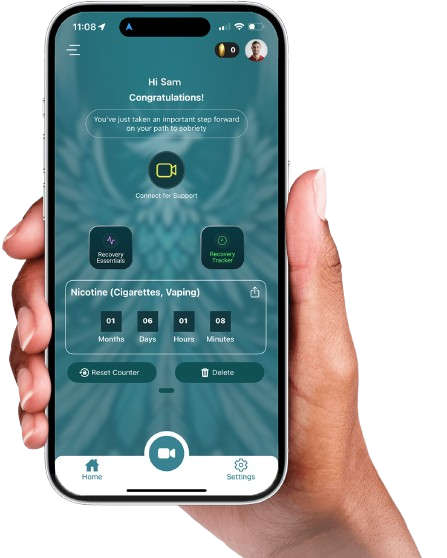
Many individuals manage these emotional pressures more effectively through supportive recovery communities like the Connect Sobriety app, where people can focus on personal growth and emotional support instead of unhealthy comparison.
Why Comparison Becomes So Common During Recovery
Addiction recovery often creates emotional vulnerability, especially during the early stages of rebuilding confidence and stability. During this time, many people naturally begin looking around for reassurance that they are “doing recovery correctly.”
For example, someone may compare their emotional struggles to another person who appears calm and confident. Another individual may compare their personal progress to someone who has been sober longer or seems more socially stable.
The problem is that these comparisons are usually incomplete and unrealistic. Most people only see the visible parts of another person’s recovery. They do not see private stress, emotional setbacks, overthinking, or difficult days happening behind the scenes.
According to the American Psychological Association (APA), constant social comparison can negatively affect emotional well-being, confidence, and mental health.
This becomes especially dangerous during addiction recovery because emotional stability is already being rebuilt gradually.
Recovery Does Not Follow One Timeline
One major misunderstanding about addiction recovery is the belief that progress should happen in a straight line. Many people expect themselves to become emotionally stable quickly and feel discouraged when recovery takes longer than expected.
In reality, recovery is highly personal.
For example, one person may rebuild routines quickly but struggle emotionally for a long time. Another person may experience emotional improvement early but continue facing relationship difficulties or stress management challenges.
The Substance Abuse and Mental Health Services Administration (SAMHSA) explains that recovery is an ongoing process involving emotional, behavioral, mental, and social changes that happen differently for every individual.
This means there is no “perfect” recovery timeline that everyone should match.
How Comparison Quietly Increases Emotional Stress
When people constantly compare themselves to others, they often stop recognizing their own progress. Small improvements become invisible because attention shifts toward what other people appear to be doing better.
For example, someone who has significantly improved emotional awareness may still feel unsuccessful because another person appears more socially confident. Instead of appreciating growth, they focus only on perceived shortcomings.
Over time, comparison creates frustration and emotional exhaustion.
The National Institute of Mental Health (NIMH) explains that chronic stress, self-criticism, and emotional pressure can negatively affect mental wellness and emotional resilience.
This is why unhealthy comparison becomes mentally draining during recovery.
Social Media Often Creates Unrealistic Recovery Expectations
Social media has made comparison even more intense for many people in addiction recovery. Online, people often share highlights of progress while hiding emotional struggles, difficult moments, and setbacks.
For example, someone may post motivational messages, recovery milestones, or positive achievements while privately struggling with anxiety, stress, or emotional exhaustion.
When others see only the polished version, they may wrongly assume everyone else is healing perfectly.
This creates unrealistic expectations and unnecessary emotional pressure.
Healthy recovery requires honesty, not performance.
Why Self-Criticism Slows Emotional Healing
Many individuals believe harsh self-criticism will somehow motivate them to improve faster. In reality, constant self-judgment usually creates emotional fatigue instead of healthy progress.
For example, someone may repeatedly tell themselves:
“I should be stronger by now.”
“I should already have my life together.”
These thoughts increase emotional pressure without improving recovery stability.
The Centers for Disease Control and Prevention (CDC) emphasizes that emotional support, stress management, and healthy coping strategies are important for mental well-being and long-term emotional resilience.
Recovery becomes more stable when people focus on realistic progress instead of constant self-judgment.
How to Focus on Your Own Recovery Journey
One of the healthiest mindset changes during addiction recovery is learning to focus on personal progress instead of external comparison.
This does not mean ignoring growth opportunities or refusing accountability. It simply means recognizing that your recovery process does not need to look identical to someone else’s.
For example, someone may focus on improving emotional honesty, maintaining routines, reducing isolation, or handling stress more calmly. These changes may appear small externally, but they represent meaningful growth internally.
Long-term recovery is usually built through steady improvement rather than dramatic transformation.
Practical Ways to Reduce Comparison During Recovery
Reducing unhealthy comparison often requires intentional mental habits and emotional awareness.
Helpful strategies may include limiting exposure to unrealistic online content, focusing on daily personal goals, maintaining healthy routines, and paying attention to progress that has already been made.
Many individuals strengthen these habits through recovery support systems available on Connect Sobriety and educational guidance from the Recovery Blog Resources page.
Supportive environments often make it easier to stay focused on personal growth instead of unhealthy comparison.
Why Small Progress Still Matters
One dangerous effect of comparison is that people begin dismissing small improvements because they seem “not good enough.”
However, many important recovery changes happen gradually.
For example, sleeping better consistently, managing stress more calmly, rebuilding communication skills, or maintaining healthy routines are all major forms of progress.
These improvements may not feel dramatic every day, but over time, they create long-term emotional stability.
Recovery is rarely transformed overnight. It is strengthened through repeated healthy decisions over time.
Common Mistakes People Make While Comparing Themselves
One common mistake is assuming other people have easier recovery journeys. Another is focusing only on perceived weaknesses instead of recognizing personal growth.
Some individuals also compare their early recovery stages to people who have spent years rebuilding stability. This creates unrealistic emotional expectations.
Another problem is measuring recovery success only through visible achievements instead of emotional growth and stability.
Healthy recovery is not simply about appearance. It is about sustainable emotional and behavioral change.
Support Systems Help People Stay Grounded
Addiction recovery becomes emotionally healthier when people feel supported rather than constantly judged or compared.
You can learn more about supportive recovery environments through the About Us page or reach out directly through the Contact Us page.
Healthy support systems help people stay focused on realistic personal growth instead of unhealthy external pressure.
Moving Forward Without Measuring Yourself Against Everyone Else
Addiction recovery is not a competition.
It is not a race to become emotionally perfect faster than other people.
Every individual enters recovery carrying different experiences, emotional wounds, stress levels, and personal challenges.
This means your progress deserves to be measured against your own past, not someone else’s visible success.
Small improvements still matter.
Emotional growth still matters.
Consistent healthy habits still matter.
Because long-term recovery is usually not built through comparison.
It is built through patience, consistency, self-awareness, and steady personal progress over time.