
There’s a moment in addiction recovery that confuses a lot of people.
You’re staying sober.
You’re following your routine.
You’re avoiding unhealthy habits.
From the outside, everything looks stable.
But internally?
You feel mentally exhausted.
Not lazy.
Not unmotivated.
Just tired.
Tired of constantly thinking.
Tired of constantly managing emotions.
Tired of trying to stay mentally strong every single day.
And then the guilt appears.
“Why do I feel this way if recovery is working?”
This question silently affects many people.
Nobody talks enough about the mental exhaustion that can happen during addiction recovery.
People expect recovery to feel inspiring all the time.
But sometimes recovery feels emotionally heavy before it feels peaceful.
That does not mean you are failing.
It often means your mind is carrying more pressure than you realize.
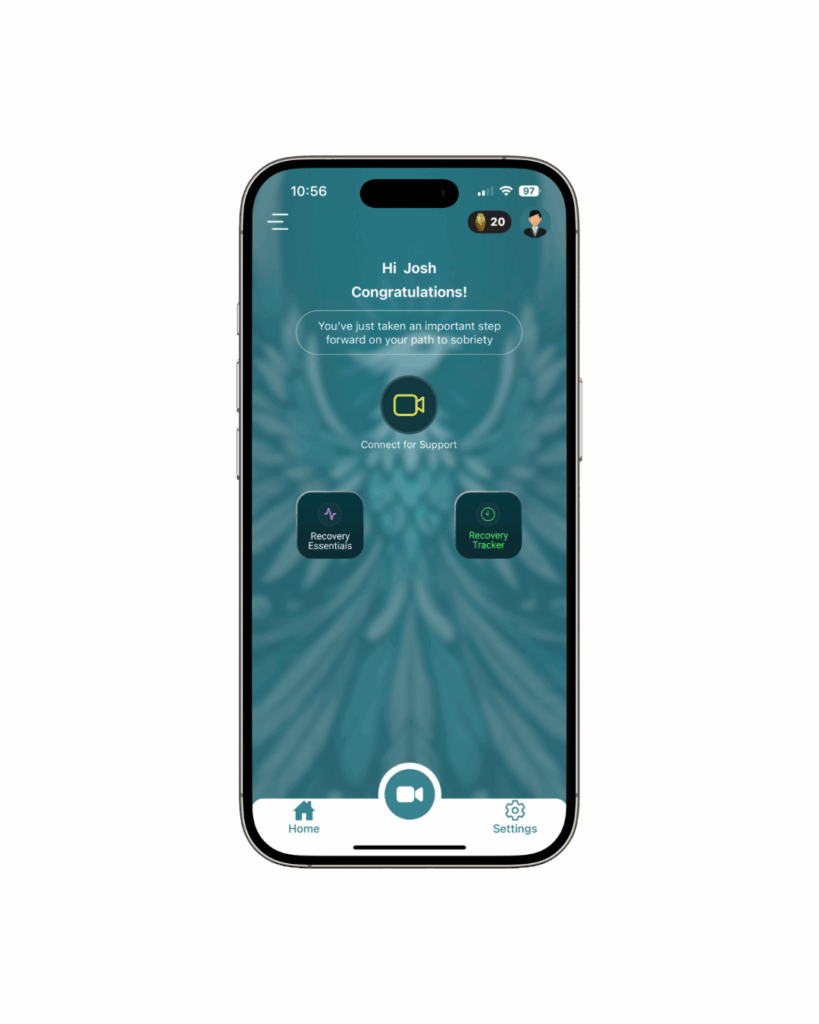
Many people stay emotionally grounded during this phase through the Connect Sobriety app, where they can track emotional patterns, routines, and recovery progress without feeling alone.
Why Mental Exhaustion Happens During Recovery
Let’s be honest.
Addiction recovery requires constant mental effort at first.
You are not only changing behaviors.
You are changing:
- thinking patterns
- daily habits
- emotional responses
- stress management
- coping mechanisms
That takes energy.
A lot of energy.
For example, situations that once triggered automatic reactions now require awareness and self-control.
You pause more.
You think more.
You process emotions directly instead of escaping them.
According to the National Institutes of Health, recovery places significant cognitive and emotional demands on the brain while it adjusts to long-term behavioral changes.
This is why mental exhaustion during recovery is common.
The Exhaustion Most People Never Explain
Many people assume recovery exhaustion only comes from cravings.
But often, the real exhaustion comes from emotional management.
For example:
Holding yourself together during stressful situations.
Trying not to react impulsively.
Managing anxiety quietly.
Overthinking mistakes.
These emotional pressures slowly drain mental energy.
And because recovery already requires awareness, emotional fatigue builds faster than expected.
The American Psychological Association explains that emotional self-regulation requires significant mental energy during periods of personal change.
This is why some people feel emotionally exhausted even when they are “doing everything right.”
The Dangerous Lie People Believe About Exhaustion
This is important.
Many people think:
“If I feel exhausted, I must be failing.”
That mindset creates unnecessary shame.
Mental exhaustion does not automatically mean something is wrong.
Sometimes it simply means:
- You’ve been carrying stress silently
- Your brain is still adjusting
- Your emotional energy is overloaded
For example, someone may stay consistent for weeks while quietly suppressing stress. Eventually, emotional fatigue catches up.
That does not erase their progress.
It means they need support, balance, and a recovery structure.
Why Recovery Feels Harder Mentally Than People Expect
Recovery changes more than behavior.
It changes identity.
And identity change is mentally exhausting.
You are learning how to:
- live differently
- react differently
- cope differently
- think differently
That creates internal pressure.
For example, someone who once escaped emotions must now process them directly.
Someone who once avoided stress must now face it consciously.
This emotional work is invisible to most people.
But internally, it requires constant energy.
The “Always Strong” Pressure Makes Things Worse
This is another hidden problem.
Many people in addiction recovery feel pressure to always appear strong.
They think:
“I should be grateful.”
“I shouldn’t complain.”
“I need to stay positive.”
But pretending emotional exhaustion does not exist only increases pressure.
The National Institute on Drug Abuse highlights that emotional stress and isolation increase recovery vulnerability when people stop communicating honestly.
You do not need to perform recovery perfectly.
You need emotional honesty.
Signs You Might Be Mentally Exhausted in Recovery
Sometimes people do not recognize mental exhaustion until it becomes overwhelming.
Here are common warning signs:
- constant irritability
- emotional numbness
- difficulty concentrating
- loss of motivation
- feeling disconnected
- overthinking small problems
- mental fatigue even after resting
These signs do not mean recovery is failing.
They often mean your emotional energy needs attention.
How to Reduce Mental Exhaustion Without Losing Progress
You do not need to completely restart your life.
You need emotional balance.
Simplify Your Recovery Routine
Some people overload themselves trying to “fix everything” at once.
Keep your structure realistic.
Simple consistency works better than emotional burnout.
You can create a healthier recovery structure through Connect Sobriety and supportive tools on the Features page.
Stop Carrying Stress Silently
One honest conversation can reduce emotional pressure significantly.
Do not wait until exhaustion becomes overwhelming.
Allow Yourself to Rest Without Guilt
This is important.
Rest is not weakness.
Mental recovery requires recovery time, too.
You are rebuilding your life emotionally and mentally.
That takes energy.
Reduce Emotional Isolation
Many people mentally withdraw when exhausted.
That usually increases emotional pressure.
Using the Connect Sobriety app can help you stay connected even during emotionally draining periods.
Daily Routine to Protect Mental Energy
Morning: Avoid starting your day with stress, negativity, or overload.
Afternoon: Take short mental breaks instead of pushing nonstop.
Evening: Reflect honestly instead of mentally attacking yourself.
Small emotional adjustments create long-term stability.
What You Should Never Do During Mental Exhaustion
When emotionally exhausted:
- Do not isolate completely,
- do not abandon your routine entirely,
- do not assume your recovery is failing,
- do not ignore emotional stress
The Centers for Disease Control and Prevention explains that emotional stress management improves long-term mental resilience.
Ignoring exhaustion usually makes it heavier.
A Real Situation Many People Experience
Imagine someone who has stayed sober for months.
Everything looks stable from the outside.
But internally?
They feel mentally drained.
They start questioning themselves:
“Why does this still feel hard?”
But the truth is simple.
They are not failing.
They are emotionally exhausted from carrying too much pressure silently.
Once they begin addressing the exhaustion honestly, things slowly become lighter again.
Support Makes Recovery Feel Lighter
You do not need to carry emotional exhaustion alone.
Support is part of recovery — not a weakness.
You can reach out through the Contact Us page or learn more about emotional healing and recovery support on the About Us page.
Sometimes one honest conversation can reduce pressure more than weeks of silent overthinking.
Moving Forward Without Burning Yourself Out
You are not weak for feeling mentally exhausted.
You are rebuilding your life in ways most people cannot fully see.
That work is emotional.
Mental.
Psychological.
And yes — sometimes exhausting.
But exhaustion does not mean failure.
It means you need balance.
Support.
Rest.
Because long-term recovery is not built through constant pressure.
It is built through steady emotional stability.
And sometimes the strongest thing you can do…
Stop pretending you are not tired.