
Relapse usually does not begin with substances.
That surprises many people.
Most imagine relapse as one sudden decision, one bad moment, or one loss of control.
But in reality, relapse often starts quietly — emotionally and mentally — long before physical actions happen.
This stage is called emotional relapse.
And honestly?
It is one of the most dangerous parts of addiction recovery because many people do not realize it is happening.
Everything may still look normal from the outside.
You are still functioning.
You are still following parts of your routine.
You are still telling people you are okay.
But internally, something starts shifting.
You become emotionally exhausted.
You stop talking honestly.
You slowly disconnect from healthy habits.
And without realizing it, you begin moving closer to relapse emotionally before anything physical ever happens.
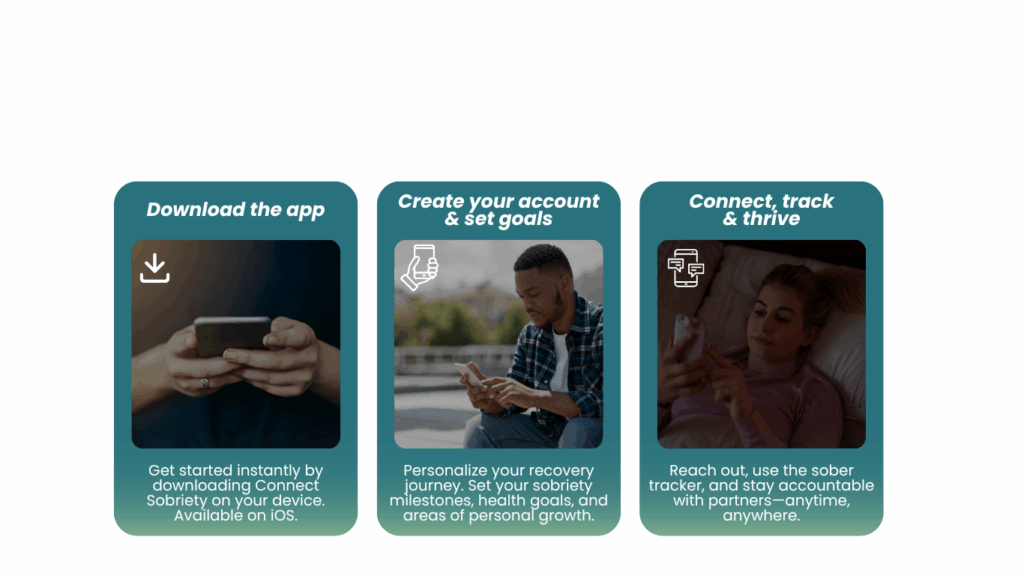
This is why understanding emotional relapse is so important. Many people stay aware of these early warning signs through tools like the Connect Sobriety app, where daily tracking and support help identify emotional patterns before they become dangerous.
What Is Emotional Relapse?
Emotional relapse happens when your emotions, habits, and mindset slowly begin moving away from recovery stability.
You may not even be thinking about substances yet.
That is what makes this stage difficult to recognize.
For example, someone may begin:
- isolating emotionally
- avoiding support
- stopping healthy routines
- ignoring stress
- bottling emotions internally
At first, these behaviors may seem small.
But over time, they create emotional instability.
According to the National Institutes of Health, emotional and mental stress patterns often appear before physical relapse behaviors occur.
This means emotional relapse is not random.
It develops gradually.
Why Emotional Relapse Is So Dangerous
The biggest problem with emotional relapse is that it feels subtle.
There is no dramatic warning sign at first.
Instead, it feels like:
mental exhaustion.
stress.
frustration.
emotional numbness.
Many people mistake these signs for “just having a bad week.”
But if ignored long enough, emotional exhaustion slowly weakens recovery stability.
The National Institute on Drug Abuse explains that emotional stress and isolation significantly increase relapse vulnerability.
This is why awareness matters so much.
The earlier emotional relapse is recognized, the easier it becomes to stop it from growing.
Early Signs of Emotional Relapse
Most people do not notice emotional relapse because the signs feel ordinary at first.
But small changes in behavior often reveal what is happening internally.
You Start Isolating Emotionally
You may still be around people physically, but emotionally, you pull away.
You stop talking honestly.
You stop explaining how you actually feel.
For example, someone may repeatedly say “I’m fine” even when mentally overwhelmed.
This emotional shutdown creates distance between you and your support systems.
Your Routine Slowly Falls Apart
Recovery routines create stability.
When emotional relapse begins, routines often weaken first.
You stop sleeping properly.
You stop exercising.
You stop doing the small habits that kept you grounded.
At first, it may seem harmless.
But structure protects emotional stability more than many people realize.
Stress Starts Building Quietly
Another major sign is unprocessed stress.
For example, problems begin piling up emotionally because you stop addressing them directly.
Instead of processing stress, you carry it silently.
Eventually, emotional pressure becomes overwhelming.
The American Psychological Association highlights that chronic emotional stress reduces mental resilience and decision-making stability.
You Stop Reaching Out for Support
This is one of the clearest warning signs.
People moving toward emotional relapse often withdraw from support systems.
Not because they want help less.
But because they feel emotionally drained, ashamed, or disconnected.
This isolation creates dangerous mental patterns.
You Begin Romanticizing the Past
This sign is subtle but powerful.
Your mind begins remembering old habits in a distorted way.
You focus on temporary comfort while forgetting the damage.
For example, someone may think:
“At least things felt easier back then.”
This mental shift increases emotional vulnerability significantly.
How Emotional Relapse Develops Step by Step
Relapse rarely happens instantly.
It usually follows a pattern.
Emotional Exhaustion
You begin feeling mentally drained.
Isolation
You stop talking honestly about what you feel.
Routine Breakdown
Your healthy structure slowly disappears.
Increased Stress
Pressure builds internally without healthy release.
Mental Relapse
Your thoughts begin moving toward old coping patterns.
Physical Relapse Risk Increases
At this stage, emotional instability becomes dangerous.
Understanding this process creates awareness before things escalate.
Why Awareness Is More Important Than Perfection
Many people think recovery means never struggling emotionally.
That is unrealistic.
The goal is not emotional perfection.
The goal is emotional awareness.
For example, noticing that you are isolating emotionally is already a positive sign.
Why?
Because awareness creates the opportunity to respond differently.
Ignoring emotional changes is what creates danger.
How to Stop Emotional Relapse Early
The earlier you respond, the easier recovery becomes.
Here are practical ways to interrupt emotional relapse before it grows.
1. Rebuild Your Daily Structure
Routine creates emotional stability.
Start simple:
- Wake up consistently
- eat regularly
- move your body daily
- sleep properly
You can rebuild a healthy recovery structure through Connect Sobriety and practical tools on the Features page.
2. Talk Honestly Before Stress Builds
Do not wait until emotions explode.
One honest conversation early can prevent major emotional pressure later.
3. Stay Connected Even When You Want to Withdraw
This is critical.
Isolation increases emotional instability.
Even a small connection matters.
Using the Connect Sobriety app can help you stay engaged and emotionally aware during difficult phases.
4. Pay Attention to Emotional Exhaustion
Many people ignore emotional fatigue until it becomes overwhelming.
Notice the signs early:
- irritability
- mental numbness
- loss of motivation
- withdrawal
Awareness prevents escalation.
Daily Routine to Reduce Emotional Relapse Risk
Morning: Begin your day without immediately entering stress or negativity.
Afternoon: Stay engaged in a healthy structure and meaningful activity.
Evening: Reflect honestly on your emotional state instead of suppressing it.
Small, consistent habits protect long-term recovery stability.
Common Mistakes People Make During Emotional Relapse:
- pretending everything is fine
- isolating emotionally
- stopping healthy routines
- ignoring stress
- avoiding support systems
These behaviors may feel temporary, but over time, they weaken recovery foundations
Support Makes Recovery Stronger
You do not need to handle emotional relapse signs alone.
Sometimes, one honest conversation can completely change your direction.
You can reach out through the Contact Us page or learn more about the recovery mission on the About Us page.
Support is not weakness.
It is protection.
Moving Forward With Awareness
Relapse does not begin in one moment.
It begins quietly.
Emotionally.
Mentally.
And that is exactly why awareness matters.
The earlier you notice emotional changes, the easier it becomes to protect your recovery.
You do not need perfection.
You need honesty.
You need awareness.
You need support.
Because emotional relapse loses power the moment you stop ignoring it.