
One emotional challenge that often surprises people during addiction recovery is feeling uncomfortable when life finally begins improving. Many individuals expect positive changes to bring immediate happiness, confidence, and peace. However, recovery often creates a different experience.
For example, someone may achieve several months of sobriety, rebuild relationships, improve financial stability, strengthen emotional health, and establish healthy routines. Yet instead of feeling completely relaxed, they may experience unexpected anxiety, discomfort, or fear.
This reaction often feels confusing.
Many individuals wonder:
“Why do I feel nervous when things are going well?”
“Why can’t I simply enjoy my progress?”
“Why am I waiting for something bad to happen?”
“Why does success sometimes make me uncomfortable?”
These emotional experiences are far more common than many people realize.
Many individuals assume discomfort means something is wrong. In reality, it often means the mind is adjusting to a healthier life after spending years adapting to instability, stress, or addiction.
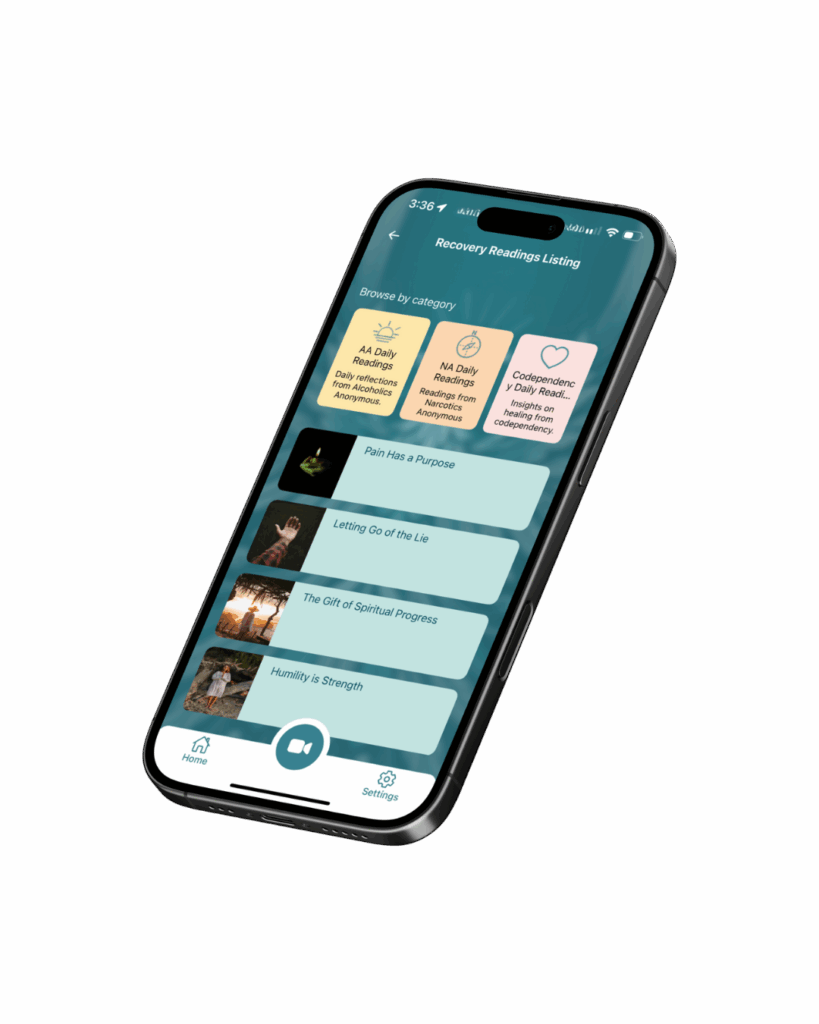
Many people navigate these emotional challenges more successfully through supportive recovery tools like the Connect Sobriety app, which helps individuals stay accountable, recognize progress, and maintain healthy recovery habits.
Why Stability Can Feel Unfamiliar
For many individuals, addiction created years of unpredictability, emotional highs and lows, financial stress, relationship conflict, and constant uncertainty.
Over time, the brain adapts to these patterns.
Even though these experiences are painful, they become familiar.
When recovery introduces stability, healthy routines, and emotional balance, the experience may initially feel strange.
For example, someone who spent years dealing with daily crises may not know how to respond when life becomes calmer.
The absence of chaos can feel unfamiliar.
According to the Substance Abuse and Mental Health Services Administration (SAMHSA), recovery involves creating a healthier and more stable life over time. Adjusting to that stability is often part of the healing process.
How The Brain Learns To Expect Problems
Many individuals unknowingly develop a habit of expecting problems.
For example, after experiencing repeated disappointments, setbacks, or crises, the mind may begin constantly searching for potential threats.
This protective response develops because the brain wants to avoid future pain.
As a result, even positive experiences can trigger thoughts such as:
“This won’t last.”
“Something bad is going to happen.”
“I shouldn’t get my hopes up.”
“Things are going too well.”
Although these thoughts may feel realistic, they often prevent people from fully enjoying their progress.
Why Success Sometimes Creates Anxiety
Many individuals assume anxiety only appears during difficult situations.
However, success can also create anxiety.
For example, rebuilding trust with family members, achieving sobriety milestones, improving health, or advancing professionally may create new responsibilities and expectations.
Someone may begin worrying:
“What if I lose this?”
“What if I disappoint people again?”
“What if I can’t maintain this progress?”
The more valuable something becomes, the more afraid people sometimes feel about losing it.
This fear often reflects how much the achievement matters rather than a lack of confidence.
How Past Experiences Influence Present Emotions
Past experiences often continue affecting emotional reactions long after circumstances improve.
For example, someone who experienced repeated setbacks during addiction may struggle believing that positive changes can actually last.
Even when recovery is going well, emotional memories from previous hardships may remain active.
The mind continues operating as if danger is still present.
This emotional pattern can make healthy situations feel surprisingly uncomfortable.
The National Institute of Mental Health (NIMH) explains that emotional wellness often develops gradually as individuals build healthier coping skills and thought patterns.
Trusting positive experiences often requires time and repetition.
Why People Sometimes Sabotage Progress
One of the most misunderstood recovery challenges is self-sabotage.
For example, someone may begin skipping healthy routines, avoiding support meetings, creating unnecessary conflict, or neglecting self-care when life starts improving.
This behavior often appears irrational.
However, many individuals unconsciously return to familiar patterns because familiarity feels safer than uncertainty.
Even healthy change can feel uncomfortable when it is new.
Recognizing this pattern often helps people make healthier decisions during periods of growth.
How Comparison Makes Positive Progress Feel Smaller
Many individuals struggle to enjoy their achievements because they compare themselves to others.
For example, someone may reach six months of sobriety but immediately compare themselves to someone with five years of recovery.
Others may compare careers, finances, relationships, or personal accomplishments.
These comparisons often reduce satisfaction and confidence.
The reality is that every recovery journey is unique.
Progress remains valuable regardless of someone else’s timeline.
Why Gratitude Supports Emotional Healing
One of the most effective ways to become more comfortable with positive change is through gratitude.
Gratitude encourages individuals to focus on:
• current progress
• healthy relationships
• improved emotional stability
• personal growth
• recovery achievements
• daily opportunities
This practice helps shift attention away from fear and toward appreciation.
Over time, gratitude often strengthens emotional resilience and optimism.
How Healthy Routines Create Confidence
Confidence often develops when individuals consistently maintain healthy habits.
For example:
• attending recovery meetings
• exercising regularly
• practicing mindfulness
• maintaining healthy sleep schedules
• journaling
• building supportive relationships
These habits provide stability during both good and challenging periods.
Many individuals strengthen these routines through recovery support available on Connect Sobriety and educational guidance from the Recovery Blog Resources page.
Consistent habits often help individuals trust their progress more fully.
Why Celebrating Wins Is Important
Many people in recovery become so focused on future goals that they fail to recognize current achievements.
For example, someone may overlook:
• maintaining sobriety
• improving communication
• healthier coping skills
• emotional growth
• stronger boundaries
• better physical health
Celebrating these wins helps reinforce positive behavior and build confidence.
Progress deserves recognition regardless of how small it may seem.
How Support Systems Reduce Fear
Supportive relationships often help individuals feel safer when life improves.
Friends, family members, recovery groups, and mentors can provide reassurance during periods of uncertainty.
Support systems often remind people that growth is possible and that setbacks do not erase progress.
The Centers for Disease Control and Prevention (CDC) highlights the importance of social connection for emotional well-being and resilience.
Recovery often feels more manageable when individuals remain connected to supportive communities.
Common Signs Someone Feels Uncomfortable With Success
Some common signs include:
• fear of future setbacks
• difficulty enjoying accomplishments
• expecting problems constantly
• self-sabotaging behaviors
• excessive worry
• discomfort during stable periods
• minimizing achievements
• avoiding positive attention
Recognizing these patterns often helps individuals understand their emotional responses more clearly.
Moving Forward By Accepting Positive Change
Learning to feel comfortable with success takes time.
For many individuals, recovery involves more than stopping harmful behaviors. It also involves learning how to live peacefully when life improves.
Some discomfort may appear occasionally.
Some fears may still surface during periods of growth.
That does not mean something is wrong.
Long-term recovery is usually strengthened through patience, emotional awareness, healthy routines, supportive relationships, gratitude, and consistent self-care.
Because healing is not only about surviving difficult times.
It is also about learning how to embrace healthier times without fear.
And over time, many individuals discover that the stability they once found uncomfortable eventually becomes the foundation of a healthier and more fulfilling life.