
One of the most confusing experiences during addiction recovery is feeling mentally exhausted despite doing everything correctly. Many individuals work hard to maintain sobriety, follow healthy routines, attend support meetings, improve relationships, manage responsibilities, and focus on personal growth. Yet they still find themselves feeling emotionally drained and mentally tired.
This often creates frustration because people expect positive habits to automatically create endless motivation and energy.
For example, someone may maintain sobriety, exercise regularly, attend recovery meetings, improve sleep habits, and stay committed to personal growth. However, they still feel mentally exhausted at the end of most days.
Many individuals begin asking themselves:
“Why am I so tired all the time?”
“Am I doing something wrong?”
“Shouldn’t recovery feel easier by now?”
“Why do I feel emotionally drained even though I’m making progress?”
These experiences are extremely common during long-term recovery.
Many individuals assume mental exhaustion means they are failing. In reality, it often reflects the emotional and psychological effort required to maintain healthy change over time.
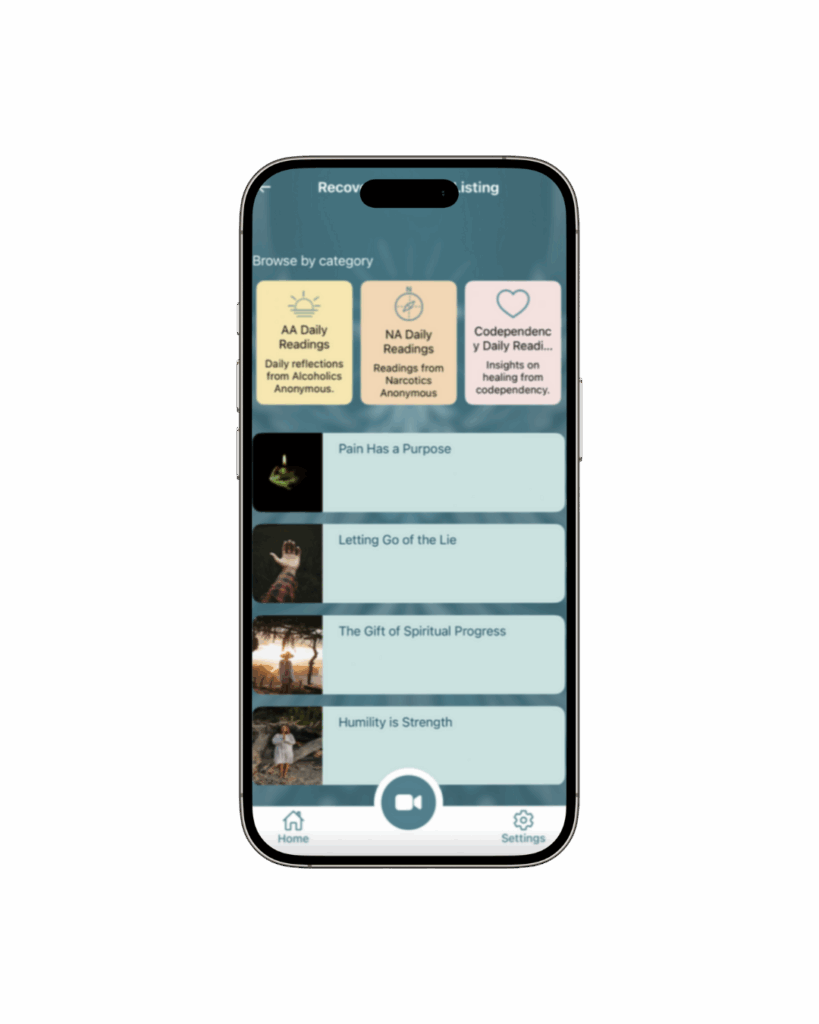
Many people manage these challenges more effectively through supportive recovery tools like the Connect Sobriety app, which helps individuals stay accountable, organized, and connected throughout recovery.
Why Recovery Requires Constant Mental Energy
Many people underestimate how much mental effort recovery requires.
During active addiction, unhealthy habits often become automatic. Recovery, however, requires conscious decision-making every day.
For example, individuals may regularly focus on:
• managing triggers
• handling stress
• making healthy choices
• maintaining routines
• repairing relationships
• regulating emotions
• avoiding relapse risks
Each of these activities requires mental energy.
Even when recovery is going well, maintaining positive habits can feel demanding because the brain is continuously adapting to healthier patterns.
According to the Substance Abuse and Mental Health Services Administration (SAMHSA), recovery is an ongoing process involving health, wellness, self-direction, and personal growth.
This process naturally requires effort and adjustment.
How Emotional Healing Creates Fatigue
Many individuals focus on physical recovery while overlooking emotional recovery.
For example, someone may spend years avoiding difficult emotions through substance use. Once recovery begins, those emotions often require attention.
People may need to process:
• regret
• grief
• guilt
• anxiety
• relationship conflicts
• personal disappointments
Emotional healing can be exhausting because it requires honesty, reflection, and vulnerability.
This emotional work often occurs beneath the surface, even when life appears stable externally.
Why Constant Self-Improvement Can Become Draining
Many individuals in recovery become highly focused on self-improvement.
For example, someone may constantly work on:
• becoming healthier
• improving finances
• rebuilding trust
• strengthening relationships
• developing discipline
• improving mental health
While these goals are positive, continuously striving for improvement can become emotionally exhausting.
Some individuals begin feeling as though they are always working on themselves without allowing time to appreciate their progress.
This often contributes to mental fatigue.
How Stress Continues Even During Recovery
Recovery does not eliminate life’s challenges.
People still experience:
• work pressures
• financial responsibilities
• family obligations
• health concerns
• unexpected setbacks
• relationship difficulties
The difference is that individuals now face these challenges without relying on unhealthy coping methods.
While this is healthier, it can initially feel more demanding because new coping skills are still developing.
The National Institute of Mental Health (NIMH) explains that emotional wellness often depends on healthy coping strategies, stress management, and supportive habits.
Developing these skills takes time and effort.
Why Progress Sometimes Feels Invisible
One reason people become mentally exhausted is that they fail to recognize their progress.
For example, someone may focus entirely on remaining challenges while ignoring improvements such as:
• increased emotional stability
• healthier communication
• improved relationships
• stronger boundaries
• better physical health
• greater self-awareness
Because these changes often happen gradually, individuals may overlook them completely.
This creates the feeling of working extremely hard without seeing meaningful results.
How Perfectionism Contributes To Burnout
Many people unknowingly create unrealistic expectations during recovery.
For example, they may believe they should:
• never feel discouraged
• always stay motivated
• handle stress perfectly
• never make mistakes
• recover quickly
These expectations create constant pressure.
When reality fails to match perfectionistic standards, frustration and exhaustion often follow.
Recovery becomes healthier when individuals focus on progress instead of perfection.
Why Rest Is An Important Part Of Recovery
Many individuals treat rest as something they must earn.
For example, someone may believe they should only relax after every goal is accomplished or every problem is solved.
Unfortunately, this mindset often leads to burnout.
Recovery requires recovery time.
Healthy rest may include:
• quality sleep
• relaxation
• hobbies
• mindfulness
• spending time outdoors
• healthy social activities
Rest helps restore emotional energy and improve resilience.
How Healthy Routines Support Mental Wellness
Consistent habits often reduce mental fatigue significantly.
For example:
• regular exercise
• balanced nutrition
• hydration
• journaling
• mindfulness practices
• recovery meetings
• healthy boundaries
These habits create stability and reduce unnecessary stress.
Many individuals strengthen these routines through recovery support available on Connect Sobriety and educational guidance from the Recovery Blog Resources page.
Small daily habits often produce significant long-term benefits.
Why Self-Compassion Matters
Many individuals speak to themselves more harshly than they would ever speak to someone they care about.
For example, they may criticize themselves for feeling tired, discouraged, or overwhelmed.
Self-compassion helps reduce unnecessary emotional pressure.
It allows individuals to acknowledge challenges without turning them into personal failures.
Being tired does not mean someone is weak.
Sometimes it simply means they have been carrying a great deal of responsibility.
Why Support Systems Reduce Emotional Fatigue
Supportive relationships often play a major role in emotional recovery.
Friends, family members, recovery groups, mentors, and supportive communities provide encouragement and perspective.
Support systems help individuals feel less alone during difficult periods.
The Centers for Disease Control and Prevention (CDC) emphasizes the importance of social connection for emotional well-being and resilience.
Recovery often becomes easier when challenges are shared rather than carried alone.
Common Signs Of Mental Exhaustion During Recovery
Some common signs include:
• constant fatigue
• emotional overwhelm
• reduced motivation
• difficulty concentrating
• irritability
• feeling discouraged
• loss of enjoyment
• increased stress
Recognizing these signs early often helps individuals respond with healthier coping strategies.
Moving Forward Without Feeling Guilty About Being Tired
Mental exhaustion during recovery does not mean something is wrong.
It often means significant growth is taking place.
Healing requires energy.
Change requires effort.
Growth requires patience.
Some days will feel easier than others.
Some periods may feel emotionally demanding.
That does not erase progress.
Long-term recovery is usually strengthened through balance, self-awareness, healthy routines, supportive relationships, self-compassion, and realistic expectations.
Because recovery is not about constantly pushing harder.
It is also about learning when to rest, recharge, and recognize how far you have already come.
And over time, many individuals discover that the mental exhaustion they once feared was often evidence of how much healing and growth were already taking place beneath the surface.