
You’re doing the work.
You’re staying away from old habits.
You’re trying to follow a routine.
But somehow… it feels like nothing is changing.
This is one of the most frustrating parts of addiction recovery.
Not the beginning. Not the hardest days.
But the days when you feel stuck.
No clear progress. No big improvement. Just repetition.
And slowly, a thought starts to build:
“Is this even working?”
Let’s be real — this phase can make people question everything.
But here’s what you need to understand:
Feeling stuck in addiction recovery does not mean you are not progressing.
It often means you are in the stage where real change is happening quietly.
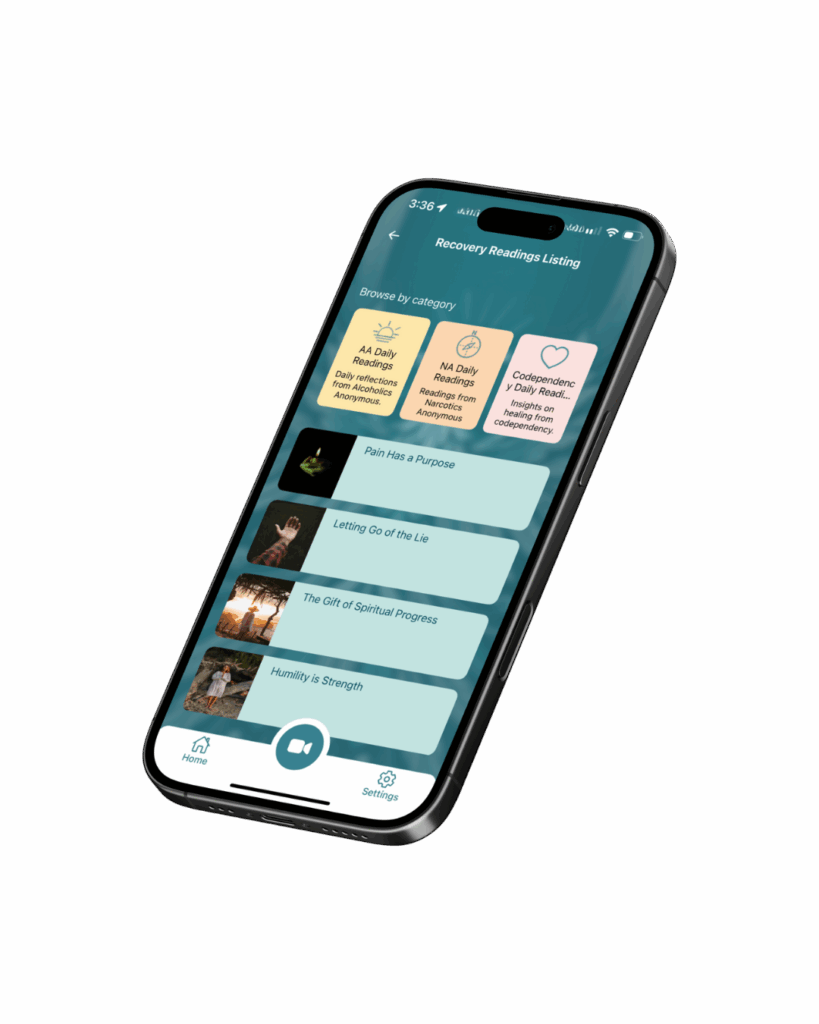
During this phase, staying connected and consistent is critical. Many people use the Connect Sobriety app to stay grounded and remind themselves that progress is still happening.
The Stage Nobody Talks About
Most people talk about two parts of recovery:
The beginning — when everything is intense.
The success — when everything feels better.
But there’s a middle stage.
The quiet stage.
The stage where nothing feels dramatic.
This is where most people feel stuck.
According to the National Institutes of Health, long-term recovery involves gradual behavioral changes that may not feel noticeable day to day.
That means your progress might be happening… without you feeling it.
Why You Feel Like Nothing Is Changing
Let’s break it down honestly.
Your brain is used to fast results.
During addiction, everything was immediate. Quick relief. Quick escape.
Now, recovery is the opposite.
Slow change. Gradual improvement. Delayed results.
That contrast creates frustration.
For example, someone might follow a routine for weeks but not feel “better” yet. That can feel discouraging.
The National Institute on Drug Abuse explains that the brain takes time to heal and rebalance after addiction.
So while you feel stuck… your brain is actually adjusting.
This Is Where Most People Lose Patience
This phase is dangerous — not because of what is happening…
But because of how it feels.
When people don’t see progress, they start questioning their effort.
They think:
“Maybe this isn’t working.”
“Maybe I’m not improving.”
And slowly, they lose consistency.
Not all at once.
Just a little less effort each day.
This is how progress quietly disappears.
Not because it failed — but because it was misunderstood.
What Progress Actually Looks Like
Let’s shift your perspective.
Progress in addiction recovery is not always obvious.
Sometimes it looks like:
Pausing instead of reacting.
Thinking before acting.
Feeling uncomfortable… but staying anyway.
These are not small changes.
These are major shifts.
The American Psychological Association highlights that emotional control and awareness are key signs of personal growth.
And you might already be doing these things.
How to Move Forward When You Feel Stuck
You don’t need a new plan.
You need consistency.
This is where most people overthink.
They try to change everything when they feel stuck.
But the truth is:
You don’t need to do more.
You need to keep doing what works.
For example, someone who sticks to their routine even when it feels repetitive is building long-term stability.
You can strengthen your routine using tools from Connect Sobriety and follow structured guidance on the Features page.
Progress is built through repetition.
Daily Routine for “Stuck” Days
Morning: Start your day, even if you don’t feel motivated.
Afternoon: Stay engaged in something productive.
Evening: Reflect without judging yourself.
That’s enough.
You don’t need a perfect day.
You need a consistent one.
Using the Connect Sobriety app can help you stay accountable during this phase.
What You Should Avoid Right Now
When you feel stuck:
Don’t compare your progress to others.
Don’t assume nothing is happening.
Don’t quit your routine.
The Centers for Disease Control and Prevention highlights that negative thinking patterns can affect mental stability.
Your thoughts are not always accurate.
Your effort still matters.
A Real Example You Might Relate To
Imagine someone who has been consistent for weeks.
Then one day, they feel nothing.
No progress. No improvement.
They think they are stuck.
But they continue anyway.
And slowly… things start to shift.
Not suddenly.
Gradually.
Because they didn’t stop.
Support Keeps You Grounded
This is not a phase you should go through alone.
Sometimes you need someone to remind you that you are still moving forward.
You can reach out through the Contact Us page or learn more about the mission on the About Us page.
Staying connected keeps your progress steady.
Common Mistakes in This Phase
One mistake is thinking progress should feel obvious.
Another is changing your routine too quickly.
Some people also stop trying because they feel stuck.
This is where growth slows down.
Consistency matters more than feeling.
Pro Tips to Break Through the “Stuck” Feeling
Keep your routine simple.
Focus on small actions.
Trust the process.
These small steps create long-term change.
Emotional Support and Recovery
If you feel stuck right now, you are not alone. Many people go through this stage and come out stronger.
You can also support recovery efforts and help others who feel the same way. Sometimes helping someone else reminds you that your journey matters.
Moving Forward Even When It Feels Slow
You are not stuck.
You are building something that takes time.
And the hardest part about that?
It doesn’t always feel like progress.
But it is.
Stay consistent.
Stay patient.
Because the people who succeed in addiction recovery are not the ones who always see progress…
They are the ones who keep going… even when they don’t.