No one warns you about this part.
Not the cravings. Not the withdrawal. Not even the emotional waves.
The quiet… empty… boring moments.
You’re not struggling. You’re not in crisis. You’re just… bored.
And strangely, that boredom can feel more dangerous than anything else.
You sit there thinking:
“Now what?”
“Is this what life is supposed to feel like?”
This is where many people get caught off guard in addiction recovery.
Because boredom doesn’t feel like a threat — but it slowly becomes one if you don’t understand it.
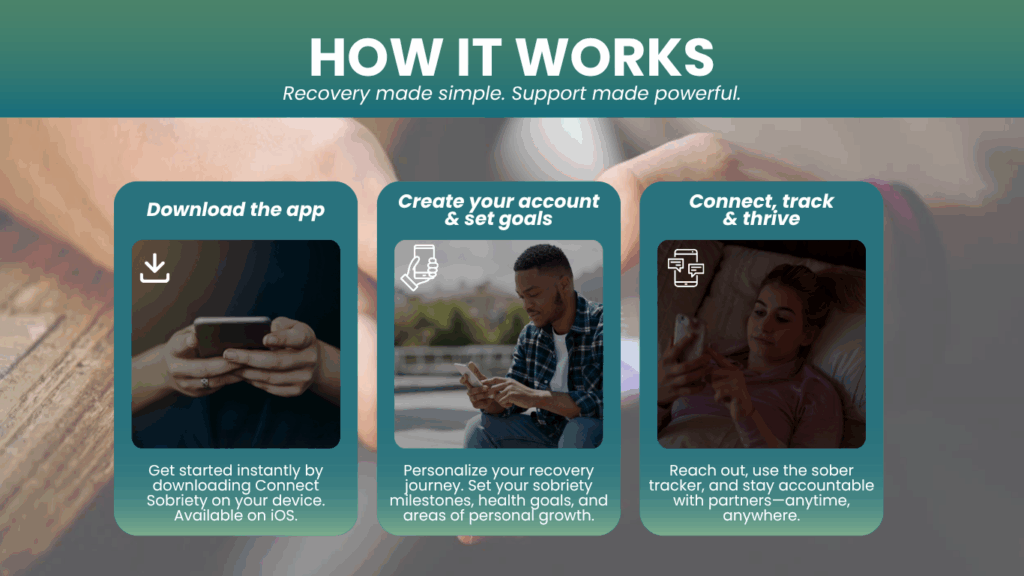
During these moments, staying connected can make a difference. Many people use the Connect Sobriety app to stay engaged and avoid falling into empty patterns.
Why Boredom Feels So Intense Now
Let’s be real.
Your brain used to be stimulated all the time.
Fast emotions. Quick highs. Constant activity.
Now everything is slower.
Quieter.
More stable.
And that stability can feel like boredom.
According to the National Institutes of Health, the brain’s reward system takes time to adjust after addiction.
That means normal life can feel less exciting for a while.
It’s not because life is boring.
It’s because your brain is recalibrating.
This Is Where People Slip Without Realizing
Boredom doesn’t push you back instantly.
It works slowly.
It starts with thoughts like:
“Nothing to do.”
“This feels pointless.”
Then those thoughts turn into restlessness.
And restlessness turns into risky decisions.
The National Institute on Drug Abuse explains that boredom is a common trigger in addiction recovery.
Not because it’s strong…
But because it’s constant.
Let’s Be Honest
This might sound surprising.
But most of the time, you’re not bored.
You’re under-stimulated.
There’s a difference.
Boredom is not about having nothing to do.
It’s about not feeling engaged.
For example, someone might have free time but no structure. That creates mental emptiness.
Without structure, the mind starts looking for something — anything — to fill the gap.
What Your Brain Is Really Asking For
Your brain is not asking for chaos again.
It’s asking for engagement.
Something meaningful.
Something active.
For example, instead of sitting idle, you could:
Go for a walk.
Learn something new.
Talk to someone.
These are simple actions.
But they give your mind direction.
You can explore structured ways to stay engaged through Connect Sobriety and find practical ideas on the Recovery Blog Resources page.
Building a Life That Doesn’t Feel Empty
This is the part that takes effort.
You don’t get rid of boredom by waiting.
You remove it by building a life that keeps you involved.
For example, someone who schedules their day with simple activities feels more engaged than someone who leaves the day open.
You can build this structure using tools from the Features page and explore guidance on the Landing Page.
Structure creates engagement.
Daily Routine to Handle Boredom
Morning: Start your day with purpose, not scrolling.
Afternoon: Stay active — even if it’s something small.
Evening: Reflect instead of zoning out.
This routine doesn’t need to be perfect.
It just needs to exist.
Tracking your consistency through the Connect Sobriety app can help you stay engaged.
What You Should Avoid During Bored Moments
When boredom hits:
Don’t isolate yourself.
Don’t fall into endless scrolling.
Don’t go back to old environments.
The Centers for Disease Control and Prevention highlights that passive habits can increase mental fatigue and emotional stress.
Boredom grows when you stay inactive.
Movement breaks it.
A Situation You Might Recognize
Imagine someone sitting at home.
Nothing urgent. Nothing stressful.
Just silence.
They feel restless.
They think something is missing.
But instead of acting, they stay stuck.
That’s where boredom grows.
Now imagine the same person taking a short walk.
Calling someone.
Doing one small task.
Same situation.
Different outcome.
Support Makes a Difference Here
This is not something you need to handle alone.
Sometimes just having someone to talk to can break that empty feeling.
You can reach out through the Contact Us page or learn more about the mission on the About Us page.
Connection brings energy back into your day.
Common Mistakes People Make
One mistake is ignoring boredom.
Another is thinking it will pass on its own.
Some people also fall back into old habits to feel something.
This is where risk increases.
Boredom needs action, not waiting.
Pro Tips to Handle Boredom Effectively
Keep your day structured.
Stay active, even in small ways.
Choose engagement over distraction.
These small steps protect your recovery.
Emotional Support and Recovery
If you are feeling bored and disconnected, you are not alone. This is a common phase in addiction recovery.
You can also support recovery efforts and help others who feel the same way. Sometimes helping someone else brings meaning back into your own journey.
Moving Forward Without Falling Back
Boredom is not your enemy.
But ignoring it can be.
This is your chance to build a life that feels real.
Not fast.
Not intense.
But meaningful.
Stay active.
Stay aware.
Because the life you are building right now…
Is the one that will keep you free.