
Nobody likes talking about anger in addiction recovery.
People are comfortable discussing cravings.
They talk about healing.
They talk about motivation and positivity.
But anger?
That part usually stays hidden.
And honestly, that silence creates a problem.
Because many people in addiction recovery suddenly find themselves getting irritated more easily.
Small things feel bigger.
Conversations feel heavier.
Even tiny frustrations can create emotional explosions.
And then comes the guilt.
“Why am I so angry?”
“I thought recovery was supposed to make me feel better.”
This is one of the most misunderstood emotional phases of recovery.
The anger is not random.
And it does not mean you are failing.
It often means your mind is adjusting to a completely different way of living.
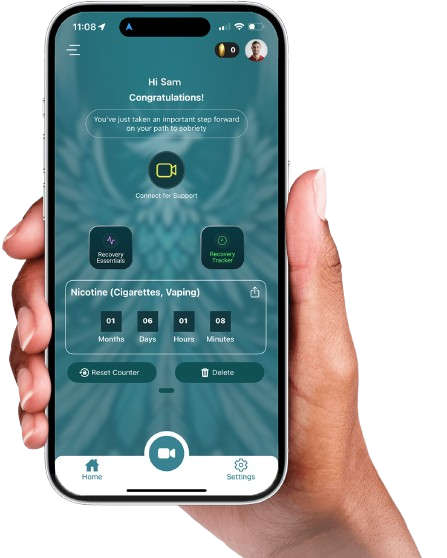
Many people stay emotionally aware during this phase through the Connect Sobriety app, where they can track emotional patterns and stay connected during difficult mental shifts.
Why Anger Feels Stronger During Addiction Recovery
Let’s be honest.
Before recovery, emotions were often numbed, avoided, or escaped.
Now they are fully present.
And that changes everything.
For example, stress that once got ignored now feels immediate.
Frustration that once got buried now feels intense.
Your mind suddenly has to process emotions directly instead of escaping them.
According to the National Institutes of Health, emotional regulation takes time to stabilize during addiction recovery because the brain is adjusting to major behavioral changes.
In simple words?
Your emotions are louder right now because your brain is relearning balance.
The Hidden Truth Behind Recovery Anger
Most anger during recovery is not actually about the small situation happening in front of you.
It’s deeper than that.
Sometimes the anger comes from:
Regret.
Pressure.
Fear.
Emotional exhaustion.
But instead of feeling those vulnerable emotions directly, the brain expresses them as irritation.
For example, someone may snap during a simple conversation — not because of the conversation itself, but because they are mentally overwhelmed underneath.
The American Psychological Association explains that emotional overload often appears as anger during periods of major personal change.
This is why understanding your anger matters.
Not judging it.
This Is the Part Most People Misunderstand
Many people think:
“If I’m angry, something must be wrong.”
But emotions are not proof of failure.
They are information.
Anger is often your mind saying:
“I’m overwhelmed.”
“I’m exhausted.”
“I don’t know how to process this yet.”
That does not excuse harmful behavior.
But it explains why emotions feel intense during recovery.
Understanding this creates emotional awareness instead of emotional panic.
Why Small Things Suddenly Feel Huge
This part surprises many people.
During addiction recovery, emotional tolerance can feel lower at first.
Small inconveniences suddenly feel massive.
For example:
A delayed message.
A stressful conversation.
A minor disagreement.
These situations may trigger reactions that feel stronger than expected.
Why?
Because your nervous system is still adjusting.
The National Institute on Drug Abuse highlights that stress sensitivity often increases during recovery adjustment periods.
This is temporary.
But awareness is necessary.
The Dangerous Mistake People Make With Anger
This is important.
Many people either:
Explode emotionally.
Or completely suppress everything.
Neither approach works long-term.
Suppressing emotions creates pressure.
Exploding emotions damage stability.
The goal is not emotional perfection.
The goal is emotional awareness.
For example, instead of reacting instantly, you learn to pause.
You notice the emotion before acting on it.
That small pause changes everything.
How to Handle Anger Without Losing Control
You do not need complicated strategies.
You need space between emotion and reaction.
For example:
Step away for a moment.
Breathe before speaking.
Move your body instead of staying trapped in the emotion.
These things sound simple.
But they reduce emotional intensity significantly.
You can strengthen emotional control using tools from Connect Sobriety and supportive guidance on the Recovery Blog Resources page.
Daily Routine to Reduce Emotional Overload
Most emotional explosions happen when your mind is already exhausted.
This is why structure matters.
Morning: Start calmly instead of immediately entering stress.
Afternoon: Take short mental breaks during overwhelming moments.
Evening: Reflect honestly instead of bottling emotions all day.
This creates emotional balance over time.
Tracking emotional patterns through the Connect Sobriety app can help you recognize what triggers emotional overload.
What You Should Never Assume About Anger
Feeling angry does not mean you are becoming a bad person.
It does not mean recovery is failing.
And it definitely does not mean you should give up.
The Centers for Disease Control and Prevention explains that emotional awareness and stress management improve mental resilience over time.
Anger becomes dangerous when ignored — not when understood.
A Real Situation You Might Recognize
Imagine someone in recovery having a stressful day.
They feel mentally exhausted.
Then one small inconvenience happens.
Suddenly, they feel overwhelming irritation.
Immediately, guilt appears.
“Why am I acting like this?”
But the real issue was not the small inconvenience.
The real issue was emotional overload, building all day quietly.
That awareness changes the response completely.
Why Emotional Honesty Matters So Much
Many people hide anger because they fear judgment.
But hidden emotions do not disappear.
They build pressure internally.
This is why honest emotional conversations matter.
You can reach out through the Contact Us page or learn more about emotional recovery support on the About Us page.
Talking honestly about emotions reduces emotional isolation.
Common Mistakes People Make With Recovery Anger
One mistake is suppressing emotions completely.
Another is reacting instantly without awareness.
Some people also believe anger means they are not healing.
That mindset creates unnecessary shame.
Emotions are part of healing.
Learning how to manage them is growth.
Pro Tips for Staying Emotionally Stable
Pause before reacting.
Pay attention to emotional exhaustion.
Do not ignore stress until it explodes.
Awareness protects your recovery.
Emotional Support and Recovery
If you feel emotionally irritated or overwhelmed during addiction recovery, you are not alone.
Many people silently go through this exact phase while rebuilding emotional balance.
You can also support others who are struggling emotionally. Sometimes understanding someone’s anger instead of judging it can completely change their healing process.
Moving Forward Without Fear of Your Emotions
You are not “too angry.”
You are adjusting.
You are learning how to feel emotions directly instead of escaping them.
And yes — that process feels messy sometimes.
But messy does not mean broken.
It means human.
Stay aware.
Stay patient.
Because the emotional control you are building right now…
Will eventually become emotional peace.