
Rebuilding your life in addiction recovery is one of the most powerful and meaningful journeys you can take. Recovery is not just about leaving substances behind — it is about creating a new life that feels stable, fulfilling, and worth living. Many people struggle after quitting because they don’t know what comes next. Without direction, it becomes easy to feel lost or fall back into old habits.
In addiction recovery, you are not just breaking a habit — you are building a completely new way of living. This can feel overwhelming at first, but it is also an opportunity. You have the chance to redefine who you are, what you want, and how you want to live your life moving forward.
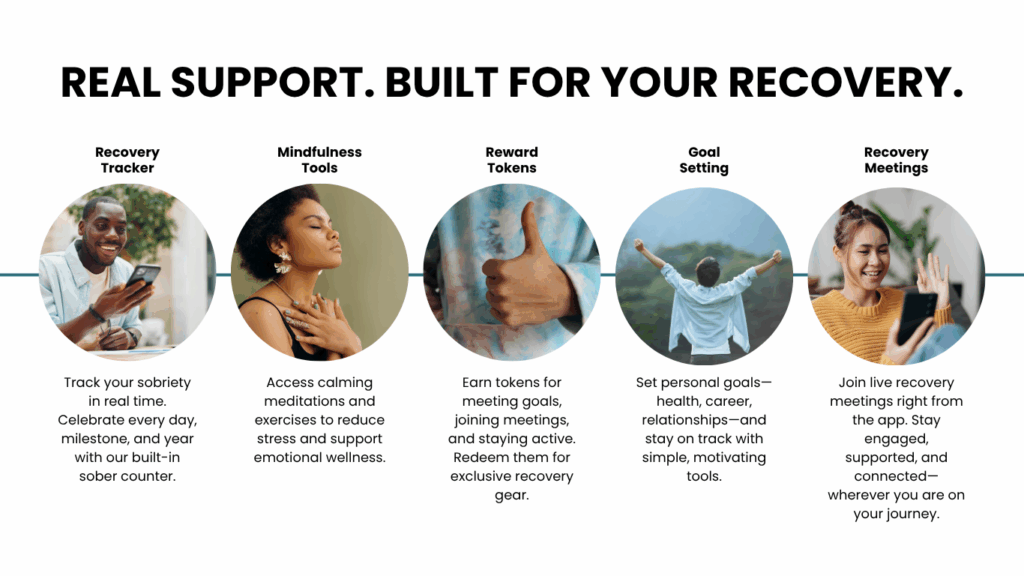
Many individuals stay connected and motivated through tools like the Connect Sobriety app, where they can find support, track progress, and stay accountable every day.
Understanding What It Means to Rebuild Your Life
Rebuilding your life means creating a new foundation. During addiction, life often becomes unstable. Relationships may be damaged, routines may disappear, and personal goals may be forgotten.
Recovery gives you the chance to rebuild everything step by step.
According to the National Institutes of Health, long-term addiction recovery involves lifestyle changes, emotional growth, and rebuilding social connections.
For example, someone who once struggled with daily substance use may now begin focusing on healthy habits, meaningful relationships, and personal goals. This transformation does not happen overnight, but every small step contributes to long-term change.
Starting with a Clear Vision for Your Future
One of the most important steps in rebuilding your life is creating a vision. Without a vision, it is easy to feel directionless.
Ask yourself simple questions. What kind of life do you want? What kind of person do you want to become?
For example, someone might decide they want a stable job, healthy relationships, and peace of mind. This vision becomes their motivation.
You can explore helpful tools through Connect Sobriety and learn more on the Landing Page to begin shaping your recovery journey.
A clear vision gives your daily actions meaning and direction.
Building Healthy Daily Habits
Habits shape your life. In addiction, unhealthy habits take control. In recovery, you replace those habits with positive ones.
For example, instead of spending time in harmful environments, you may choose to exercise, read, or connect with supportive people.
According to the Centers for Disease Control and Prevention, healthy habits improve both physical and mental well-being.
Simple habits like waking up on time, eating well, and staying active can create stability. Over time, these habits become part of your identity.
Rebuilding Relationships and Trust
Addiction often affects relationships. Trust may be broken, and communication may become difficult. Rebuilding relationships is an important part of recovery.
This process requires patience and consistency.
For example, someone might start by being honest, showing up on time, and following through on promises. These small actions rebuild trust over time.
You can learn more about support systems on the About Us page and reach out through the Contact Us page.
Healthy relationships provide encouragement and accountability.
Managing Emotions During the Rebuilding Process
Rebuilding your life can bring many emotions. You may feel proud, but also anxious or overwhelmed. These feelings are normal.
Learning to manage emotions is essential.
For example, someone feeling stressed might practice deep breathing or talk to a trusted friend. These actions help prevent emotional overload.
The American Psychological Association highlights that emotional regulation is key to maintaining mental health.
Managing your emotions helps you stay focused on your goals.
Staying Consistent Even When It Feels Difficult
There will be days when you feel unmotivated. This is a normal part of addiction recovery. What matters is consistency.
For example, someone may not feel like following their routine, but they still take small steps. These steps keep them moving forward.
Consistency builds discipline, and discipline builds long-term success.
You can stay consistent by using tools like the Connect Sobriety app to track your progress and stay motivated.
Creating a Step-by-Step Plan for Life Rebuilding
Breaking your goals into steps makes them easier to achieve.
Step 1: Set small, realistic goals
Step 2: Build daily routines
Step 3: Stay connected with support
Step 4: Track your progress
Step 5: Adjust and improve over time
This step-by-step approach helps you stay focused and avoid feeling overwhelmed.
Common Mistakes to Avoid
One mistake is expecting quick results. Rebuilding takes time. Another is comparing your progress to others.
Some people also try to do everything alone. Support is essential.
Avoiding these mistakes helps you stay on track.
Pro Tips for Rebuilding Your Life
Stay patient with yourself. Focus on progress, not perfection. Surround yourself with positive influences. Celebrate small wins.
These simple strategies can make a big difference in your journey.
Emotional Support and Recovery
If you or someone you know needs help, support is available. Recovery is not something you have to face alone.
You can also make a difference by supporting recovery efforts and helping others rebuild their lives.
Moving Forward With Hope
Rebuilding your life in addiction recovery is a journey of strength, courage, and transformation. Every step you take brings you closer to a better future.
Stay committed, stay focused, and believe in your ability to change.