
Overcoming negative thoughts in addiction recovery is one of the most important steps toward building a stable and lasting sober life. Many people struggle not just with cravings, but with the constant stream of negative thinking that tells them they are not strong enough, not worthy, or not capable of change. These thoughts can slowly weaken motivation and lead back to old habits if they are not addressed.
In addiction recovery, your mindset matters just as much as your actions. What you think influences how you feel, and how you feel influences what you do. If your thoughts remain negative, your recovery journey becomes harder than it needs to be. That is why learning to manage and overcome negative thinking is essential for long-term success.
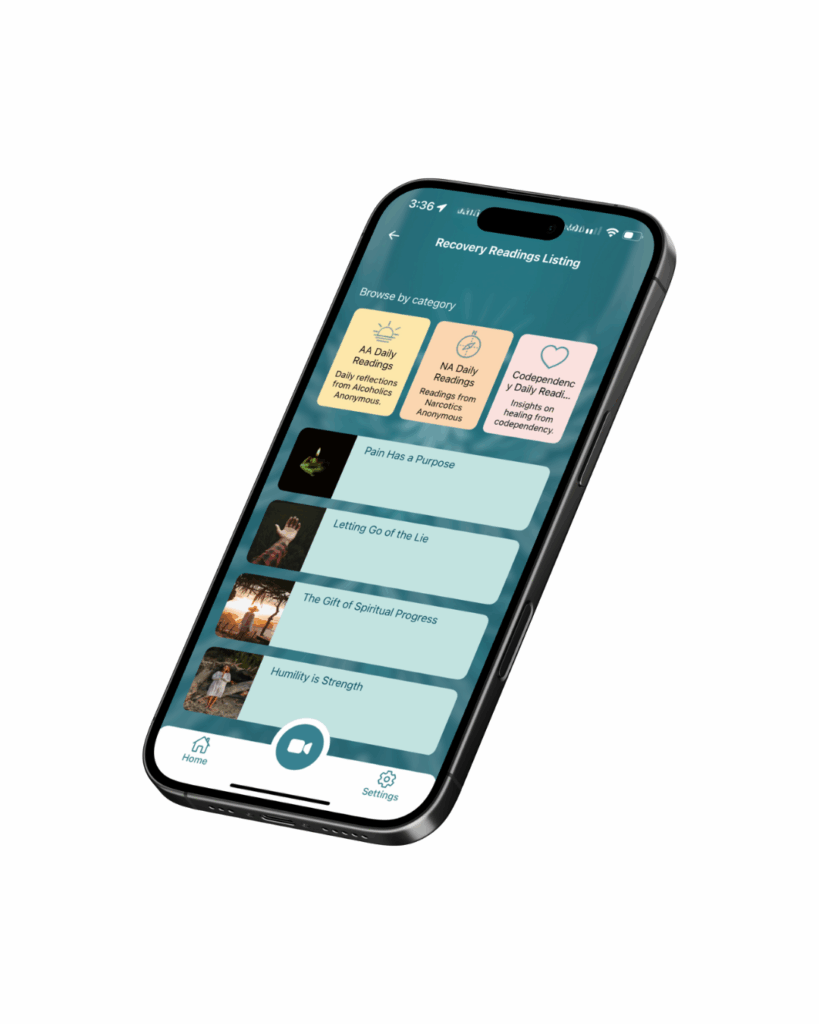
Many individuals find support and daily encouragement through tools like the Connect Sobriety app, where they can stay connected, track progress, and receive motivation throughout their journey.
Understanding Negative Thoughts in Addiction Recovery
Negative thoughts are automatic patterns of thinking that focus on fear, doubt, and failure. In addiction recovery, these thoughts often come from past experiences, guilt, or fear of the future. They may sound like “I can’t do this,” or “I will never change.”
Most people don’t realize that these thoughts are not facts — they are patterns that can be changed. According to the National Institutes of Health, cognitive patterns play a major role in addiction and recovery outcomes.
For example, someone who relapsed in the past may believe they will fail again. This belief creates fear, which can lead to giving up. But when that thought is challenged and replaced, the outcome can change completely.
Why Negative Thinking Leads to Relapse
Negative thinking creates emotional stress. When someone constantly feels hopeless, stressed, or anxious, they may look for relief. In the past, that relief may have come from substances.
For example, imagine someone who has a difficult day. They start thinking, “Nothing is working,” or “I can’t handle this.” These thoughts build pressure. Without healthy coping strategies, they may turn back to old habits.
According to the National Institute on Drug Abuse, emotional triggers and stress are among the most common causes of relapse.
Learning to manage negative thoughts reduces emotional pressure and helps you stay in control.
Recognizing Your Thought Patterns
The first step in overcoming negative thoughts is recognizing them. Many people are not even aware of how often they think negatively.
For example, someone might fail at a small task and immediately think, “I’m useless.” This is an automatic reaction, not a conscious decision.
One simple way to build awareness is to pause and ask yourself, “What am I thinking right now?” Writing down your thoughts can also help you identify patterns.
You can explore more self-awareness tools on the Recovery Blog Resources page.
Once you recognize these patterns, you can begin to change them.
Replacing Negative Thoughts with Positive Ones
Replacing negative thoughts does not mean ignoring reality. It means choosing a healthier and more balanced perspective.
For example, instead of thinking, “I failed,” you can think, “I made a mistake, but I can learn from it.” This shift may seem small, but it changes how you feel and act.
According to the American Psychological Association, positive thinking improves mental resilience and emotional stability.
Imagine someone who replaces self-doubt with encouragement. Over time, they begin to feel stronger and more confident in their recovery.
Building a Daily Mindset Routine
Just like physical habits, your mindset needs daily practice. A strong mental routine helps you stay focused and positive.
For example, you might start your day with positive affirmations, spend a few minutes reflecting, and end your day by reviewing what went well.
Many people stay consistent by using the Connect Sobriety app to track their progress and stay motivated.
You can also learn more about building supportive routines through Connect Sobriety and the Features page.
Daily mindset habits help strengthen your mental resilience over time.
Managing Stress and Emotional Triggers
Stress is one of the biggest triggers for negative thinking. When stress builds, your thoughts can quickly become negative.
For example, someone dealing with work pressure or personal issues may start feeling overwhelmed. This can lead to thoughts like “I can’t handle this.”
The Centers for Disease Control and Prevention emphasizes that managing stress is essential for maintaining mental health.
Simple techniques such as deep breathing, walking, or talking to someone can help reduce stress and clear your mind.
Surrounding Yourself with Positive Influences
The people you spend time with can influence your thoughts. Being around supportive and positive individuals helps you maintain a healthy mindset.
For example, someone who regularly connects with a recovery group may feel more motivated and encouraged. On the other hand, negative environments can increase self-doubt.
You can learn more about building supportive connections on the About Us page or reach out through the Contact Us page.
Positive environments reinforce positive thinking.
Daily Routine for a Positive Mindset
Morning: Start with positive affirmations and reflection.
Afternoon: Stay engaged in productive activities.
Evening: Reflect on your progress and prepare for tomorrow.
Consistency in these habits helps rewire your thinking over time.
Common Mistakes to Avoid
One mistake is believing every negative thought is true. Another is ignoring your thoughts instead of addressing them.
Some people also expect instant results. Changing your mindset takes time and practice.
Avoiding these mistakes helps you stay on track.
Pro Tips for Changing Your Mindset
Focus on progress, not perfection. Write down positive thoughts. Practice gratitude daily. Surround yourself with support.
These small actions can create powerful changes over time.
Emotional Support and Recovery
If you or someone you know is struggling, support is available. Recovery is not something you have to do alone.
You can also make a difference by supporting recovery efforts and helping others who are facing similar challenges.
Moving Forward With Hope
Overcoming negative thoughts in addiction recovery is a journey of growth and self-discovery. Every positive thought you build strengthens your path forward.
Stay patient, stay consistent, and remember that change is possible.