
One of the most frustrating emotional experiences during addiction recovery is feeling like personal progress is not happening fast enough. Many people work extremely hard to rebuild their lives, improve their emotional health, maintain sobriety, and create healthier routines, yet they still feel emotionally dissatisfied with themselves.
This often happens because recovery progress usually develops gradually rather than dramatically.
Many individuals expect emotional transformation to feel obvious every day. Instead, growth often happens quietly through small decisions repeated consistently over time. Because these improvements happen slowly, people sometimes fail to recognize how much their lives are actually changing.
For example, someone may still struggle with stress, anxiety, emotional triggers, or difficult days and assume recovery is not working. At the same time, they may already be handling situations more calmly, communicating more honestly, maintaining healthier routines, and making far better decisions than before.
The problem is that people often focus more on what still feels difficult instead of noticing how much unhealthy behavior has already changed.
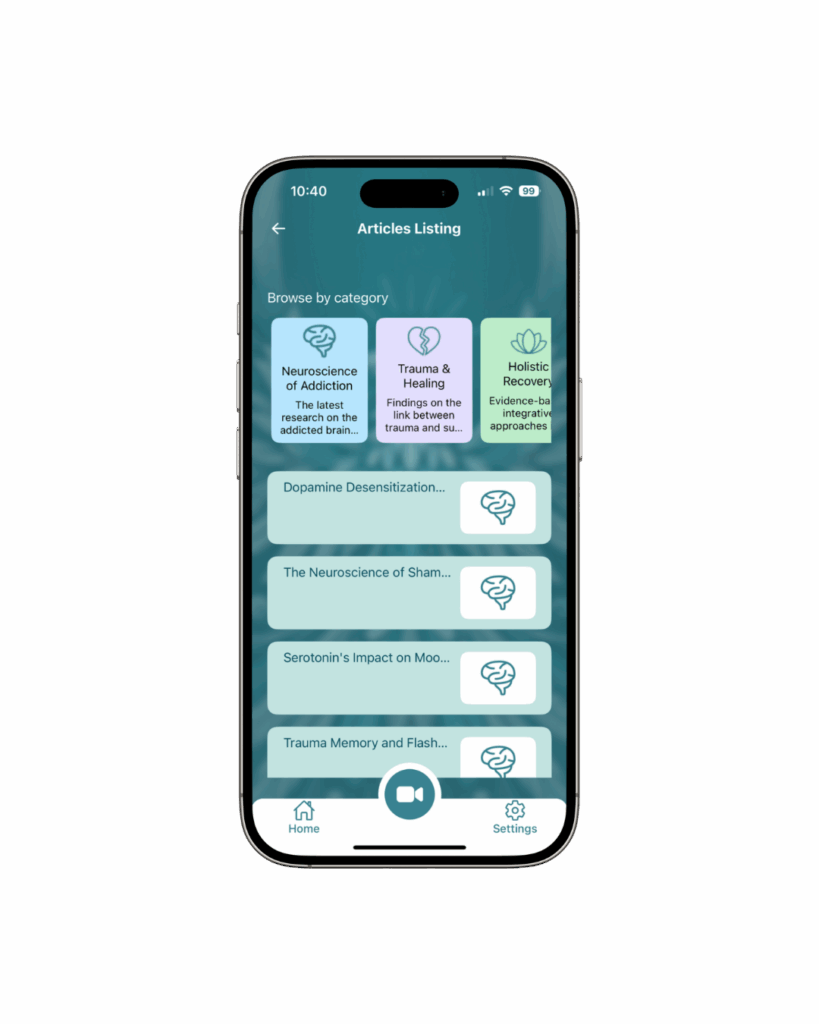
Many individuals stay emotionally grounded during these periods through supportive recovery systems like the Connect Sobriety app, where people can track emotional progress, stay accountable, and remain connected during long-term recovery.
Why Recovery Growth Often Feels Slow
Many people enter addiction recovery hoping emotional healing will happen quickly once destructive habits stop. While some improvements appear early, deeper emotional growth usually takes much longer.
For example, rebuilding emotional regulation, self-confidence, trust, communication habits, relationships, and healthy coping systems often requires months or years of consistent effort.
Because these changes happen gradually, many individuals fail to recognize their progress while it is happening.
According to the Substance Abuse and Mental Health Services Administration (SAMHSA), recovery is a long-term process involving emotional, mental, behavioral, and social growth over time.
This means recovery progress is usually measured through consistency and stability rather than emotional perfection.
Why People Focus More on Their Struggles Than Their Growth
One reason recovery progress often feels invisible is that the brain naturally notices stress and problems more easily than gradual improvement.
For example, someone may focus heavily on one emotionally difficult day while ignoring months of healthy decisions, emotional discipline, and positive growth that already happened.
People often remember mistakes more intensely than successes.
This emotional imbalance can create discouragement even during periods of real progress.
Someone may still feel emotionally overwhelmed sometimes, but compared to the past, they may now:
• handle conflict more calmly
• avoid destructive environments
• communicate more honestly
• maintain healthier routines
• recover emotionally faster after stressful moments
These are meaningful signs of recovery growth, even if emotional struggles still exist occasionally.
How Unrealistic Expectations Create Frustration
Many people become emotionally discouraged because they unknowingly create unrealistic expectations for recovery.
For example, someone may believe that after several months of sobriety, they should no longer experience stress, emotional triggers, anxiety, sadness, or self-doubt.
But recovery does not remove normal human emotions completely.
Recovery teaches healthier ways to manage those emotions.
The National Institute of Mental Health (NIMH) explains that emotional wellness involves learning healthy emotional regulation rather than avoiding difficult emotions entirely.
This is why someone can still experience emotionally difficult days while continuing to make strong recovery progress overall.
Why Comparison Quietly Damages Recovery Confidence
Comparison becomes another major reason people fail to recognize personal growth during recovery.
For example, someone may compare themselves to another person who appears emotionally confident, highly successful, or perfectly stable online or in recovery environments.
Over time, comparison quietly creates discouragement.
The problem is that recovery journeys are extremely personal. Some individuals rebuild emotional confidence quickly, while others require more time adjusting emotionally, mentally, and socially.
External appearances also rarely show the full reality of someone’s emotional struggles.
Many people who appear emotionally strong publicly still face private emotional challenges internally.
This is why focusing on personal growth usually creates healthier emotional progress than constantly measuring recovery against others.
How Small Daily Improvements Quietly Change Life
Many recovery improvements happen so gradually that they initially feel insignificant. Over time, however, small habits and healthier decisions create major emotional transformation.
For example, someone who practices healthy sleep habits, emotional awareness, exercise, stress management, honest communication, and supportive recovery routines consistently may slowly become emotionally stronger without noticing dramatic daily changes.
But months later, their emotional reactions, mental clarity, relationships, and decision-making often look completely different than before.
Small healthy routines quietly create long-term emotional stability.
Many individuals strengthen these routines through recovery support available on Connect Sobriety and educational guidance from the Recovery Blog Resources page.
Consistency often creates emotional progress long before someone emotionally feels “fully healed.”
Why Emotional Healing Is Not Always Linear
One important truth many individuals eventually learn is that emotional healing rarely follows a perfectly straight path.
Some weeks feel emotionally strong and motivating. Other periods feel stressful, exhausting, or emotionally confusing.
This does not automatically mean progress disappeared.
For example, someone may experience temporary emotional setbacks during stressful periods while still maintaining healthier coping habits and better emotional control overall.
Progress often continues even during emotionally difficult seasons.
The problem is that many people judge recovery entirely based on temporary emotions instead of long-term behavioral growth.
How Overthinking Hides Recovery Progress
Many individuals unintentionally overlook personal growth because they constantly overanalyze themselves emotionally.
For example, someone may repeatedly think:
“I should be further along by now.”
“Why do I still struggle emotionally sometimes?”
“Why doesn’t recovery feel easier yet?”
Over time, this constant self-judgment creates emotional pressure and discouragement.
The reality is that growth often happens quietly through repeated healthy decisions rather than dramatic emotional breakthroughs.
Someone may already be making significantly healthier decisions while still emotionally feeling uncertain internally.
Why Support Systems Matter During Discouraging Periods
Many people feel emotionally stronger during recovery when they stay connected to supportive environments instead of carrying discouragement completely alone.
Support systems often help individuals recognize personal growth that they cannot easily see in themselves.
For example, supportive people may notice improved emotional control, healthier communication, increased responsibility, or stronger emotional awareness before the person fully recognizes those improvements internally.
The Centers for Disease Control and Prevention (CDC) explains that emotional support and healthy relationships strongly affect emotional wellness and long-term resilience.
This is why emotional connection remains important throughout long-term recovery.
Common Signs Recovery Progress Is Actually Happening
Many people fail to recognize recovery progress because they only look for dramatic emotional transformation.
Some meaningful signs of progress include:
• making healthier decisions during stressful moments
• recovering emotionally faster after difficult days
• communicating more honestly
• maintaining healthier boundaries
• developing emotional awareness
• improving consistency with routines
• reducing destructive behaviors
• handling stress more calmly
These small improvements often become the true foundation of long-term emotional stability.
Support Systems Help People Stay Encouraged
Addiction recovery often becomes emotionally healthier when people remain connected to supportive environments during difficult or discouraging periods.
You can learn more about supportive recovery communities through the About Us page or connect directly through the Contact Us page.
Healthy support systems often help people remain emotionally grounded while continuing long-term recovery growth.
Moving Forward Without Ignoring Small Progress
Recovery progress does not always feel dramatic while it is happening.
Sometimes growth appears quietly through healthier decisions repeated consistently over time.
Some emotionally difficult days will still happen.
Some stressful periods will still happen.
That does not automatically erase progress.
Long-term recovery is usually strengthened through consistency, emotional awareness, healthier coping habits, supportive connections, and small daily improvements continued over long periods of time.
Healing is often less about becoming perfect instantly and more about slowly becoming healthier, stronger, and emotionally more stable than before.
And sometimes the biggest sign of progress is simply realizing you now handle situations in healthier ways than the version of yourself who first started recovery.