
One emotional struggle many people quietly experience during addiction recovery is feeling emotionally lost after leaving behind their old lifestyle. At first, recovery often feels focused on one major goal: stopping destructive habits and building a healthier future.
But after the early stages of recovery begin stabilizing, many individuals suddenly face a difficult emotional question they did not expect:
“Who am I now?”
This emotional uncertainty can feel confusing and overwhelming. Someone may no longer identify with their old behaviors, environments, or relationships, yet they may also feel unsure about their new identity, future direction, or emotional purpose.
Many people wrongly assume something is wrong when this emotional confusion appears. In reality, this feeling is extremely common during long-term recovery because addiction recovery often requires rebuilding identity alongside rebuilding life stability.
For example, someone who spent years centered around unhealthy routines, environments, or coping systems may suddenly feel emotionally disconnected once those patterns disappear.
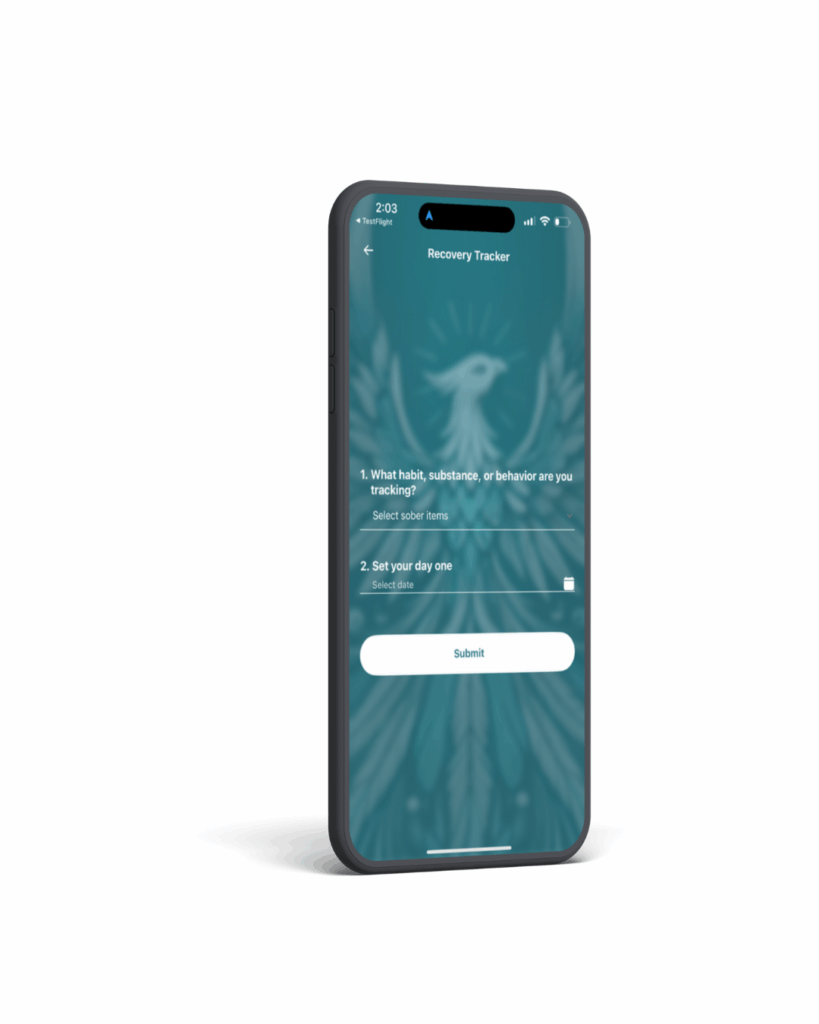
Many individuals navigate these emotional transitions more effectively through supportive recovery systems like the Connect Sobriety app, where people can stay emotionally connected and supported while rebuilding healthier lifestyles and long-term recovery stability.
Why Recovery Changes More Than Just Behavior
Many people entering recovery initially focus only on stopping harmful behaviors. While sobriety is extremely important, long-term recovery often affects much deeper parts of life as well.
For example, recovery may completely change someone’s social circle, daily routine, emotional coping habits, lifestyle priorities, relationships, career goals, and personal identity.
Over time, many individuals realize they are no longer the same person they were during active addiction.
This emotional shift can feel positive and uncomfortable at the same time.
According to the Substance Abuse and Mental Health Services Administration (SAMHSA), recovery is a process of improving health, wellness, purpose, and emotional stability over time.
This means recovery often involves rebuilding identity, not just removing substances.
Why Emotional Emptiness Sometimes Appears
One difficult reality of recovery is that removing unhealthy habits does not automatically create emotional fulfillment overnight.
For example, someone may successfully leave behind destructive routines but still feel emotionally empty afterward because old habits previously occupied so much emotional and mental space.
This emotional emptiness often surprises people.
Many individuals expect sobriety itself to instantly create happiness, clarity, and purpose. Instead, they sometimes experience uncertainty, loneliness, boredom, or emotional confusion while adjusting to a healthier life.
This does not mean recovery is failing.
It often means the person is still learning how to build emotional purpose and personal identity outside of addiction.
How Old Environments Affect Emotional Identity
Many individuals do not realize how strongly environments shape emotional identity over time.
For example, someone may spend years surrounded by unhealthy social circles, stressful environments, destructive habits, or emotionally unstable routines. Over time, those environments become emotionally familiar even when they are unhealthy.
During recovery, leaving those environments behind may create emotional discomfort simply because life feels unfamiliar.
The brain often struggles adjusting to major emotional and lifestyle changes at first.
The National Institute of Mental Health (NIMH) explains that emotional wellness and mental adjustment often require time, structure, and supportive coping systems.
This is why emotional confusion during recovery is far more common than many people realize.
Why People Sometimes Miss Their Old Lifestyle
One difficult truth many individuals feel ashamed admitting is that they sometimes miss parts of their old lifestyle during recovery.
This does not always mean they miss addiction itself.
Often, people miss familiarity, routine, emotional escape, social connection, or temporary emotional relief associated with old habits.
For example, someone may miss the social environments they once belonged to, even if those environments were unhealthy overall. Others may miss the emotional numbness that substances temporarily create during stressful periods.
This emotional conflict can feel confusing because someone may genuinely want recovery while still grieving parts of their previous life emotionally.
Many individuals feel guilty about these emotions when they are actually normal parts of emotional adjustment.
How Comparison Increases Emotional Confusion
Many people increase emotional pressure during recovery by constantly comparing themselves to others.
For example, someone may see another person appearing highly confident, emotionally stable, and successful in recovery while privately struggling with self-doubt or uncertainty themselves.
Over time, comparison quietly increases emotional insecurity.
The problem is that recovery journeys are highly personal. Some people rebuild emotional confidence quickly while others need more time developing new routines, identity, and emotional direction.
Long-term recovery rarely follows identical timelines.
This is why focusing on personal growth usually creates healthier emotional progress than constantly measuring recovery against others.
Why Purpose Becomes Important During Recovery
Many individuals begin feeling emotionally stronger once they slowly develop healthier purpose and direction during recovery.
Purpose does not always mean dramatic life changes. Sometimes purpose begins through small, meaningful routines and goals repeated consistently over time.
For example, purpose may develop through helping family, improving physical health, building career goals, supporting others in recovery, developing hobbies, volunteering, or creating healthier routines.
Small, meaningful goals often reduce emotional emptiness significantly.
The important thing is giving emotional energy a healthier direction rather than remaining emotionally stuck in confusion or isolation.
How Healthy Routines Create Emotional Stability
Healthy routines often help people feel emotionally grounded while rebuilding identity during recovery.
For example, maintaining stable sleep schedules, exercising regularly, practicing emotional awareness, limiting unhealthy isolation, and staying connected with supportive people usually improve emotional stability over time.
Consistency creates emotional structure when life feels uncertain.
Many individuals strengthen these routines through recovery support available on Connect Sobriety and educational guidance from the Recovery Blog Resources page.
A small daily structure often becomes emotionally grounding during uncertain periods of recovery.
Why Emotional Patience Matters
One major mistake many individuals make is expecting emotional clarity too quickly during recovery.
For example, someone may become frustrated because they still feel uncertain about their future, personal identity, or emotional direction after several months of sobriety.
But emotional rebuilding usually happens gradually.
Long-term recovery often involves learning completely new emotional coping systems, communication habits, routines, and personal values over time.
Most people do not completely rebuild emotional identity overnight.
Patience becomes extremely important during this process.
How Isolation Makes Emotional Confusion Worse
Many individuals become more emotionally lost when they isolate themselves during recovery.
For example, someone struggling emotionally may stop communicating openly, avoid supportive environments, or spend excessive time alone with stressful thoughts.
Over time, emotional confusion often becomes heavier in isolation.
The Centers for Disease Control and Prevention (CDC) explains that emotional connection and supportive relationships strongly affect emotional wellness and resilience.
This is why emotional support remains important even during stable periods of sobriety.
Recovery becomes emotionally healthier when individuals feel connected rather than emotionally disconnected from supportive people and healthy environments.
Common Signs Someone Feels Emotionally Lost During Recovery
Many people fail to recognize emotional confusion early because it often develops quietly.
Some common signs include emotional numbness, lack of direction, boredom, increased overthinking, isolation, low motivation, uncertainty about the future, and feeling disconnected from personal goals.
Some individuals also feel emotionally frustrated because they expected sobriety to automatically create purpose and emotional fulfillment immediately.
The important thing is recognizing these feelings without judging personal recovery negatively.
Support Systems Help People Rebuild Confidence
Addiction recovery often becomes emotionally healthier when people stay connected to supportive environments while rebuilding emotional stability and personal identity.
You can learn more about supportive recovery communities through the About Us page or connect directly through the Contact Us page.
Healthy support systems often help individuals feel emotionally grounded while navigating the emotional uncertainty that sometimes appears during long-term recovery.
Moving Forward Without Needing Every Answer Immediately
Feeling emotionally lost during addiction recovery does not automatically mean something is wrong.
In many cases, it simply means life is changing deeply, and emotional identity is still rebuilding.
Recovery is not only about leaving unhealthy habits behind.
It is also about learning who someone becomes afterward.
That process sometimes takes time.
Some uncertainty will naturally happen.
Some emotionally confusing periods will happen.
But long-term recovery is often strengthened through patience, emotional honesty, supportive connection, healthy routines, and small, meaningful progress repeated consistently over time.
Healing is not only about escaping the old version of life.
Sometimes healing also means slowly discovering a healthier version of yourself that you have never fully known before.