
Strengthening daily discipline in addiction recovery is one of the most powerful ways to build a stable, meaningful, and lasting sober life. Recovery is not just about making one big decision; it is about making small, consistent choices every single day that support your well-being and long-term goals. Discipline becomes the foundation that holds your recovery together when motivation fades or challenges arise. It helps you stay focused, grounded, and committed to your journey. Many individuals find support and accountability through tools like the Connect Sobriety app, where they can stay connected and motivated throughout their recovery.
Understanding Daily Discipline in Recovery
Daily discipline is the practice of consistently making choices that align with your recovery goals. It involves showing up for yourself even when it feels difficult. According to the National Institutes of Health, consistent behavior and structured routines play a key role in maintaining long-term recovery and preventing relapse.
Why Discipline Is More Important Than Motivation
Motivation can come and go, but discipline remains steady. There will be days when you do not feel motivated to continue, but discipline ensures that you keep moving forward. This consistency builds strength and resilience over time.
Starting Your Day with Intention
How you start your day can set the tone for everything that follows. Creating a morning routine that includes positive habits such as reflection, exercise, or planning can help you stay focused and energized throughout the day.
Building a Structured Daily Routine
A structured routine reduces uncertainty and helps you stay organized. Planning your day with meaningful activities allows you to stay productive and avoid situations that may trigger cravings. You can explore helpful tools and strategies through Connect Sobriety and gain insights from the Recovery Blog Resources page.
Managing Cravings with Discipline
Cravings are a natural part of recovery, but discipline helps you respond in a healthy way. Instead of acting impulsively, you learn to pause, reflect, and choose a better option. Research from the National Institute on Drug Abuse shows that developing coping strategies can reduce the intensity of cravings.
Creating Healthy Habits That Support Recovery
Habits are the building blocks of discipline. Developing habits such as regular exercise, healthy eating, and consistent sleep patterns can improve your physical and mental well-being. The Centers for Disease Control and Prevention emphasizes the importance of healthy habits in maintaining overall health.
Staying Accountable to Yourself and Others
Accountability is a key part of maintaining discipline. Sharing your goals with others and tracking your progress can help you stay committed. You can learn more about accountability and support on the About Us page and reach out through the Contact Us page.
Overcoming Distractions and Temptations
Distractions and temptations can challenge your discipline. Learning to recognize and avoid these influences helps you stay focused on your goals. Creating a supportive environment can reduce the impact of these challenges.
Developing Emotional Control
Emotions can sometimes lead to impulsive decisions. Discipline helps you manage your emotions and respond thoughtfully instead of reacting immediately. Research available on PubMed shows that emotional regulation improves decision-making and reduces risky behaviors.
Using Technology to Stay Consistent
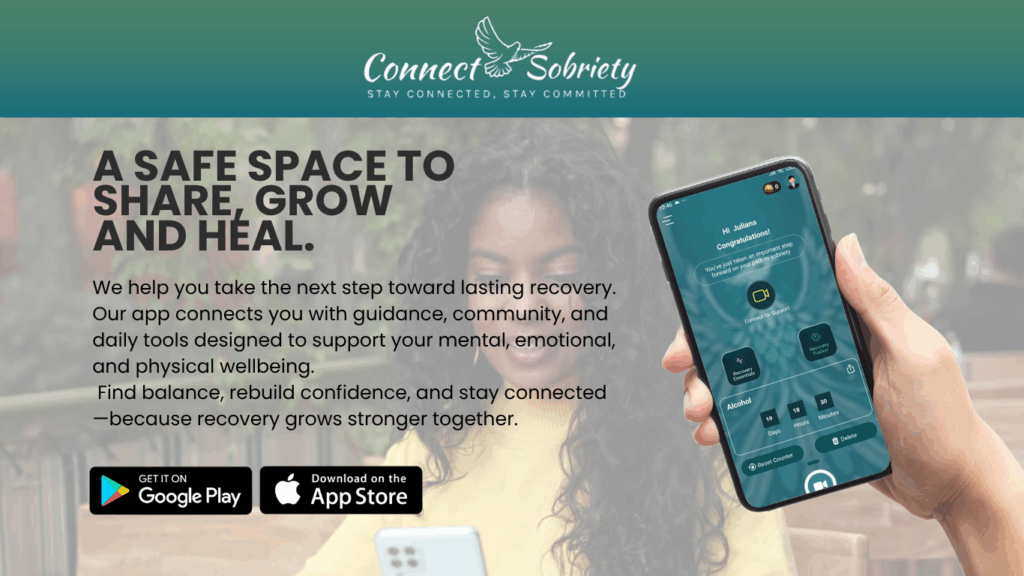
Technology can provide valuable support in maintaining discipline. Many individuals rely on the Connect Sobriety app to track their progress, connect with others, and stay motivated throughout their recovery journey.
Learning to Stay Disciplined on Difficult Days
There will be days when everything feels harder. On these days, discipline becomes even more important. Focusing on small actions and taking one step at a time can help you stay on track even when motivation is low.
Building Confidence Through Consistency
Each time you follow through on your commitments, you build confidence in your ability to stay disciplined. This confidence reinforces your commitment to recovery and helps you face future challenges with strength.
Creating a Positive Environment for Success
Your environment has a strong influence on your discipline. Surrounding yourself with positive influences and removing triggers can make it easier to stay consistent and focused on your goals.
Learning from Setbacks Without Giving Up
Setbacks can happen, but they do not mean failure. Learning from these experiences and continuing to move forward is a key part of building discipline. The Mayo Clinic suggests that resilience and persistence are essential for long-term success.
Finding Purpose in Daily Actions
When your actions are connected to a deeper purpose, it becomes easier to stay disciplined. Understanding why you are on this journey can provide motivation and direction, even during difficult times.
Maintaining Balance in Your Life
Discipline is not about being rigid; it is about creating balance. Ensuring that you have time for work, rest, and personal growth helps you maintain a healthy and sustainable lifestyle. The World Health Organization highlights the importance of balance in achieving overall well-being.
Moving Forward With Hope
Strengthening daily discipline in addiction recovery is a journey of consistency, growth, and determination. Every small action you take brings you closer to a healthier and more fulfilling life. If you ever feel overwhelmed, remember that help is always available. Reach out, ask for support, and stay connected. Consider getting involved in recovery communities, supporting others, or contributing to meaningful causes. Most importantly, continue moving forward with hope and determination, and stay connected through the Connect Sobriety app to keep your recovery strong every day.