
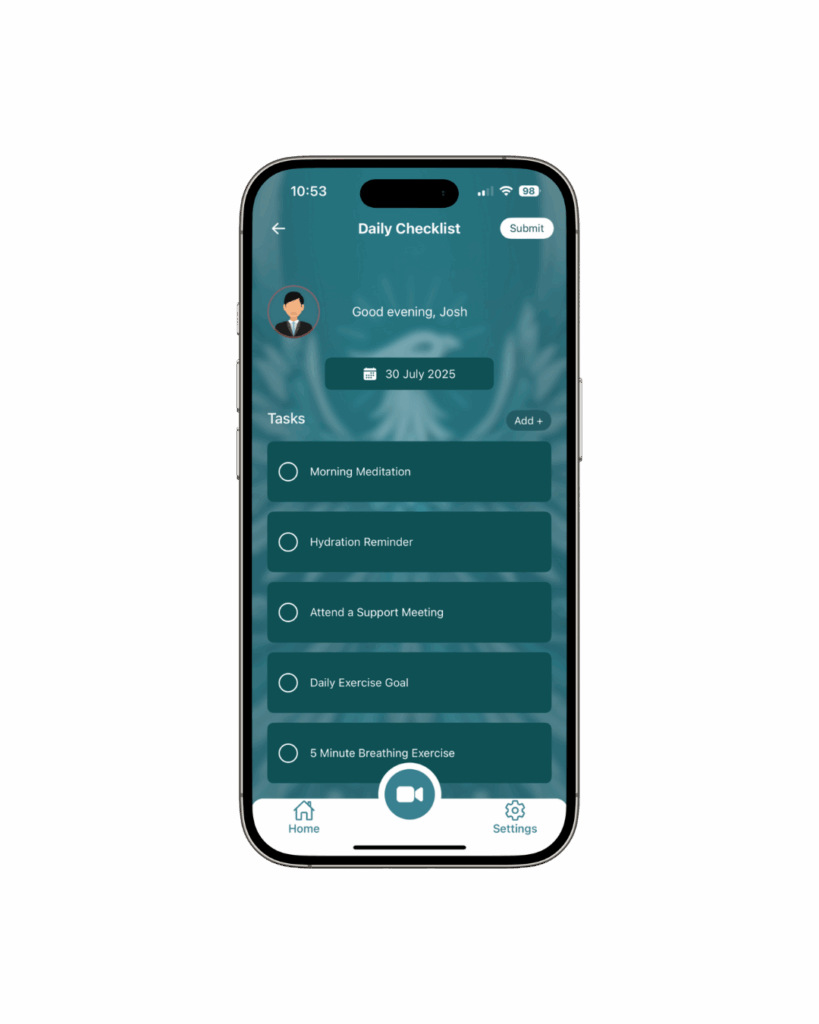
Overcoming negative thoughts in addiction recovery is one of the most important steps toward achieving long-term sobriety and emotional freedom. Recovery is not only about breaking physical dependence but also about changing the mental patterns that often lead to relapse. Negative thoughts can create doubt, fear, and hopelessness, making it harder to stay committed to your journey. Learning how to recognize and challenge these thoughts allows you to build a healthier mindset and a stronger future. Many individuals find ongoing support and encouragement through tools like the Connect Sobriety app, where they can stay motivated and connected throughout their recovery journey.
Understanding the Power of Negative Thoughts
Negative thoughts can have a strong influence on your emotions and behavior. In addiction, these thoughts often reinforce harmful patterns and make it difficult to move forward. According to the National Institutes of Health, repeated negative thinking can impact brain function and increase stress levels. Recognizing the power of these thoughts is the first step toward changing them.
How Addiction Reinforces Negative Thinking
Addiction often creates cycles of guilt, shame, and self-doubt. These emotions can lead to negative thinking patterns that make recovery feel more difficult. The American Psychological Association highlights that breaking these cycles requires awareness and intentional effort.
Recognizing Common Negative Thought Patterns
Negative thoughts can appear in many forms, such as self-criticism, fear of failure, or feelings of hopelessness. Identifying these patterns allows you to understand when they are influencing your behavior. Awareness gives you the opportunity to respond differently.
Challenging Negative Beliefs
Once you recognize negative thoughts, the next step is to challenge them. Ask yourself whether these thoughts are based on facts or assumptions. Replacing negative beliefs with more balanced and realistic perspectives can help you build a healthier mindset.
Practicing Positive Self-Talk
Positive self-talk is a powerful tool in recovery. Replacing negative thoughts with encouraging and supportive statements can improve your confidence and motivation. Over time, this practice can change the way you think and feel about yourself.
Building Emotional Awareness
Understanding your emotions can help you manage negative thoughts more effectively. Emotional awareness allows you to identify what you are feeling and why. Research available on PubMed shows that increased emotional awareness improves mental health outcomes.
Using Mindfulness to Stay Present
Mindfulness helps you observe your thoughts without judgment. By staying present, you can prevent negative thoughts from taking control. This practice allows you to respond calmly instead of reacting impulsively.
Creating a Supportive Environment
Your environment plays a significant role in shaping your thoughts. Surrounding yourself with positive influences can help reduce negativity and support your recovery. You can explore supportive communities through Connect Sobriety and gain insights from the Recovery Blog Resources page.
Managing Stress and Anxiety
Stress and anxiety can increase negative thinking. Learning how to manage these emotions through healthy coping strategies is essential. The Centers for Disease Control and Prevention emphasizes the importance of stress management in maintaining overall well-being.
Reframing Challenges as Opportunities
Instead of viewing challenges as obstacles, try to see them as opportunities for growth. This shift in perspective can help you stay motivated and positive during difficult times. The World Health Organization highlights the importance of resilience in maintaining mental health.
Building Confidence Through Action
Taking positive actions can help reduce negative thinking. Each step you take toward your goals reinforces your belief in yourself. Over time, these actions build confidence and strengthen your recovery.
Connecting with Supportive Communities
Sharing your experiences with others who understand your journey can provide encouragement and reduce feelings of isolation. Groups like Alcoholics Anonymous and Narcotics Anonymous offer valuable support and guidance.
Using Technology for Ongoing Support
Technology can provide constant access to support and motivation. Many individuals rely on the Connect Sobriety app to stay connected, track progress, and receive encouragement during challenging moments.
Replacing Negative Habits with Positive Ones
Developing new habits can help shift your focus away from negative thinking. Activities such as exercise, journaling, or learning new skills can provide a positive outlet for your energy and emotions.
Learning from Setbacks Without Self-Judgment
Setbacks can happen, but they do not define your journey. Instead of judging yourself, use these moments as opportunities to learn and grow. The Mayo Clinic suggests that self-compassion improves resilience and long-term success.
Creating a Vision for a Positive Future
Having a clear vision of your future can help you stay focused and motivated. Imagine the life you want to build and take steps toward achieving it. This vision can guide your actions and decisions.
Staying Committed to Mental Growth
Overcoming negative thoughts is an ongoing process that requires commitment and practice. Each day, you have the opportunity to strengthen your mindset and build a more positive outlook on life.
Moving Forward With Hope
Overcoming negative thoughts in addiction recovery is a journey of awareness, strength, and transformation. Every positive thought and action brings you closer to a healthier and more fulfilling life. If you ever feel overwhelmed, remember that help is always available. Reach out, ask for support, and stay connected. Consider getting involved in recovery communities, supporting others, or contributing to meaningful causes. Most importantly, continue moving forward with hope and determination, and stay connected through the Connect Sobriety app to keep your recovery strong every day.