
One of the most overlooked emotional challenges during addiction recovery is learning to believe that you deserve a better life. Many individuals work hard to maintain sobriety, improve relationships, develop healthier habits, and rebuild their futures. Yet despite this progress, they often struggle with feelings of unworthiness.
This emotional conflict can create self-doubt, anxiety, and difficulty accepting positive change.
For example, someone may achieve several months or even years of sobriety, secure stable employment, rebuild family relationships, and improve emotional health. However, they may still secretly believe they do not deserve happiness, success, or peace of mind.
Many individuals quietly ask themselves:
“Do I deserve a better life after everything that happened?”
“Why do I feel guilty when good things happen?”
“Why is it hard to accept positive change?”
“Will people ever see me differently?”
These questions are extremely common during long-term recovery.
Many people assume these feelings mean they have not grown enough. In reality, these thoughts often reflect old emotional wounds rather than present reality.
Recovery is not only about changing behaviors. It is also about changing the way individuals view themselves.
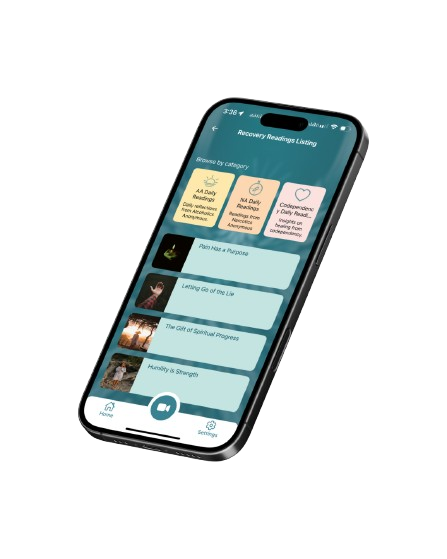
Many people strengthen their recovery journey through supportive tools like the Connect Sobriety app, which helps individuals stay accountable, celebrate progress, and maintain healthy recovery habits.
Why Addiction Often Damages Self-Worth
During active addiction, many individuals experience situations that damage confidence and self-esteem.
For example, they may struggle with:
• broken promises
• damaged relationships
• financial difficulties
• poor decisions
• feelings of guilt
• emotional shame
Over time, these experiences can create negative beliefs about personal worth.
Someone may begin thinking:
“I’m not good enough.”
“I don’t deserve success.”
“People will never trust me.”
“I’ll always be defined by my past.”
These beliefs often remain active long after recovery begins.
According to the Substance Abuse and Mental Health Services Administration (SAMHSA), recovery involves improving health, wellness, purpose, and quality of life. Part of that process includes rebuilding a healthier sense of self-worth.
How Shame Continues After Sobriety Begins
Many individuals believe sobriety will immediately eliminate feelings of shame.
Unfortunately, emotional healing often takes longer than behavioral change.
For example, someone may stop using substances yet continue carrying emotional burdens from past experiences.
They may replay mistakes repeatedly and struggle forgiving themselves.
This ongoing shame often creates barriers to personal growth.
Even when positive opportunities appear, individuals may reject them because they feel undeserving.
Recognizing the difference between healthy accountability and toxic shame is an important part of recovery.
Why Positive Change Can Feel Uncomfortable
Many people become accustomed to negative self-perceptions over time.
As a result, positive experiences can feel surprisingly uncomfortable.
For example, someone may receive praise from coworkers, support from loved ones, or recognition for recovery achievements.
Instead of feeling proud, they may feel awkward or suspicious.
They may wonder:
“Do people really mean that?”
“What if they knew everything about me?”
“What if I disappoint them?”
This discomfort often reflects old emotional patterns rather than current reality.
How Self-Forgiveness Supports Recovery
One of the most powerful steps in emotional healing is learning self-forgiveness.
Self-forgiveness does not mean ignoring mistakes.
It does not mean avoiding responsibility.
Instead, it means acknowledging mistakes while accepting the possibility of growth.
For example, someone may recognize that poor decisions occurred during addiction while also recognizing that they are actively working toward positive change today.
Many individuals discover that self-forgiveness allows them to move forward more effectively than constant self-punishment.
The National Institute of Mental Health (NIMH) explains that emotional wellness often improves when people develop healthier coping strategies and more balanced thinking patterns.
Why Comparing Yourself To Others Reduces Self-Worth
Comparison remains one of the biggest obstacles to healthy self-esteem.
For example, someone may compare themselves to coworkers, family members, friends, social media personalities, or other individuals in recovery.
These comparisons often create unrealistic expectations.
People rarely compare themselves fairly. Instead, they compare their struggles to someone else’s successes.
This habit often makes individuals overlook their own progress.
Recovery becomes healthier when people focus on personal growth rather than external comparisons.
How Small Victories Build Confidence
Many individuals underestimate the importance of small wins.
For example:
• staying sober another day
• attending a recovery meeting
• exercising regularly
• improving communication
• managing stress effectively
• practicing self-care
• setting healthy boundaries
• asking for support when needed
Each of these actions represents meaningful progress.
Many people focus so heavily on major goals that they overlook the importance of these smaller victories.
However, long-term recovery is often built through consistent daily actions rather than dramatic breakthroughs.
Recognizing these accomplishments helps strengthen confidence and reinforce healthy habits.
Why Acceptance Is Essential For Emotional Growth
Acceptance does not mean approving of everything that happened during addiction.
Instead, acceptance means acknowledging reality without remaining trapped by it.
For example, someone may accept that mistakes occurred while also recognizing that they are actively creating a healthier future.
Acceptance helps reduce emotional resistance.
It allows people to focus energy on growth rather than constantly fighting against the past.
Many individuals find that accepting their history actually makes it easier to build a better future.
How Healthy Relationships Reinforce Self-Worth
Supportive relationships often play an important role in rebuilding confidence.
Friends, family members, mentors, and recovery communities can provide encouragement and perspective.
Healthy relationships often help people see strengths they overlook in themselves.
Supportive individuals may recognize growth long before someone recognizes it personally.
This positive reinforcement often strengthens self-worth and motivation.
The Centers for Disease Control and Prevention (CDC) highlights the importance of social connection for emotional wellness and resilience.
Recovery frequently becomes easier when individuals remain connected to healthy support systems.
Why Building Self-Worth Requires Consistency
Many people hope confidence will appear suddenly.
However, self-worth often develops gradually through repeated positive experiences.
For example:
• keeping commitments
• maintaining sobriety
• making healthy decisions
• following through on goals
• improving relationships
• managing emotions effectively
Each success provides evidence that growth is happening.
Over time, these experiences help replace negative beliefs with healthier perspectives.
Confidence often grows when people repeatedly demonstrate to themselves that change is possible.
How Healthy Habits Support A Better Life
Healthy habits often create the foundation for long-term recovery success.
For example:
• regular exercise
• healthy sleep schedules
• mindfulness practices
• journaling
• recovery meetings
• balanced nutrition
• supportive social connections
Many individuals strengthen these routines through recovery support available on Connect Sobriety and educational guidance from the Recovery Blog Resources.
These habits often improve emotional well-being while reinforcing a healthier self-image.
Common Signs Someone Is Struggling With Self-Worth
Some common signs include:
• difficulty accepting compliments
• constant self-criticism
• guilt about positive experiences
• comparing yourself to others
• fear of success
• low confidence
• focusing on past mistakes
• difficulty recognizing progress
Recognizing these patterns often helps individuals begin addressing them more effectively.
Moving Forward By Believing You Deserve Recovery
Recovery is about much more than avoiding substances.
It is about creating a healthier, more meaningful life.
Many people spend years believing they are defined by their mistakes.
However, recovery offers an opportunity to build a new identity based on growth, resilience, and positive choices.
Learning to believe you deserve happiness, success, and peace takes time.
Some days will feel easier than others.
Some doubts may still appear occasionally.
That does not erase progress.
Long-term recovery is strengthened through self-compassion, supportive relationships, healthy habits, emotional awareness, and consistent effort.
Because worthiness is not something people earn after becoming perfect.
It is something they already possess as human beings.
And over time, many individuals discover that believing they deserve a better life becomes one of the most powerful parts of their recovery journey.