
One of the most common emotional struggles people experience during addiction recovery is the feeling that they should be further along in life than they currently are. Even when meaningful progress is happening, many individuals still carry a constant sense of frustration that they are somehow behind where they believe they should be.
This emotional challenge can affect motivation, confidence, and overall mental well-being during recovery.
For example, someone may have maintained sobriety for months, improved relationships, rebuilt healthy routines, and made significant emotional progress. Yet they still find themselves comparing their life to friends, family members, coworkers, or even strangers online.
Many people quietly ask themselves:
“Why am I not further ahead?”
“Did I lose too much time?”
“Will I ever catch up?”
“Why does everyone else seem more successful?”
These thoughts are incredibly common during long-term recovery.
Many individuals mistakenly believe these feelings mean they are failing. In reality, they often reflect unrealistic expectations, unhealthy comparisons, and the emotional impact of rebuilding life after addiction.
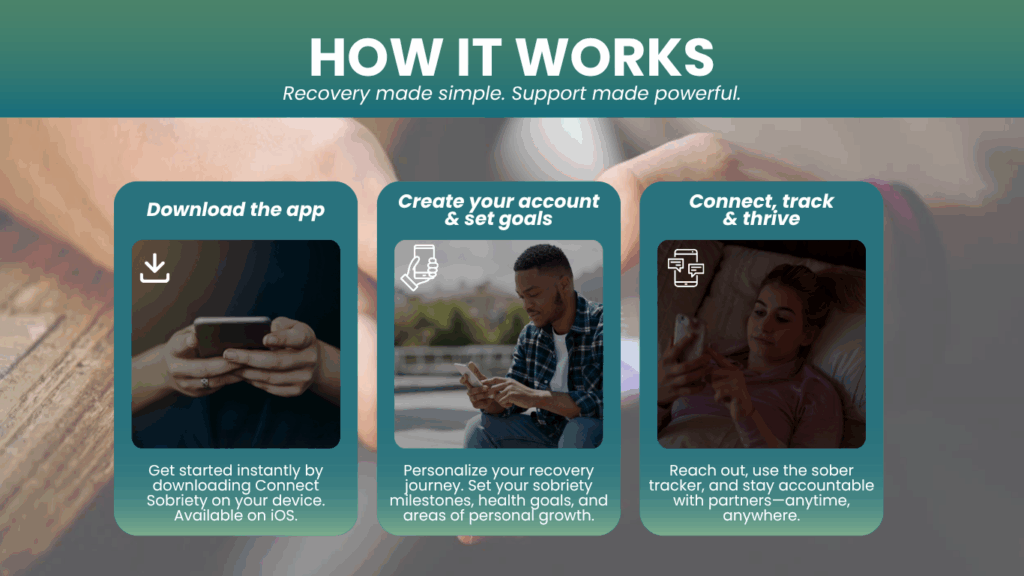
Many people find support through recovery tools like the Connect Sobriety app, which helps individuals stay focused on progress rather than comparison.
Why Recovery Changes How People View Time
During active addiction, many people spend years simply trying to survive emotionally, mentally, and physically. Personal goals, career development, relationships, education, and long-term planning often become secondary priorities.
Once recovery begins, people frequently look back and realize how much time passed during difficult periods of their lives.
This realization can create painful emotions.
Someone may regret missed opportunities, damaged relationships, financial difficulties, health problems, or goals that were never pursued.
According to the Substance Abuse and Mental Health Services Administration (SAMHSA), recovery involves improving overall health, wellness, and quality of life while building a meaningful future.
However, many individuals initially focus more on what they lost than on what they are currently gaining.
How Comparison Creates Emotional Frustration
One of the biggest reasons people feel behind is constant comparison.
For example, someone in recovery may compare themselves to:
• friends who own homes
• coworkers with successful careers
• family members who appear financially secure
• people on social media sharing achievements
• peers who seem emotionally confident
The problem is that comparisons rarely tell the full story.
Most people only see the highlights of other people’s lives. They rarely see private struggles, fears, setbacks, emotional pain, or personal challenges.
As a result, comparison often creates unrealistic standards that damage self-confidence.
Why Progress Often Feels Slower Than It Really Is
Many individuals fail to recognize how much growth has already occurred because recovery progress is often gradual.
For example, someone may now:
• communicate more honestly
• manage emotions more effectively
• maintain healthy routines
• avoid destructive behaviors
• rebuild trust with loved ones
• handle stress more constructively
• improve physical health
These changes may not feel dramatic day to day.
However, over months and years, they often represent extraordinary personal growth.
Many people underestimate progress simply because it happened gradually.
How Regret Keeps People Focused On The Past
Regret can become a powerful emotional obstacle during recovery.
For example, someone may constantly think about:
• years lost to addiction
• financial mistakes
• damaged relationships
• educational opportunities missed
• career setbacks
While reflection can be helpful, excessive focus on the past often creates emotional paralysis.
The reality is that no amount of regret can change what has already happened.
Recovery becomes healthier when individuals focus more energy on present growth than on permanent self-punishment.
The National Institute of Mental Health (NIMH) explains that emotional wellness often improves when people develop healthier coping skills, emotional awareness, and realistic thinking patterns.
Why Social Media Makes Recovery Harder Sometimes
Modern social media often increases feelings of being behind in life.
For example, someone may spend hours viewing posts about vacations, relationships, promotions, purchases, and achievements.
Eventually, they begin believing everyone else is progressing faster.
What social media rarely shows are:
• personal struggles
• emotional stress
• financial pressure
• relationship challenges
• mental health difficulties
Many individuals compare their entire reality to someone else’s carefully selected highlights.
This often creates unnecessary discouragement.
How Recovery Creates Different Timelines For Everyone
One important truth many individuals eventually learn is that recovery timelines are unique.
Some people rebuild quickly.
Others require more time.
Some face additional challenges involving health, finances, family responsibilities, or mental health concerns.
No two recovery journeys are identical.
Judging personal progress according to someone else’s timeline often creates unrealistic expectations.
Recovery becomes healthier when individuals focus on consistent improvement rather than speed.
Why Small Wins Deserve Recognition
Many individuals overlook victories because they seem too small.
For example:
• getting through a stressful week sober
• attending a recovery meeting
• improving communication
• exercising regularly
• maintaining healthier routines
• setting healthy boundaries
• asking for support when needed
These achievements matter.
Long-term recovery is usually built through hundreds of small victories rather than one dramatic breakthrough.
Recognizing these wins often improves confidence and motivation significantly.
How Self-Compassion Improves Recovery
Many individuals treat themselves more harshly than they would treat anyone else.
For example, someone may constantly criticize personal progress while encouraging others facing similar challenges.
Self-compassion helps create emotional balance.
It allows individuals to acknowledge mistakes without becoming trapped by them.
Self-compassion does not remove accountability.
Instead, it encourages healthier growth by reducing unnecessary shame and self-criticism.
Why Focusing On The Present Supports Growth
Many people become emotionally overwhelmed because they constantly focus on future goals or past regrets.
The present moment often receives very little attention.
For example, someone may ignore today’s progress because they are worried about where they want to be five years from now.
However, long-term growth is built through daily actions.
Small healthy choices repeated consistently often create remarkable results over time.
This is why many recovery professionals encourage focusing on manageable daily progress.
How Healthy Habits Build Confidence
Confidence often grows through repeated action rather than positive thinking alone.
For example:
• maintaining routines
• exercising consistently
• attending recovery meetings
• practicing mindfulness
• improving sleep habits
• building healthier relationships
These habits create evidence of personal growth.
Many individuals strengthen these routines through recovery support available on Connect Sobriety and educational guidance from the Recovery Blog Resources page.
Over time, confidence often develops naturally as individuals witness their own progress.
Why Support Systems Matter During Discouraging Periods
Recovery often becomes more manageable when people remain connected to supportive environments.
Support systems provide encouragement, accountability, perspective, and reminders of progress that individuals sometimes overlook.
The Centers for Disease Control and Prevention (CDC) emphasizes the importance of social connection and emotional support for mental well-being.
Healthy support networks often help people remain motivated during difficult emotional periods.
Common Signs Someone Feels Behind In Recovery
Some common signs include:
• constant comparison
• excessive regret
• frustration about progress
• difficulty celebrating achievements
• low self-confidence
• emotional discouragement
• focusing only on shortcomings
• unrealistic expectations
Recognizing these patterns often helps individuals develop healthier emotional awareness.
Why Recovery Is Not A Race
One of the most important lessons many individuals eventually learn is that recovery is not a competition.
There is no universal timeline that determines success.
Every individual faces different challenges, experiences, and circumstances.
What matters most is continued progress.
Some days, progress may feel slow.
Some seasons may feel frustrating.
That does not erase growth.
Long-term recovery is usually strengthened through patience, consistency, emotional awareness, healthy habits, supportive relationships, and realistic expectations.
Because success is not measured by how quickly someone rebuilds their life.
It is measured by the willingness to continue moving forward one day at a time.
And over time, many individuals discover that they were never truly behind—they were simply rebuilding a life worth living at their own pace.