
You were doing fine.
Maybe even better than fine.
Your routine was stable. Your mind felt clearer. You were finally starting to believe that addiction recovery was actually working.
Then one bad day happened.
Maybe you got overwhelmed.
Maybe you argued with someone.
Maybe your emotions hit harder than expected.
And suddenly, your brain started saying things like:
“See? Nothing changed.”
“You’re still struggling.”
“You’re going backwards.”
This is one of the most dangerous mental traps in addiction recovery.
Not because the bad day itself is dangerous.
But because of the meaning people attach to it.
One difficult day does not erase your progress.
One emotional moment does not destroy your growth.
And one setback in your mood does not mean you are failing.
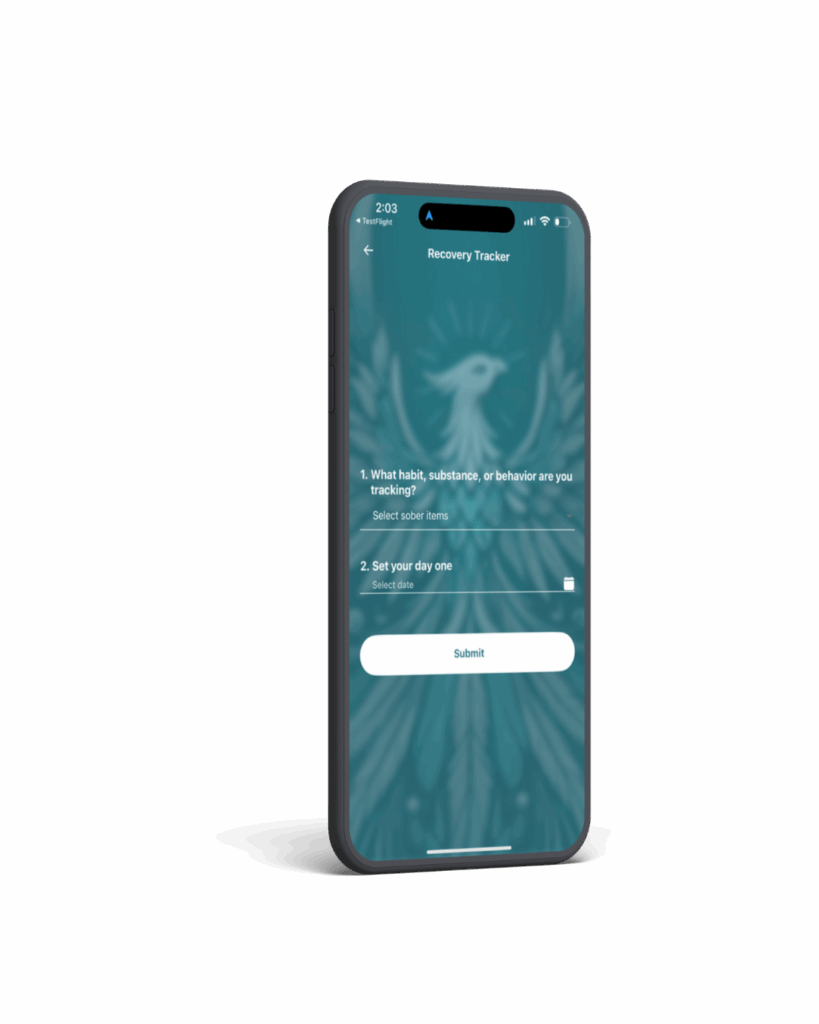
Most people don’t realize how important this mindset shift is. That’s why many individuals stay connected through the Connect Sobriety app, where they can track their growth even on difficult days and remind themselves that progress is not perfection.
The Problem Is Not the Bad Day — It’s the Story You Tell Yourself About It
Let’s be honest.
Bad days happen to everyone.
Mentally strong people.
Even people who are healing.
Even people who have been in addiction recovery for years.
The difference is this:
Some people experience a bad day and move through it.
Others experience a bad day and decide it means everything is falling apart.
That second reaction is where real damage begins.
According to the National Institutes of Health, negative self-interpretation during recovery increases emotional stress and can affect long-term consistency.
In simple words?
The way you think about the bad day matters more than the bad day itself.
Why Your Mind Becomes So Harsh During Recovery
This part surprises many people.
During addiction recovery, your mind becomes extremely sensitive to mistakes, emotional swings, and uncomfortable feelings.
Why?
Because your brain is still learning stability.
For example, one stressful moment can suddenly feel huge. Your brain starts acting like you are completely failing — even if you’re still doing better than before.
The American Psychological Association explains that recovery often includes periods of emotional overreaction and self-criticism.
This doesn’t mean you are weak.
It means your mind is still adjusting.
The “All or Nothing” Trap That Destroys Progress
This is where many people struggle.
They start thinking in extremes.
Either:
“I’m doing perfectly.”
Or:
“I’m failing completely.”
But recovery does not work that way.
You can have a difficult day and still be progressing.
You can feel overwhelmed and still be healing.
You can struggle emotionally and still be moving forward.
Most people don’t realize that growth often looks messy before it looks stable.
For example, someone might feel anxious one day after weeks of progress. That anxiety does not erase everything they built.
It’s just one moment.
Not the full story.
What Real Progress Actually Looks Like
Real progress is not constant motivation.
It’s not perfect emotions.
It’s not waking up every day feeling strong.
Real progress looks like this:
Feeling stressed… but not escaping.
Feeling emotional… but staying aware.
Having a hard day… but continuing anyway.
That’s real strength.
The National Institute on Drug Abuse highlights that long-term addiction recovery is built through consistency during difficult moments.
Not during easy ones.
The Moment You Stop Expecting Perfection Changes Everything
This is one of the biggest mindset shifts in addiction recovery.
You stop trying to feel perfect.
And you start focusing on staying consistent.
Because perfection creates pressure.
Consistency creates stability.
For example, someone who expects perfect emotional control will feel defeated after one difficult day.
But someone focused on consistency will think:
“Today was hard… but I’m still here.”
That mindset changes everything.
How to Handle a Bad Day Without Falling Apart
You do not need a dramatic reset.
You need calm awareness.
For example:
Instead of saying:
“Everything is ruined.”
Say:
“Today was difficult. Tomorrow is another chance.”
That sounds simple.
But it protects your progress.
You can build this type of emotional awareness through tools on Connect Sobriety and practical guidance from the Recovery Blog Resources page.
Daily Routine for Emotionally Difficult Days
Bad days need structure.
Not pressure.
Morning: Avoid overthinking the entire day before it begins.
Afternoon: Focus on one productive action, even if it’s small.
Evening: Reflect without attacking yourself mentally.
This keeps difficult emotions from turning into destructive behavior.
Using the Connect Sobriety app can help you track these emotional patterns and remind you that bad days are temporary.
What You Should Never Do After a Bad Day
This is important.
After a difficult day:
Don’t isolate yourself.
Don’t assume you lost all progress.
Don’t stop your routine completely.
The Centers for Disease Control and Prevention explains that emotional isolation increases mental stress and negative thinking patterns.
Bad days become dangerous when you disconnect completely.
A Real Situation You Might Recognize
Imagine someone in addiction recovery who has been doing well for months.
Then suddenly, they have one overwhelming day.
Stress hits hard.
Emotionally, they feel drained.
And instantly, their brain says:
“You’re back at the beginning.”
But they’re not.
They’re just human.
Instead of giving up, they continue their routine the next day.
That decision matters more than the bad day itself.
Why Comparison Makes Everything Worse
This is another trap people fall into.
They compare their hard days to someone else’s “perfect” recovery.
But you are only seeing the outside of someone else’s journey.
You are not seeing their difficult moments, doubts, or emotional struggles.
Comparison creates unnecessary pressure.
Your journey does not need to look like someone else’s to be valid.
Support Becomes More Important on Hard Days
Many people think they should isolate when they feel emotionally low.
That’s usually the exact opposite of what they need.
Sometimes one conversation can completely shift your mindset.
You can reach out through the Contact Us page or learn more about the mission behind recovery support on the About Us page.
Connection reminds you that difficult days are survivable.
Common Mistakes People Make After a Hard Day
One mistake is assuming progress is gone.
Another is emotionally punishing yourself for struggling.
Some people also stop their healthy habits completely after one difficult moment.
This creates a cycle of emotional instability.
One hard day should not control your future.
Pro Tips for Staying Mentally Stable During Tough Moments
Focus on consistency, not perfection.
Keep your routine simple during emotional days.
Do not believe every negative thought immediately.
Your emotions are temporary.
Your progress is still real.
Emotional Support and Recovery
If you are struggling emotionally right now, you are not failing.
You are experiencing a normal part of addiction recovery that many people silently go through.
You can also support others who are struggling. Sometimes helping someone else through a difficult day reminds you of your own strength.
Moving Forward After the Bad Day
You do not need to restart.
You do not need to panic.
You do not need to become perfect overnight.
You just need to continue.
Because addiction recovery is not about never having difficult days.
It’s about learning that difficult days no longer control your direction.
And that realization?
That is real progress.