
The Beginning of a New Chapter in Recovery
Recovery from addiction often begins with a powerful realization that life can be different. Many individuals who struggle with substance use feel trapped in cycles that seem impossible to escape. Yet every day people around the world begin new chapters of recovery and rediscover hope, purpose, and connection.
Rebuilding life after addiction is not about returning to the past. It is about creating a new future built on healthier choices, supportive relationships, and personal growth. Recovery gives individuals the opportunity to rediscover their values and rebuild their lives step by step.
For many people, connection with supportive communities makes this process easier. Being surrounded by others who understand recovery provides encouragement during difficult moments and motivation to keep moving forward.
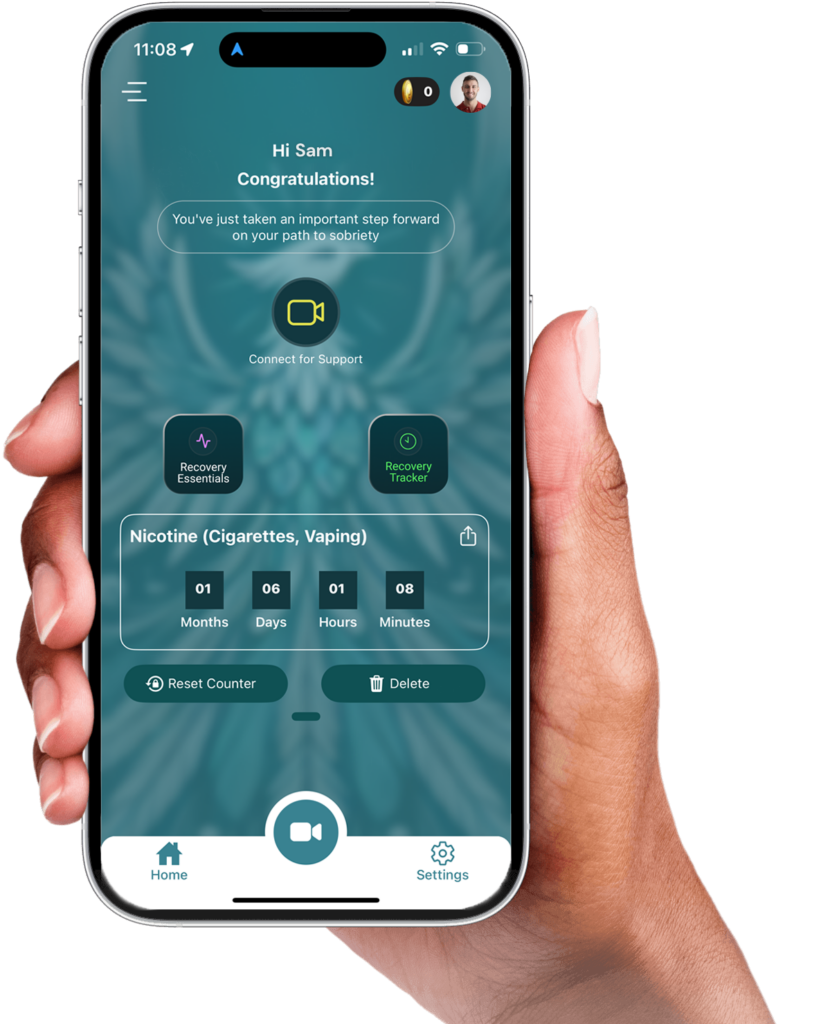
Platforms like Connect Sobriety help individuals find supportive connections and recovery focused conversations that strengthen sobriety.
If you are looking for a supportive community during your recovery journey, you can begin today by visiting download the Connect Sobriety app and connect with others who are committed to building healthier lives.
Understanding the Importance of Personal Growth in Recovery
Recovery is not only about avoiding substances. It is also about developing new perspectives and building a life that supports long term sobriety. Personal growth becomes a central part of the recovery journey.
Research from organizations such as NIH and NIDA highlights how addiction can affect brain chemistry, behavior, and emotional health. Recovery allows the brain and body to gradually heal while individuals learn healthier coping strategies.
Personal growth may include learning new skills, developing stronger emotional awareness, and building positive routines that support overall well being.
As individuals grow, they begin to see themselves in a new way. Recovery becomes a process of rediscovering strength and potential.
Developing Healthy Daily Routines
Healthy routines provide structure and stability during recovery. Many individuals who previously struggled with addiction experienced chaotic or unpredictable lifestyles. Establishing a daily routine can help create balance and consistency.
Simple habits such as waking up at a regular time, eating nutritious meals, exercising, and setting goals for the day can make a meaningful difference. These routines help individuals stay focused and reduce the risk of returning to old behaviors.
Information and recovery guidance available through the Connect Sobriety recovery blog resources page provides helpful insights for individuals working to build positive routines during sobriety.
Over time, healthy routines become natural parts of daily life and support long term recovery.
The Role of Emotional Healing in Recovery
Addiction often develops alongside emotional challenges such as stress, trauma, or anxiety. Recovery provides the opportunity to address these emotions and develop healthier ways of coping.
Organizations such as APA emphasize the importance of emotional awareness and mental health support during recovery. Talking openly about feelings and experiences can help individuals process difficult emotions and reduce the urge to return to substance use.
Emotional healing may involve counseling, peer support groups, journaling, or mindfulness practices. Each of these approaches helps individuals better understand themselves and build resilience.
As emotional strength grows, individuals often feel more confident navigating life’s challenges without substances.
Rebuilding Physical Health
Substance use can impact many aspects of physical health. Recovery offers an opportunity for the body to heal and regain strength. Caring for physical health often improves emotional well being as well.
Medical guidance from trusted institutions such as Mayo Clinic and public health information from CDC highlight the benefits of balanced nutrition, regular physical activity, and quality sleep.
Exercise can be especially helpful during recovery because it releases endorphins that improve mood and reduce stress. Many individuals find that physical activities such as walking, yoga, or strength training become valuable parts of their daily routine.
Improving physical health supports both mental clarity and emotional stability.
Learning to Navigate Triggers and Challenges
Triggers are situations or emotions that may remind individuals of past substance use. Learning to recognize and manage these triggers is an important part of recovery.
Public health organizations such as SAMHSA emphasize the importance of developing coping strategies that help individuals respond to challenges without returning to substance use.
These strategies may include practicing mindfulness, reaching out to supportive friends, engaging in hobbies, or taking time to reflect before reacting to stressful situations.
Each time individuals successfully navigate a challenging moment, their confidence in recovery becomes stronger.
The Value of Community Support
Recovery is often strengthened when individuals connect with others who understand the journey. Shared experiences provide encouragement and reassurance that lasting change is possible.
Peer support communities such as AA and NA have helped countless individuals maintain sobriety through mutual encouragement and shared wisdom.
Modern digital communities now make it easier for individuals to connect with supportive peers regardless of location. These connections allow individuals to share experiences, celebrate milestones, and find encouragement during difficult moments.
Being part of a supportive community reminds individuals that they are not alone in their recovery journey.
Rebuilding Relationships With Loved Ones
Addiction can strain relationships with family members and friends. Recovery provides an opportunity to rebuild trust and strengthen those connections over time.
This process often requires honesty, patience, and consistent effort. Individuals in recovery may work to repair relationships by demonstrating accountability and open communication.
As trust gradually returns, relationships can become stronger and more meaningful than before. Supportive loved ones often become important allies in maintaining long term sobriety.
Learning about the mission behind supportive recovery communities can help individuals understand the importance of connection. The Connect Sobriety about us page explains how the platform helps individuals find meaningful support.
Education and Awareness in Recovery
Education about addiction and recovery helps reduce stigma and encourages more compassionate responses within communities. Scientific research continues to expand our understanding of substance use disorders and effective recovery strategies.
Research available through PubMed provides valuable insights into addiction treatment and recovery outcomes. Global organizations such as WHO also emphasize the importance of awareness, prevention, and supportive communities.
When communities become more informed about addiction, they are better equipped to support individuals who are working toward recovery.
Moving Forward With Hope and Purpose
Recovery is a journey of transformation. Each step forward represents strength, courage, and determination. Individuals who commit to sobriety often discover new opportunities for growth and personal fulfillment.
If you are seeking encouragement and connection during your recovery journey, consider joining a supportive community focused on sobriety and personal growth. You can begin by visiting start connecting through the Connect Sobriety app.
If you have questions or would like additional information, you can also visit the Connect Sobriety contact page to reach out and learn more.
Recovery communities and nonprofit initiatives continue to grow because of compassionate individuals who believe in helping others. Donations, volunteering, and community involvement help expand educational outreach and support networks for those seeking recovery.
If you or someone you know is struggling with addiction, remember that reaching out for help is a powerful and courageous step. Recovery is possible, and supportive communities are ready to walk alongside those who choose a healthier future.