
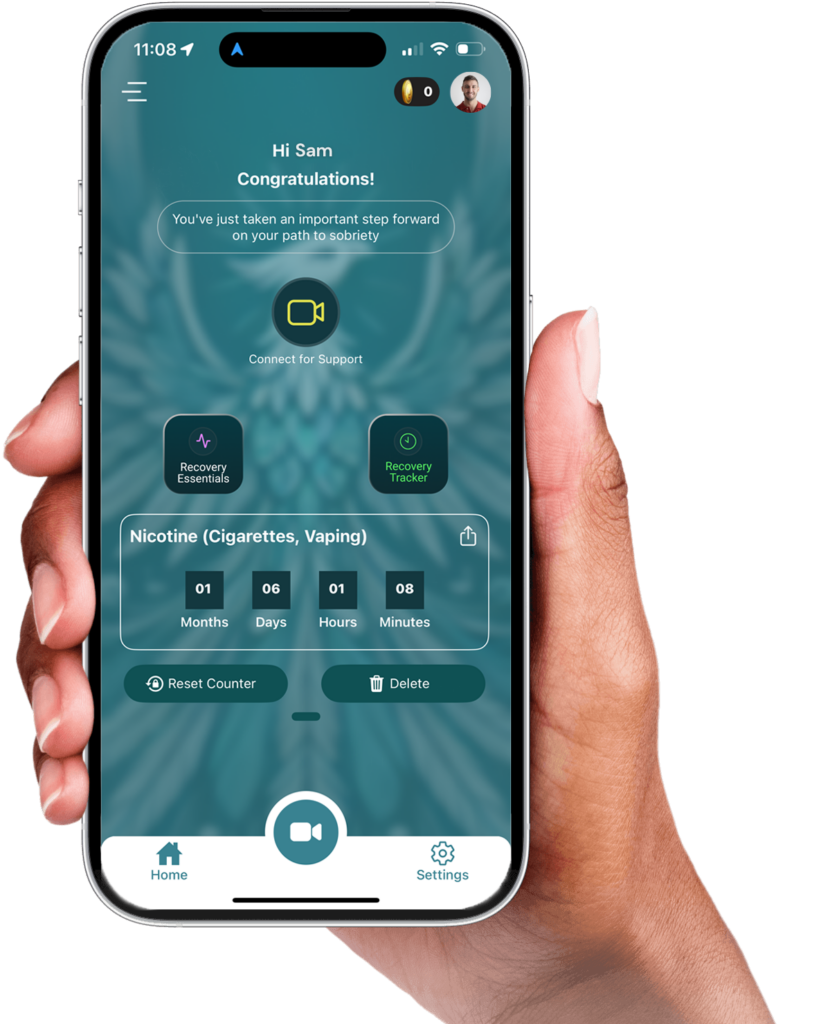
Rebuilding relationships in addiction recovery is one of the most emotional and meaningful parts of the healing journey. Addiction often damages trust, creates distance, and causes pain for both the individual and their loved ones. Recovery opens the door to repair those bonds, but it requires patience, honesty, and consistent effort. In the early stages, having guidance and support can make a huge difference, and many individuals find encouragement through the Connect Sobriety app, where connection and shared experiences help rebuild confidence.
Understanding the Impact of Addiction on Relationships
Addiction affects not only the individual but also everyone around them. It can lead to broken trust, communication issues, and emotional pain. According to the National Institutes of Health, substance use disorders often disrupt family dynamics and create long-term challenges in relationships. Recognizing this impact is the first step toward healing and rebuilding meaningful connections.
Taking Responsibility for Past Actions
One of the most important steps in rebuilding relationships is taking responsibility for past behaviors. This does not mean living in guilt, but rather acknowledging mistakes with honesty. Owning your actions shows maturity and a genuine desire to change. Resources on Recovery Blog Resources can help guide you through this process of self-reflection and accountability.
Practicing Honest and Open Communication
Communication is the foundation of any strong relationship. In recovery, it becomes even more important to be open and honest about your feelings, progress, and challenges. The American Psychological Association emphasizes that effective communication helps rebuild trust and strengthen emotional bonds over time.
Being Patient with the Healing Process
Rebuilding trust does not happen overnight. It takes time, consistency, and patience. Loved ones may need time to see real change before they fully trust again. The Mayo Clinic highlights that rebuilding relationships after addiction is a gradual process that requires commitment and understanding from both sides.
Setting Healthy Boundaries
Healthy boundaries are essential for maintaining balanced relationships. They protect both you and your loved ones from unhealthy patterns. Boundaries create a safe space where trust can grow again. You can learn more about creating supportive environments through Connect Sobriety and explore helpful insights on the FAQs page.
Rebuilding Trust Through Consistent Actions
Trust is rebuilt through actions, not just words. Showing up consistently, keeping promises, and demonstrating reliability are key factors in restoring confidence. The Centers for Disease Control and Prevention highlights the importance of consistent behavior in maintaining healthy relationships and mental well-being.
Managing Emotions During Difficult Conversations
Rebuilding relationships often involves difficult conversations about the past. Emotions can run high, and it is important to approach these discussions with calmness and understanding. Techniques like deep breathing and active listening can help you stay grounded. Research available on PubMed shows that emotional regulation improves communication outcomes.
Seeking Support from Recovery Communities
You do not have to rebuild relationships alone. Support groups and communities provide guidance, understanding, and encouragement. Organizations like Alcoholics Anonymous and Narcotics Anonymous offer spaces where individuals can share experiences and learn from others who have gone through similar challenges.
Reconnecting with Family Members
Family relationships are often deeply affected by addiction, but they can also be a powerful source of support in recovery. Reconnecting with family requires honesty, patience, and a willingness to rebuild trust over time. Learning about supportive approaches on the About Us page can provide insight into building meaningful connections.
Forgiving Yourself and Others
Forgiveness is a crucial part of healing. Holding onto guilt or resentment can slow down progress and create emotional barriers. According to the World Health Organization, forgiveness and emotional healing are important for overall mental well-being. Letting go does not mean forgetting, but it means choosing to move forward.
Building New, Healthy Relationships
Recovery is also an opportunity to build new relationships based on trust, respect, and shared values. Surrounding yourself with positive influences can strengthen your commitment to sobriety. You can explore tools that support connection and growth on the Features page.
Staying Connected Through Challenges
Even after rebuilding relationships, challenges will still arise. Staying connected and communicating openly during difficult times helps maintain strong bonds. Many individuals rely on the Connect Sobriety app to stay connected and receive encouragement when they need it most.
Growing Together Through Recovery
Recovery can bring people closer together. As you grow and change, your relationships can also evolve in positive ways. Shared experiences, honesty, and mutual support can create deeper and more meaningful connections than ever before.
Moving Forward With Hope
Rebuilding relationships in addiction recovery is a journey of patience, courage, and healing. Every step you take toward restoring trust and connection is a step toward a better future. If you feel unsure or overwhelmed, remember that help is always available. Reach out, ask for support, and stay connected. Consider getting involved in recovery communities or supporting others on their journey. Most importantly, continue moving forward with hope and strength by staying connected through the Connect Sobriety app.