
Understanding Isolation in Addiction Recovery
Addiction often leads individuals into isolation. Many people struggling with substance use gradually withdraw from family, friends, and supportive environments. Over time, this isolation can become a cycle where loneliness fuels substance use, and substance use deepens loneliness. When recovery begins, one of the most important steps is learning how to break that cycle and reconnect with others.
Overcoming isolation in addiction recovery is not always easy. It requires courage to open up, share experiences, and trust others again. However, connection is one of the most powerful tools for maintaining long term sobriety. When individuals feel understood and supported, they are more likely to stay committed to recovery and less likely to return to old habits.
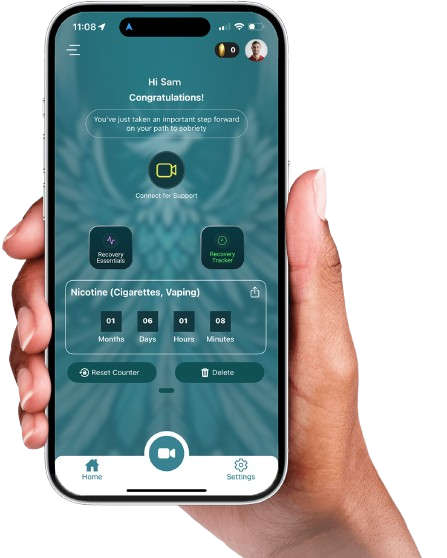
Supportive platforms like Connect Sobriety provide opportunities for individuals to connect with others who understand recovery. These connections help replace isolation with encouragement and shared strength.
If you are ready to take a step toward connection, you can begin by visiting download the Connect Sobriety app and join a community focused on recovery and support.
Why Isolation Can Be Dangerous During Recovery
Isolation can increase the risk of relapse. When individuals feel alone, they may struggle to manage stress, cravings, or emotional challenges without support. Without someone to talk to, small challenges can feel overwhelming.
Research from organizations such as NIH and NIDA highlights the importance of social connection in maintaining recovery. Human beings naturally seek connection, and when that need is unmet, it can negatively affect both mental and emotional health.
Understanding the impact of isolation helps individuals recognize why building connections is essential for long term sobriety.
Recognizing Signs of Isolation
Isolation does not always look the same for everyone. Some individuals may physically withdraw from others, while others may feel emotionally disconnected even when surrounded by people.
Common signs of isolation include avoiding social interactions, feeling misunderstood, or believing that no one can relate to personal experiences. These feelings can gradually weaken motivation and make recovery more difficult.
Organizations such as SAMHSA emphasize the importance of recognizing these signs early and taking steps to reconnect with supportive communities.
Awareness is the first step toward change. When individuals recognize isolation, they can begin seeking connection and support.
The Power of Peer Support
Peer support is one of the most effective ways to overcome isolation in addiction recovery. Connecting with individuals who have experienced similar challenges creates a sense of understanding and belonging.
Communities such as AA and NA have helped countless individuals build supportive relationships through shared experiences and mutual encouragement.
These connections provide reassurance that recovery is possible and that challenges can be overcome. When individuals support each other, they create an environment where growth and healing can thrive.
Additional insights and guidance can also be found on the Connect Sobriety recovery blog resources page.
Rebuilding Social Confidence
After experiencing isolation, reconnecting with others may feel uncomfortable at first. Some individuals may feel uncertain about how to communicate or worry about being judged.
Rebuilding social confidence takes time. Starting with small steps, such as having simple conversations or participating in supportive groups, can help individuals gradually feel more comfortable.
Practicing open and honest communication allows individuals to express their thoughts and emotions in healthy ways. Over time, these interactions help rebuild confidence and trust in relationships.
Developing Healthy Relationships
Not all relationships support recovery. It is important for individuals to build connections with people who encourage healthy choices and respect their commitment to sobriety.
Healthy relationships are based on trust, respect, and mutual support. These relationships provide encouragement during difficult moments and celebrate progress during positive ones.
Understanding the purpose behind supportive recovery communities can help individuals find meaningful connections. The Connect Sobriety about us page explains how the platform helps individuals build supportive networks.
When individuals surround themselves with positive influences, they create an environment that supports long term recovery.
Using Technology to Stay Connected
Technology has made it easier than ever to connect with others during recovery. Online communities and mobile platforms provide access to support at any time of day.
These platforms are especially helpful for individuals who may not have access to local support groups or who prefer connecting from the comfort of their own space.
If you are looking to build meaningful connections and overcome isolation in addiction recovery, you can begin by visiting connect with others through the Connect Sobriety app.
Digital communities provide opportunities to share experiences, seek advice, and offer encouragement to others who are on the same journey.
Improving Mental and Emotional Well Being
Connection plays a vital role in mental and emotional health. When individuals feel supported, they are better able to manage stress, process emotions, and stay focused on recovery.
Organizations such as APA emphasize the importance of social connection in maintaining mental health and emotional stability.
Building connections helps individuals feel valued and understood. This sense of belonging strengthens resilience and reduces the likelihood of returning to substance use.
Strengthening Physical and Emotional Balance
Physical health also contributes to emotional well being. Maintaining a healthy lifestyle supports both the body and the mind.
Guidance from institutions such as Mayo Clinic and public health recommendations from CDC highlight the importance of exercise, nutrition, and sleep.
When individuals feel physically well, they are more likely to engage socially and maintain a positive outlook. This balance supports long term recovery and overall well being.
Learning From Research and Awareness
Education helps individuals understand the importance of connection in recovery. Scientific studies continue to explore how social support impacts addiction recovery outcomes.
Research available through PubMed and global health insights from WHO highlight the importance of community involvement and supportive networks.
Learning about recovery strengthens awareness and encourages individuals to seek connection rather than isolation.
Moving Forward With Connection and Hope
Overcoming isolation in addiction recovery is a powerful step toward building a healthier and more fulfilling life. Connection brings strength, encouragement, and a sense of belonging that supports long term sobriety.
If you are ready to take a step toward connection and support, consider joining a community that understands your journey. You can begin by visiting start your recovery journey with Connect Sobriety.
If you would like to learn more or reach out for support, you can also visit the Connect Sobriety contact page.
Recovery communities continue to grow through compassion and shared experiences. Supporting these communities through volunteering, donations, or encouragement helps create a future where no one has to face recovery alone.