
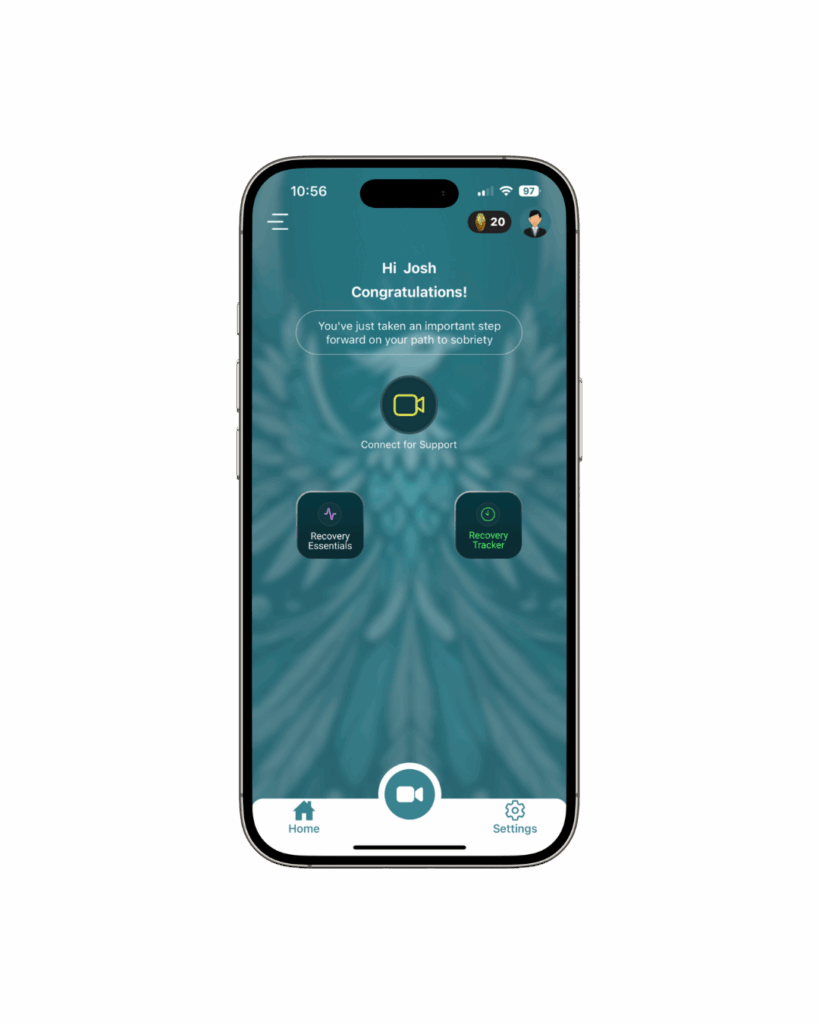
Overcoming addiction recovery challenges is one of the most powerful and life-changing journeys a person can experience. It is not just about quitting a substance or behavior; it is about rebuilding your identity, rediscovering your purpose, and learning how to live fully again. In the early stages, everything can feel overwhelming, but support and guidance can make all the difference. Many individuals find it helpful to connect with supportive communities like Connect Sobriety app, where they can share their experiences and find encouragement from others on the same path.
Understanding the Nature of Addiction
Addiction is not a sign of weakness or lack of willpower. It is a complex condition that affects both the brain and behavior. Scientific research from organizations like National Institute on Drug Abuse and National Institutes of Health shows that addiction alters brain chemistry, making it difficult to control impulses and decision-making. Understanding this helps individuals replace guilt with awareness, allowing them to approach recovery with compassion rather than shame.
The Emotional Weight of Early Recovery
The first phase of recovery often comes with intense emotions. Anxiety, sadness, anger, and even moments of emptiness are common. According to American Psychological Association, emotional fluctuations are part of the healing process as the brain adjusts to life without substances. Learning to sit with these emotions instead of escaping them is a crucial skill that strengthens resilience over time.
Building a Strong Support System
No one should go through recovery alone. Having a strong support system can significantly improve success rates. Whether it’s friends, family, or a community like Connect Sobriety, connection provides accountability and encouragement. You can also explore resources on the Recovery Blog Resources page to deepen your understanding and stay motivated throughout your journey.
Managing Cravings with Awareness
Cravings are one of the most challenging aspects of recovery. They can appear suddenly and feel overwhelming, but they are temporary. Research from Substance Abuse and Mental Health Services Administration shows that cravings often peak and pass within a short period. Learning techniques like deep breathing, distraction, and mindfulness can help you ride out these moments without giving in.
Creating Healthy Daily Habits
Replacing old habits with new, healthy routines is essential for long-term success. Simple actions like regular exercise, balanced nutrition, and consistent sleep patterns can improve mental and physical well-being. Health guidance from Centers for Disease Control and Prevention emphasizes the importance of routine in maintaining overall health, especially during recovery.
Rebuilding Relationships with Patience
Addiction can strain relationships, but recovery offers a chance to rebuild them. This process requires honesty, patience, and time. Open communication and consistent actions can help rebuild trust gradually. You can learn more about creating meaningful connections through the About Us page and understand the mission behind supportive recovery communities.
Finding Purpose Beyond Addiction
One of the most empowering parts of recovery is rediscovering purpose. Without substances, individuals often find new passions, hobbies, and goals. Whether it’s helping others, pursuing education, or developing creative skills, purpose provides motivation to stay on track. The World Health Organization highlights that purpose and mental well-being are closely connected.
Preventing Relapse Through Awareness
Relapse is not failure; it is a part of the learning process for many people. Understanding triggers and creating a plan to handle them can reduce the risk. Resources from Mayo Clinic suggest identifying high-risk situations and preparing coping strategies in advance. Staying informed through platforms like FAQs can also provide valuable guidance.
The Power of Community and Shared Experience
Connecting with others who understand your journey can be incredibly powerful. Groups like Alcoholics Anonymous and Narcotics Anonymous offer structured support, while digital platforms provide accessibility anytime. Joining a community can remind you that you are not alone and that recovery is possible.
Mindfulness and Mental Clarity
Mindfulness practices such as meditation, journaling, and breathing exercises can help you stay present. Research available on PubMed shows that mindfulness reduces stress and improves emotional regulation. These practices allow individuals to respond to challenges calmly rather than react impulsively.
Taking the Next Step in Your Recovery Journey
Recovery is not about perfection; it is about progress. Each day you choose sobriety, you are building a stronger, healthier future. Tools and resources are available to support you at every stage. Many individuals find ongoing motivation by using the Connect Sobriety app, where they can track progress, connect with others, and stay inspired.
Embracing Growth and Self-Discovery
As recovery progresses, self-discovery becomes a powerful theme. You begin to understand your values, strengths, and goals more clearly. This journey is not just about leaving addiction behind but about stepping into a new version of yourself. Exploring features on the Features page can help you find tools that support this transformation.
Moving Forward With Hope
Every step forward, no matter how small, is a victory. Recovery is a journey of courage, resilience, and hope. If you ever feel lost, remember that help is always available. Reach out, ask for support, and stay connected. Consider supporting recovery communities, getting involved, or even donating to help others on their path. Most importantly, never hesitate to seek help when you need it. Continue your journey with strength and encouragement by staying connected through the Connect Sobriety app.