
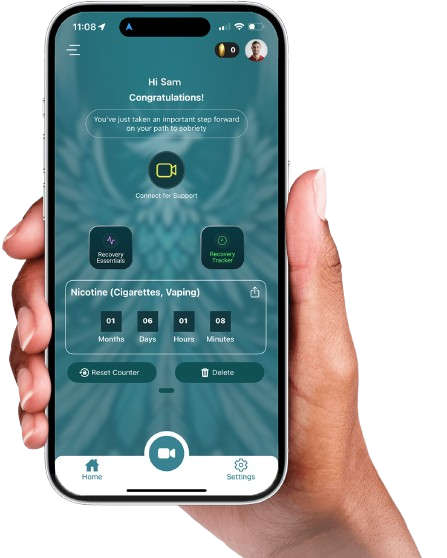
Managing triggers in addiction recovery is one of the most important skills you can develop on your journey to long-term sobriety. Triggers are situations, emotions, or environments that create the urge to return to old habits. They can appear unexpectedly and feel overwhelming, especially in the early stages of recovery. Learning how to recognize and manage these triggers can make the difference between staying on track and falling back into harmful patterns. Many individuals find daily support and guidance through tools like the Connect Sobriety app, where connection and encouragement are always available.
Understanding What Triggers Are
Triggers are anything that reminds you of past substance use and creates a desire to use again. These can include people, places, emotions, or even specific memories. According to the National Institute on Drug Abuse, triggers activate the brain’s reward system, making it difficult to resist cravings. Understanding what triggers are is the first step toward managing them effectively.
Identifying Your Personal Triggers
Every individual has unique triggers based on their experiences and environment. These might include stress, loneliness, certain social settings, or specific emotional states. Identifying your personal triggers allows you to prepare for them and develop strategies to handle them without turning to substances.
The Connection Between Emotions and Triggers
Emotions play a significant role in triggering cravings. Feelings such as anxiety, sadness, anger, or even boredom can increase the urge to use substances. Research from the American Psychological Association shows that emotional regulation is key to managing triggers and maintaining sobriety.
Creating a Plan to Handle Triggers
Having a plan in place can help you respond effectively when triggers arise. This might include calling a friend, engaging in a healthy activity, or removing yourself from a triggering situation. You can explore helpful strategies and resources through Connect Sobriety and gain insights from the Recovery Blog Resources page.
Using Mindfulness to Stay in Control
Mindfulness is a powerful tool for managing triggers. By staying present and observing your thoughts without judgment, you can prevent automatic reactions. Studies available on PubMed show that mindfulness improves emotional regulation and reduces impulsive behavior.
Building Healthy Coping Strategies
Healthy coping strategies are essential for dealing with triggers. Activities such as exercise, meditation, and journaling can help you process emotions and reduce stress. The Centers for Disease Control and Prevention emphasizes the importance of healthy habits in maintaining overall well-being.
Avoiding High-Risk Situations
In the early stages of recovery, it is important to avoid situations that may trigger cravings. This might include certain social gatherings or environments associated with past substance use. Creating a safe and supportive environment can help you stay focused on your recovery goals.
Building a Strong Support Network
Having a support network can make it easier to manage triggers. Friends, family, and recovery communities provide encouragement and accountability. You can learn more about building supportive relationships on the About Us page and reach out for help through the Contact Us page.
Learning from Recovery Programs
Structured programs like Alcoholics Anonymous and Narcotics Anonymous provide valuable tools for managing triggers. These programs offer guidance, support, and a sense of community that can help you stay on track.
Taking Care of Your Physical Health
Physical health plays a key role in managing triggers. Regular exercise, proper nutrition, and adequate sleep can improve your mood and reduce stress. The World Health Organization highlights the importance of overall well-being in maintaining a healthy lifestyle.
Recognizing Early Warning Signs
Triggers often come with early warning signs such as negative thinking, restlessness, or increased stress. Recognizing these signs allows you to take action before cravings become overwhelming. The Mayo Clinic suggests developing a plan to address these warning signs early.
Staying Connected Through Technology
Technology can provide immediate support when triggers arise. Many individuals rely on the Connect Sobriety app to stay connected, track their progress, and receive encouragement during challenging moments.
Building Confidence in Your Ability to Overcome Triggers
Each time you successfully manage a trigger, you build confidence in your ability to stay sober. This confidence strengthens your commitment and makes it easier to handle future challenges. Over time, managing triggers becomes a natural part of your recovery process.
Developing Long-Term Resilience
Managing triggers is not just about avoiding relapse; it is about building resilience. Learning to face challenges with strength and confidence helps you create a stable and fulfilling life. Resilience allows you to adapt to changes and continue growing.
Moving Forward With Hope
Managing triggers in addiction recovery is a journey of awareness, strength, and growth. Every time you face a challenge and choose a healthier path, you are building a stronger future for yourself. If you ever feel overwhelmed, remember that help is always available. Reach out, ask for support, and stay connected. Consider getting involved in recovery communities, supporting others, or contributing to meaningful causes. Most importantly, continue moving forward with hope and determination, and stay connected through the Connect Sobriety app to stay strong every day.