
How to build confidence in addiction recovery is something many people quietly struggle with. After going through addiction, it is common to feel doubt, guilt, or uncertainty about yourself. You may question your ability to stay sober, rebuild your life, or make the right decisions. These feelings are normal, but if they are not addressed, they can slow down your progress.
Confidence in addiction recovery is not about feeling perfect. It is about trusting yourself again, step by step. It is about believing you can handle challenges without reverting to old habits. The good news is that confidence is not something you are born with — it is something you build through consistent action and self-awareness.
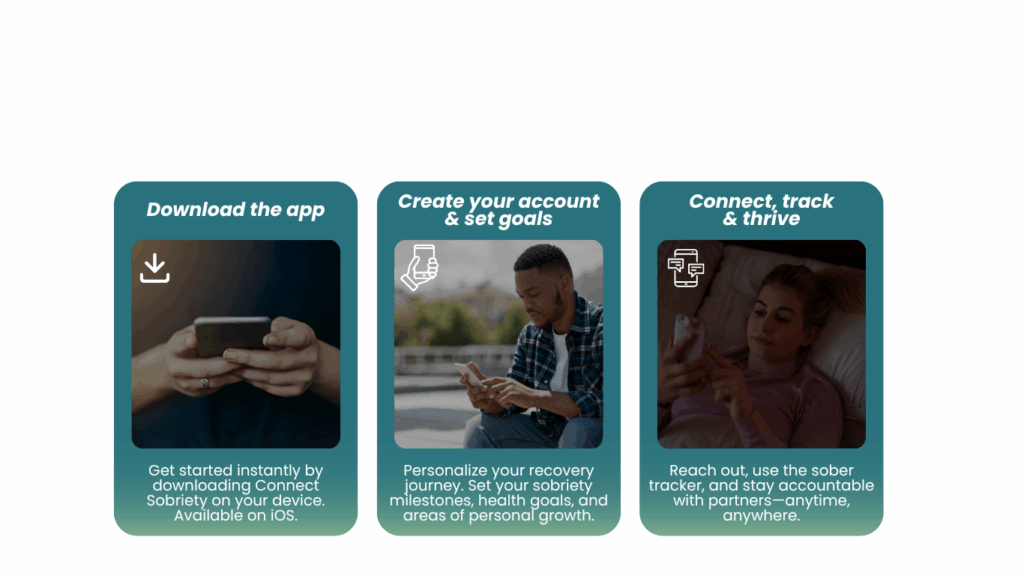
Many individuals strengthen their confidence by staying connected and supported through the Connect Sobriety app, where they can track progress, receive encouragement, and stay accountable every day.
Confidence in Addiction Recovery
Confidence is your belief in your ability to handle situations and make good decisions. In addiction recovery, this belief may feel weak at first, especially if you have experienced setbacks in the past.
Most people don’t realize that addiction often damages self-confidence. When someone struggles repeatedly, they may begin to believe they are not capable of change. This mindset can make recovery feel harder than it actually is.
According to the National Institutes of Health, building self-efficacy, or belief in your ability to succeed, is a key factor in long-term recovery.
For example, someone who once felt unable to control their habits may slowly regain confidence by making small, consistent changes. Each positive action becomes proof that change is possible.
Understanding confidence helps you focus on building it intentionally.
Why Confidence Is Important for Sobriety
Confidence plays a major role in maintaining sobriety. When you believe in yourself, you are more likely to make healthy decisions and stay committed to your goals.
For example, someone with strong confidence may face a stressful situation and think, “I can handle this.” In contrast, someone with low confidence may think, “I can’t deal with this,” which can lead to risky choices.
The American Psychological Association explains that self-confidence improves resilience and helps individuals cope with challenges.
Confidence does not remove difficulties, but it changes how you respond to them.
Starting with Small Wins
One of the best ways to build confidence is through small wins. These are simple, achievable actions that you complete daily.
For example, waking up on time, completing a task, or sticking to your routine are all small wins. Each time you follow through, you prove to yourself that you are capable.
Many people underestimate the power of these small actions. Over time, they build a strong sense of self-belief.
You can explore helpful tools and guidance on Connect Sobriety and learn more about recovery strategies on the Recovery Blog Resources page.
Small wins create momentum, and momentum builds confidence.
Replacing Negative Self-Talk
Negative self-talk can weaken your confidence. Thoughts like “I’m not strong enough” or “I will fail” can hold you back.
In addiction recovery, learning to change these thoughts is important.
For example, instead of saying “I can’t do this,” you can say “This is difficult, but I am learning.” This shift may seem small, but it changes how you feel and act.
Practicing positive thinking helps you build a healthier mindset.
Building a Daily Routine for Confidence
A structured routine helps you stay consistent and reinforces your confidence. When you follow your routine daily, you create a sense of control.
For example, someone who wakes up, exercises, works, and relaxes at set times will feel more stable.
You can build your routine using tools from the Features page and learn more about getting started on the Landing Page.
Consistency in your routine builds trust in yourself.
Facing Challenges Instead of Avoiding Them
Confidence grows when you face challenges instead of avoiding them. Each challenge you overcome strengthens your belief in yourself.
For example, someone who feels anxious about a situation might choose to face it step by step instead of avoiding it completely.
The Centers for Disease Control and Prevention highlights that facing challenges can improve mental resilience.
Even small challenges can help you grow stronger.
Tracking Your Progress to Build Confidence
Tracking your progress helps you see how far you have come. Many people focus only on what they have not achieved instead of recognizing their progress.
For example, someone who has stayed sober for a week may feel it is not enough. But tracking progress reminds them of their achievement.
You can track your journey using the Connect Sobriety app, which helps you stay motivated and accountable.
Seeing your progress reinforces your confidence.
Surrounding Yourself with Positive Support
The people around you can influence your confidence. Being around supportive individuals helps you feel encouraged and motivated.
For example, someone who regularly connects with a support group may feel more confident in their recovery journey.
You can learn more about building support systems on the About Us page or reach out through the Contact Us page.
Support helps you stay strong and focused.
Daily Routine for Building Confidence
Morning: Start your day with a positive mindset and clear goals.
Afternoon: Stay productive and complete small tasks.
Evening: Reflect on your progress and prepare for tomorrow.
Following this routine strengthens your confidence over time.
Common Mistakes to Avoid
One mistake is expecting confidence to appear instantly. Another is comparing your progress to others.
Some people also focus too much on past mistakes instead of future growth.
Avoiding these mistakes helps you build confidence steadily.
Building Confidence
Focus on small wins. Stay consistent. Practice positive thinking. Be patient with yourself.
These simple strategies can lead to powerful changes.
Emotional Support and Recovery
If you or someone you know needs help, support is available. Recovery is not something you have to face alone.
You can also support recovery efforts and help others who are on the same journey.
Moving Forward With Hope
How to build confidence in addiction recovery is a journey of growth and self-belief. Every step you take strengthens your ability to succeed.
Stay consistent, stay patient, and believe in yourself. You are capable of building a better future.