
Recovery from addiction is a journey that involves more than simply stopping substance use. It requires creating a meaningful life that supports stability, growth, and purpose. One of the most effective ways to build this life is through goal setting. Clear and realistic goals give individuals direction and motivation as they move forward in recovery. When people focus on achievable objectives, they gain confidence and develop a stronger commitment to sobriety. At Connect Sobriety, individuals are encouraged to develop positive goals that support both personal development and long term recovery.
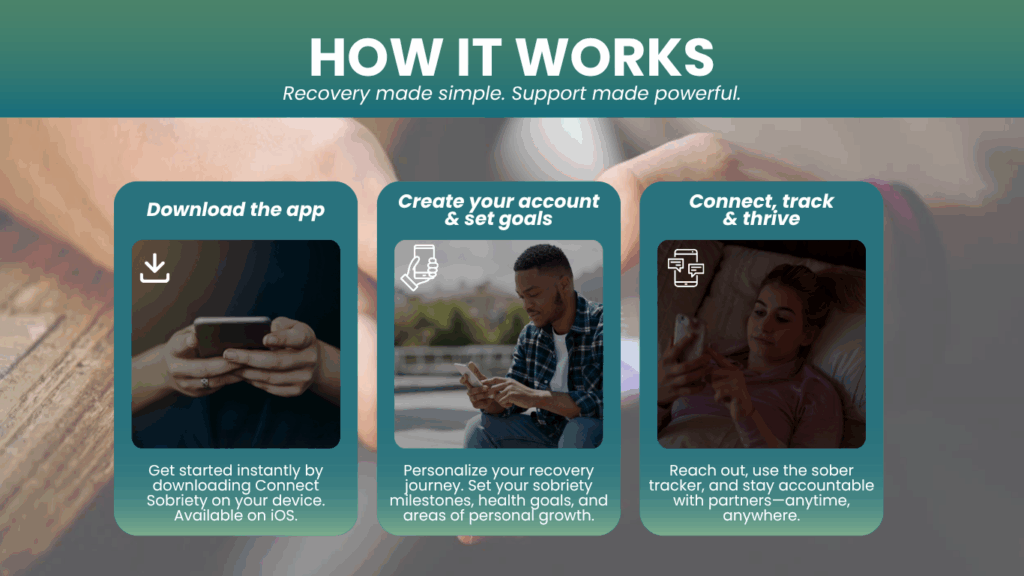
Goals provide a sense of structure and hope. Instead of focusing only on the challenges of addiction, individuals begin to focus on opportunities for growth and improvement. Many people strengthen their commitment to these goals by choosing to Download the Connect Sobriety App. Staying connected to supportive communities and recovery tools can make it easier to stay motivated and accountable each day.
Understanding the Importance of Goals in Recovery
During active addiction, life often becomes centered around obtaining and using substances. This focus can cause individuals to lose sight of personal ambitions and long term plans. According to the National Institute on Drug Abuse, substance use disorders affect brain circuits that influence motivation and decision making. Recovery involves rebuilding these systems by engaging in meaningful activities and positive goals.
The National Institutes of Health explains that individuals who develop structured plans for their future often experience stronger recovery outcomes. Goals create a sense of purpose and help individuals remain focused on positive progress.
Public health guidance from the Centers for Disease Control and Prevention and global research shared by the World Health Organization highlight the importance of lifestyle changes and long term planning in sustaining recovery. Goal setting fits naturally within these strategies because it encourages consistent personal growth.
Starting With Small and Achievable Goals
One of the most important principles of goal setting in recovery is starting small. Large goals can sometimes feel overwhelming, especially during early sobriety. Instead, individuals benefit from setting manageable objectives that can be accomplished step by step.
Programs such as Alcoholics Anonymous and Narcotics Anonymous often encourage individuals to focus on daily progress rather than long term perfection. Achieving small goals builds confidence and strengthens motivation.
Research available through PubMed shows that incremental progress is highly effective in behavior change. Each small success reinforces positive habits and strengthens commitment to recovery.
Setting Personal and Meaningful Objectives
Goals become more powerful when they are personally meaningful. Each individual’s recovery journey is unique, so goals should reflect personal values and interests. For some people, goals may involve rebuilding relationships with family members. For others, goals may focus on improving health, education, or career opportunities.
The American Psychological Association highlights that meaningful goals improve motivation and psychological wellbeing. When individuals work toward objectives that align with their values, they are more likely to remain committed.
Guidance from Mayo Clinic explains that setting clear goals helps individuals maintain emotional balance and focus. Structured plans reduce stress and improve decision making.
Creating a Plan for Success
Once goals are identified, it is important to create practical steps that lead toward achievement. This planning process helps individuals understand how to move forward without feeling overwhelmed.
The Substance Abuse and Mental Health Services Administration encourages individuals in recovery to develop action plans that include specific steps and timelines. These plans make progress easier to measure and celebrate.
Many individuals find that writing down their goals and tracking progress strengthens accountability. Staying connected to supportive communities can also help individuals maintain focus. Choosing to Download the Connect Sobriety App provides access to daily encouragement and accountability as goals evolve.
Overcoming Obstacles Along the Way
Every recovery journey includes challenges. Obstacles may appear in the form of stress, unexpected life events, or emotional setbacks. When these difficulties arise, individuals can use their goals as reminders of the positive future they are building.
Support networks play a critical role in overcoming obstacles. Encouragement from friends, family members, and recovery communities helps individuals remain focused during difficult moments.
Connect Sobriety offers supportive tools designed to encourage reflection and community interaction. Individuals can explore these features on the Features page to learn how digital support strengthens accountability.
If individuals have questions about recovery resources or strategies, the FAQs page provides helpful answers. For personal communication or additional guidance, they can also reach out through the Contact Us page.
Celebrating Progress and Growth
Recognizing achievements is an important part of maintaining motivation. Each completed goal represents growth and resilience. Celebrating these milestones reinforces the belief that change is possible.
Celebrations do not need to be large or dramatic. Simple acknowledgments of progress such as sharing success with supportive communities or reflecting on personal achievements can strengthen confidence.
Many individuals continue celebrating their progress by choosing to Download the Connect Sobriety App, where they can share milestones with others who understand the recovery journey.
Building a Future With Purpose
Goal setting transforms recovery from a process of avoidance into a journey of growth. Instead of focusing only on avoiding substances, individuals begin focusing on building meaningful lives.
Over time, these goals lead to improvements in health, relationships, career opportunities, and emotional wellbeing. Each step forward strengthens confidence and personal identity.
Maintaining Long Term Motivation
Recovery is a lifelong process, and goals may evolve over time. As individuals grow and develop new interests, their objectives may also change. Remaining open to new opportunities allows individuals to continue expanding their potential.
Staying connected to supportive communities and recovery tools ensures that motivation remains strong even during difficult periods. Consistent encouragement and accountability help individuals remain focused on their long term vision.
Moving Forward With Confidence and Hope
The path of addiction recovery is filled with opportunities for growth and transformation. Through thoughtful goal setting, individuals can create a future that reflects their values, strengths, and aspirations.
Each goal achieved becomes a reminder that progress is possible. With determination, supportive communities, and consistent effort, individuals can build lives that are stable, fulfilling, and free from substance dependence.
Recovery is not just about leaving the past behind. It is about moving forward with clarity, purpose, and confidence. By setting meaningful goals and remaining connected to supportive networks, individuals can continue building stronger and healthier futures.