
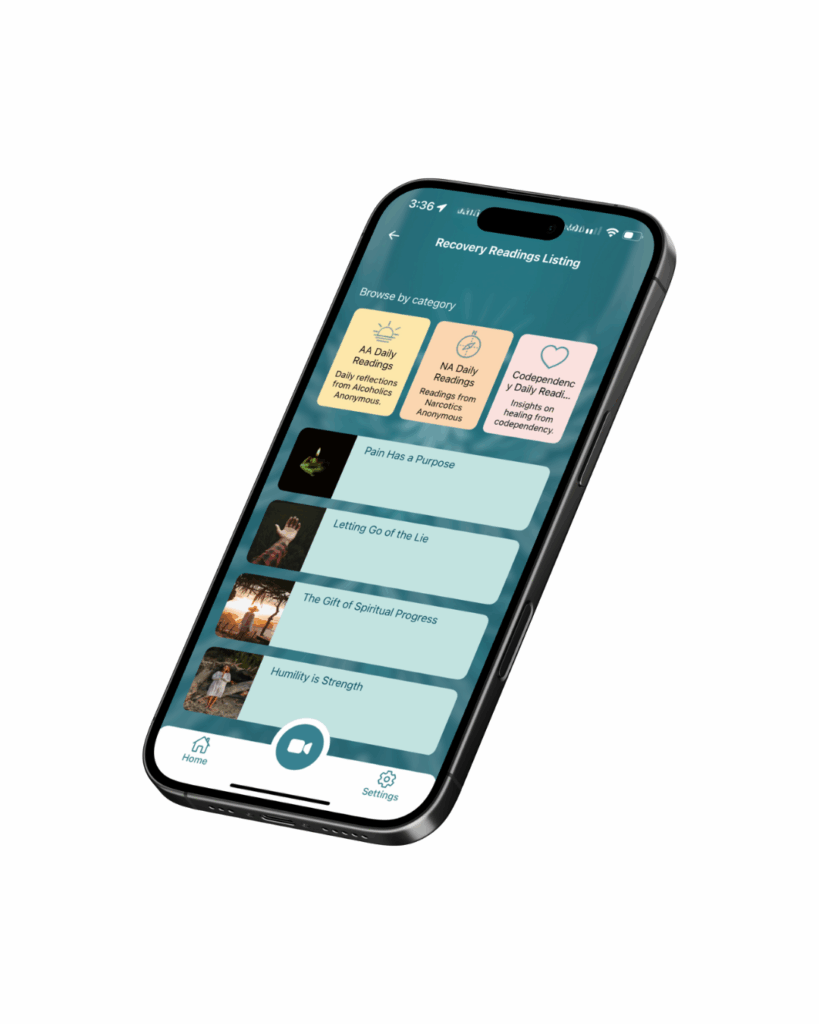
Developing a long-term sobriety mindset is one of the most important steps in addiction recovery. While early recovery focuses on breaking free from substances, long-term success depends on how you think, respond, and live every day moving forward. A strong mindset helps you stay committed even when life becomes challenging. It allows you to handle stress, manage cravings, and continue growing as a person. Recovery is not a temporary phase; it is a lifelong journey that requires consistency, awareness, and purpose. Many individuals stay motivated and connected through tools like the Connect Sobriety app, which provides support and encouragement at every stage.
Understanding the Sobriety Mindset
A sobriety mindset is the way you approach life after addiction. It involves shifting your thinking from short-term relief to long-term growth. According to the National Institutes of Health, long-term recovery requires changes in both behavior and mindset. This means developing new ways of thinking that support healthy choices and personal development.
Moving Beyond Short-Term Thinking
In addiction, decisions are often driven by immediate gratification. Recovery requires a shift toward long-term thinking. This means considering how your actions today will affect your future. Learning to delay gratification is a key part of maintaining sobriety.
Building Daily Awareness and Intention
Staying sober requires daily awareness of your thoughts, emotions, and actions. Starting each day with intention helps you stay focused on your goals. Creating a morning routine that includes reflection or planning can strengthen your mindset and keep you grounded.
Creating a Structured and Balanced Life
A structured life provides stability and reduces uncertainty. Building a routine that includes work, self-care, and meaningful activities helps you stay focused and productive. You can explore helpful tools and strategies through Connect Sobriety and gain insights from the Recovery Blog Resources page.
Managing Cravings with a Strong Mindset
Cravings are a natural part of recovery, but a strong mindset helps you handle them effectively. Instead of reacting impulsively, you learn to pause, reflect, and make healthier choices. Research from the National Institute on Drug Abuse shows that developing coping strategies can reduce the impact of cravings.
Developing Emotional Resilience
Emotional resilience is the ability to handle stress and challenges without losing focus. Recovery involves learning how to cope with difficult emotions in a healthy way. The American Psychological Association highlights that resilience is essential for long-term mental health and stability.
Replacing Old Habits with Positive Behaviors
Habits shape your daily life and influence your mindset. Replacing harmful habits with positive behaviors such as exercise, journaling, and mindfulness can support your recovery. The Centers for Disease Control and Prevention emphasizes the importance of healthy habits in maintaining overall well-being.
Staying Connected to a Support System
Connection is a key part of maintaining a sobriety mindset. Surrounding yourself with supportive individuals can provide encouragement and accountability. You can learn more about building supportive relationships on the About Us page and reach out for help through the Contact Us page.
Learning from Setbacks Without Losing Focus
Setbacks can happen, but they do not define your journey. A strong mindset allows you to learn from these experiences and continue moving forward. The Mayo Clinic suggests that resilience and adaptability are key to overcoming challenges.
Using Technology to Stay Motivated
Technology can provide constant support and motivation. Many individuals rely on the Connect Sobriety app to track their progress, connect with others, and stay inspired throughout their recovery journey.
Building Confidence Through Consistency
Confidence grows through consistent actions. Each day you choose sobriety, you reinforce your belief in yourself. This confidence becomes a powerful tool in maintaining long-term recovery.
Finding Purpose in Your Recovery Journey
Having a sense of purpose can strengthen your commitment to sobriety. Whether it is helping others, pursuing a passion, or building a meaningful life, purpose provides motivation and direction.
Maintaining Balance in All Areas of Life
Balance is essential for long-term success. Ensuring that you have time for work, relationships, and self-care helps you maintain a healthy lifestyle. The World Health Organization highlights the importance of balance in achieving overall well-being.
Practicing Gratitude and Positivity
Gratitude can shift your focus from challenges to opportunities. Taking time each day to reflect on what you are grateful for can improve your mindset and increase your motivation to stay sober.
Staying Committed to Lifelong Growth
Recovery is a lifelong journey of growth and self-improvement. Staying open to learning and evolving helps you maintain a strong mindset and continue building a better life.
Creating a Vision for Your Future
Having a clear vision of your future can guide your actions and keep you motivated. Imagine the life you want to build and take steps toward making it a reality. This vision serves as a constant reminder of why you chose recovery.
Moving Forward With Hope
Developing a long-term sobriety mindset is a journey of commitment, growth, and resilience. Every choice you make to stay on track brings you closer to a healthier and more fulfilling life. If you ever feel uncertain or overwhelmed, remember that help is always available. Reach out, ask for support, and stay connected. Consider getting involved in recovery communities, supporting others, or contributing to meaningful causes. Most importantly, continue moving forward with hope and determination, and stay connected through the Connect Sobriety app to keep your recovery strong every day.