
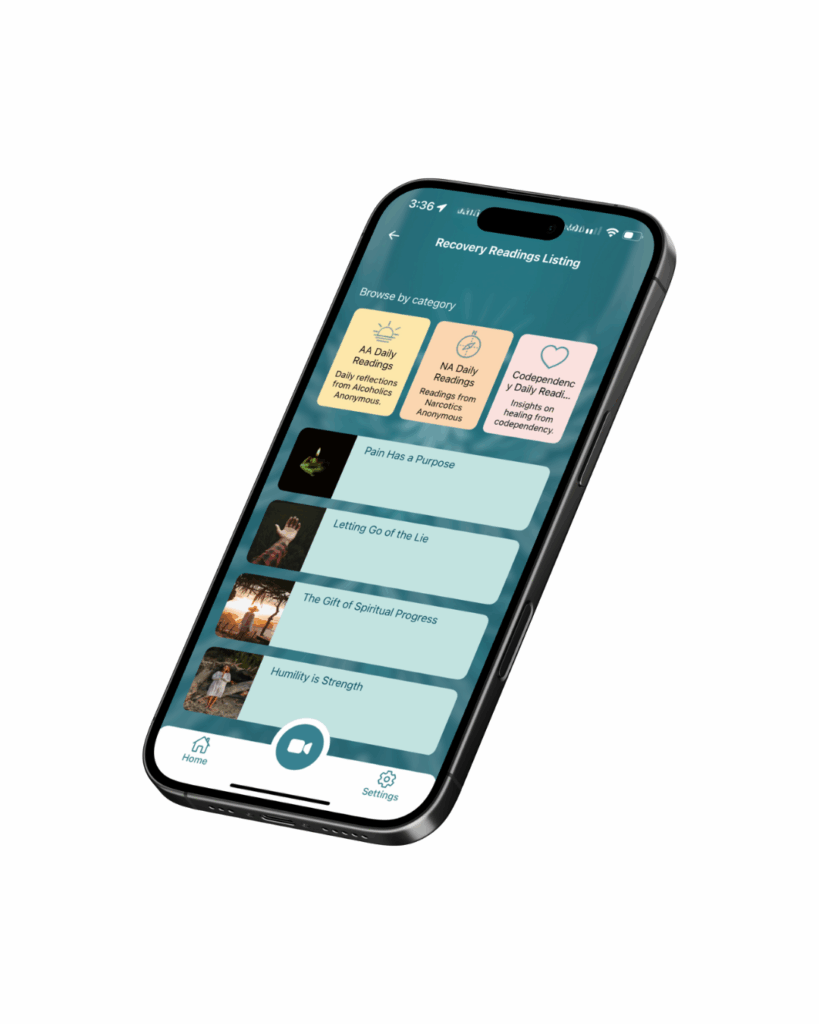
Developing emotional intelligence in addiction recovery is one of the most powerful ways to build a stable, meaningful, and lasting sober life. Emotional intelligence is the ability to understand, manage, and respond to your emotions in a healthy and productive way. During addiction, emotions are often suppressed, avoided, or expressed in harmful ways. Recovery offers an opportunity to reconnect with your emotions and learn how to use them as a source of strength rather than a trigger for relapse. Many individuals find guidance and support through tools like the Connect Sobriety app, where connection and encouragement are always available.
Understanding Emotional Intelligence in Recovery
Emotional intelligence involves recognizing your emotions, understanding their impact, and managing them effectively. In addiction recovery, this skill is essential because emotions can often trigger cravings or unhealthy behaviors. According to the National Institutes of Health, emotional awareness and regulation are key factors in maintaining long-term recovery.
Why Emotional Intelligence Matters
Emotional intelligence helps you respond to life’s challenges with clarity and control. Instead of reacting impulsively, you learn to pause and make thoughtful decisions. This ability can significantly reduce the risk of relapse and improve your overall well-being.
Recognizing Your Emotional Triggers
Emotional triggers are feelings or situations that lead to cravings or negative behaviors. Identifying these triggers allows you to prepare and respond in a healthier way. Awareness is the first step toward change.
Learning to Identify and Name Your Emotions
Many individuals in recovery struggle to identify what they are feeling. Learning to name your emotions helps you understand them better. Whether it is anger, sadness, fear, or joy, recognizing these emotions allows you to process them effectively.
Managing Emotions Without Avoidance
In addiction, emotions are often avoided through substance use. Recovery involves facing these emotions and learning how to manage them without escaping. This process may feel uncomfortable at first, but it is essential for long-term healing.
Developing Healthy Coping Strategies
Healthy coping strategies are essential for managing emotions. Activities such as exercise, meditation, and journaling can help you process your feelings in a constructive way. The Centers for Disease Control and Prevention emphasizes the importance of coping strategies in maintaining overall health.
Building Self-Awareness Through Reflection
Self-awareness is a key component of emotional intelligence. Taking time to reflect on your thoughts, actions, and emotions helps you understand patterns and make positive changes. You can explore helpful tools through Connect Sobriety and gain insights from the Recovery Blog Resources page.
Improving Communication Skills
Emotional intelligence improves your ability to communicate effectively. Expressing your feelings clearly and listening to others can strengthen your relationships and reduce misunderstandings. The American Psychological Association highlights the importance of communication in maintaining healthy relationships.
Building Empathy for Yourself and Others
Empathy allows you to understand and share the feelings of others. In recovery, it is also important to develop empathy for yourself. Treating yourself with kindness and understanding helps you build confidence and emotional strength.
Managing Stress and Anxiety Effectively
Stress and anxiety are common challenges in recovery. Emotional intelligence helps you recognize these feelings early and respond with healthy coping strategies. The World Health Organization emphasizes the importance of stress management in overall well-being.
Using Technology for Emotional Support
Technology can provide support and guidance whenever you need it. Many individuals rely on the Connect Sobriety app to stay connected, track their progress, and receive encouragement during challenging moments.
Learning from Emotional Setbacks
Emotional setbacks can happen, but they do not define your progress. Instead of feeling discouraged, use these experiences as opportunities to learn and grow. The Mayo Clinic suggests that resilience is built through overcoming challenges.
Building Confidence Through Emotional Control
As you develop emotional intelligence, you build confidence in your ability to handle difficult situations. This confidence reinforces your commitment to recovery and helps you stay focused on your goals.
Creating Healthy Relationships
Emotional intelligence plays a key role in building and maintaining healthy relationships. Understanding your emotions and the emotions of others helps you create connections based on trust and respect. You can learn more about building supportive relationships on the About Us page and reach out for support through the Contact Us page.
Practicing Mindfulness and Presence
Mindfulness helps you stay present and aware of your emotions. By focusing on the present moment, you can reduce stress and improve your ability to manage your feelings. Research available on PubMed shows that mindfulness improves emotional regulation.
Developing Long-Term Emotional Strength
Emotional intelligence is not built overnight; it is a continuous process of growth and learning. Each step you take toward understanding and managing your emotions strengthens your ability to maintain sobriety and build a fulfilling life.
Moving Forward With Hope
Developing emotional intelligence in addiction recovery is a journey of awareness, growth, and transformation. Every effort you make to understand yourself brings you closer to a healthier and more balanced life. If you ever feel overwhelmed, remember that help is always available. Reach out, ask for support, and stay connected. Consider getting involved in recovery communities, supporting others, or contributing to meaningful causes. You can also explore more about getting started through the Landing Page and review important guidelines on the Privacy Policy. Most importantly, continue moving forward with hope and determination, and stay connected through the Connect Sobriety app to strengthen your recovery every day.