
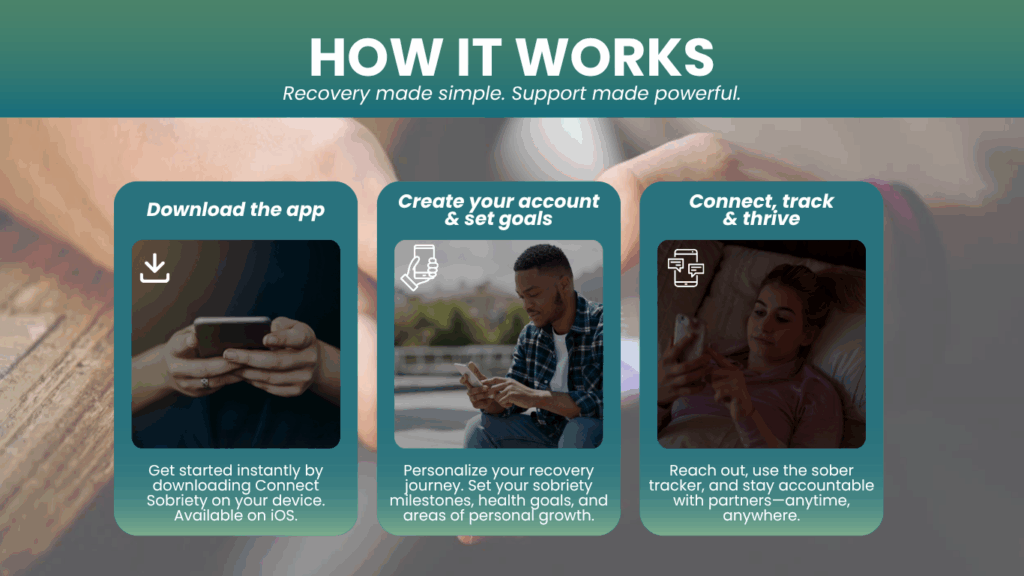
Creating a strong support system in addiction recovery is one of the most powerful ways to maintain sobriety and build a healthier, more stable life. Recovery is not meant to be a journey you take alone. The challenges, emotions, and changes that come with sobriety can feel overwhelming at times, but having people who understand and support you can make all the difference. Many individuals find daily encouragement, accountability, and connection through the Connect Sobriety app, where they can stay supported no matter where they are.
Why Support Systems Matter in Recovery
A strong support system provides emotional strength, guidance, and accountability. Addiction often leads to isolation, making it harder to maintain sobriety without external support. According to the Substance Abuse and Mental Health Services Administration, social support plays a crucial role in long-term recovery outcomes. Having people who encourage you and believe in your progress can help you stay motivated even during difficult times.
Understanding Different Types of Support
Support can come in many forms, including family, friends, mentors, and recovery communities. Each type of support plays a unique role in your journey. Emotional support helps you feel understood, while practical support can assist with daily challenges. Building a well-rounded support system ensures that you have help available in different areas of your life.
Reconnecting with Family Members
Family relationships may have been strained during addiction, but recovery provides an opportunity to rebuild those connections. Reconnecting with family requires honesty, patience, and consistent effort. You can learn more about supportive approaches on the About Us page and find guidance for rebuilding meaningful relationships.
Choosing Supportive Friends
Not all friendships are beneficial in recovery. It is important to surround yourself with people who respect your goals and encourage your growth. Supportive friends can provide companionship, understanding, and motivation, helping you stay focused on your recovery journey.
Joining Recovery Communities
Recovery communities offer a safe space to share experiences, gain insights, and receive encouragement. Groups like Alcoholics Anonymous and Narcotics Anonymous provide structured support and accountability. Online platforms like Connect Sobriety also offer accessible and flexible ways to stay connected.
Communicating Your Needs Clearly
Effective communication is essential for building strong relationships. Letting others know what you need, whether it is encouragement, understanding, or space, can help them support you better. The American Psychological Association emphasizes that clear communication strengthens relationships and reduces misunderstandings.
Setting Healthy Boundaries
Boundaries are an important part of maintaining a healthy support system. They protect your recovery and ensure that your relationships remain positive and supportive. Learning to say no and prioritizing your well-being can help you avoid situations that may lead to relapse.
Seeking Professional Support
In addition to personal relationships, professional support can be incredibly valuable. Therapists, counselors, and healthcare providers can offer guidance and tools to help you navigate recovery. The National Institutes of Health highlights the importance of professional care in treating addiction and supporting long-term recovery.
Staying Connected During Difficult Times
Recovery can be challenging, especially during stressful or emotional periods. Staying connected to your support system during these times can help you stay grounded and avoid relapse. Reaching out for help is a sign of strength, not weakness.
Using Technology to Stay Supported
Technology has made it easier than ever to stay connected. Digital tools and apps provide instant access to support, resources, and communities. Many individuals rely on the Connect Sobriety app to stay motivated, track their progress, and connect with others who understand their journey.
Building Trust Over Time
Trust is an important part of any support system, but it takes time to rebuild after addiction. Consistent actions, honesty, and reliability can help restore trust in your relationships. The Mayo Clinic suggests that patience and consistency are key factors in rebuilding trust.
Learning to Offer Support to Others
Recovery is not just about receiving support; it is also about giving it. Supporting others in their journey can strengthen your own commitment to sobriety. It creates a sense of purpose and reinforces the importance of staying on track.
Maintaining Balance in Relationships
While support is important, it is also essential to maintain balance. Healthy relationships involve mutual respect, understanding, and independence. Ensuring that your relationships are balanced can help prevent dependency and promote long-term stability.
Creating a Positive and Encouraging Environment
Your environment has a significant impact on your recovery. Surrounding yourself with positivity, encouragement, and healthy influences can make it easier to stay sober. The Centers for Disease Control and Prevention emphasizes the importance of supportive environments in promoting well-being.
Staying Committed to Growth and Connection
Building a strong support system is an ongoing process. It requires effort, communication, and a willingness to grow. As you continue your journey, your support system will evolve, becoming stronger and more meaningful over time.
Moving Forward With Hope
Creating a strong support system in addiction recovery is a powerful step toward a healthier and more fulfilling life. You do not have to face this journey alone. If you ever feel overwhelmed or uncertain, remember that help is always available. Reach out, ask for support, and stay connected. Consider getting involved in recovery communities, supporting others, or contributing to meaningful causes. Most importantly, keep moving forward with hope and determination, and continue your journey with the support of the Connect Sobriety app.