
One emotional experience many individuals quietly struggle with during addiction recovery is becoming uncomfortable with happiness, peace, or emotional stability after spending years living in emotional chaos. At first, this may sound confusing because most people assume recovery naturally makes happiness feel easier.
But for many individuals, emotional stability can actually feel unfamiliar, uncomfortable, or even emotionally unsafe during the healing process.
For example, someone may finally begin rebuilding routines, improving relationships, creating healthier habits, and feeling emotionally calmer overall. Yet instead of fully enjoying these positive changes, they may quietly begin feeling anxious, emotionally restless, or afraid that everything could suddenly fall apart again.
Many individuals begin thinking:
“What if this peace doesn’t last?”
“What if I ruin everything again?”
“Why does happiness sometimes make me nervous?”
These emotional reactions are far more common than many people realize during long-term recovery.
Many individuals wrongly assume these emotions mean something is wrong. In reality, emotional healing often includes learning how to feel emotionally safe inside healthier versions of life after spending years emotionally surviving in instability.
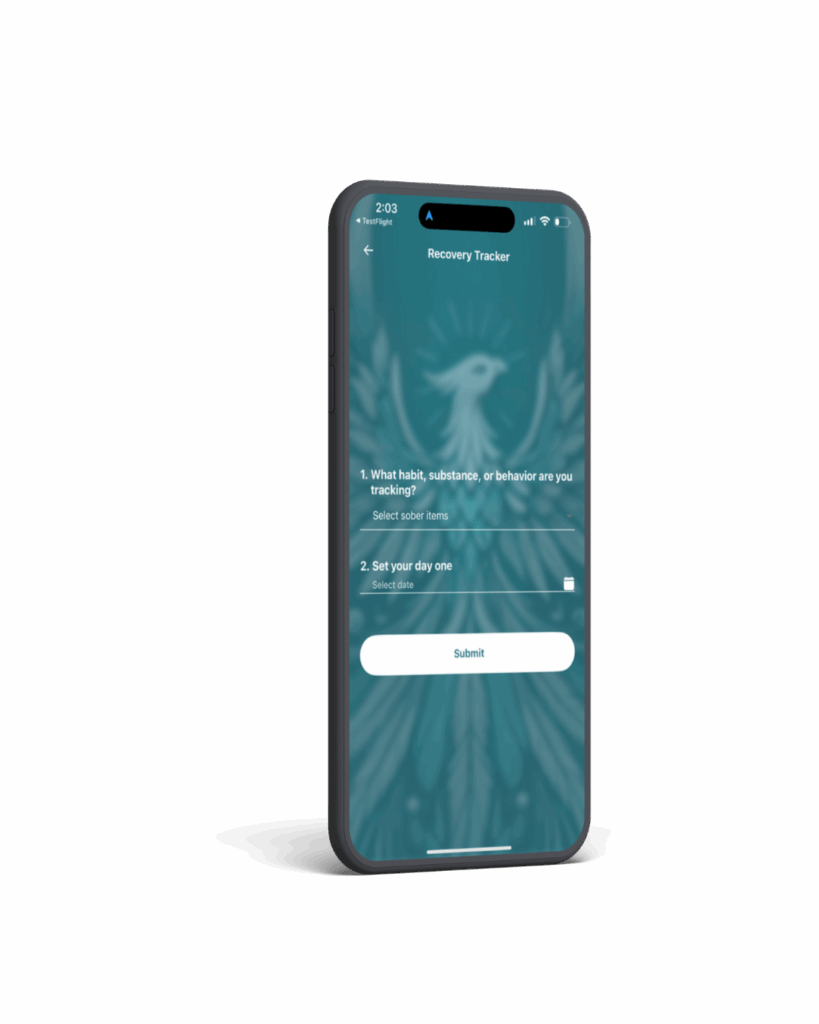
Many people manage these emotional transitions more effectively through supportive recovery systems like the Connect Sobriety app, where individuals can stay emotionally supported, connected, and grounded throughout recovery.
Why Emotional Stability Can Feel Unfamiliar
Many individuals underestimate how strongly long-term emotional environments affect the brain over time.
For example, someone who spent years surrounded by emotional stress, instability, unhealthy coping habits, relationship chaos, or constant emotional survival may unconsciously become emotionally familiar with those patterns.
During recovery, life often begins to become calmer, healthier, and more stable gradually.
But emotional calmness may initially feel unfamiliar simply because the mind spent years adapting to emotional chaos instead.
This does not mean someone wants suffering.
It often means the brain is still adjusting to emotional safety and healthier emotional patterns.
According to the Substance Abuse and Mental Health Services Administration (SAMHSA), recovery involves rebuilding emotional wellness, coping systems, purpose, and healthier life stability over time.
This emotional adjustment process naturally takes patience.
Why Fear of Losing Progress Creates Anxiety
Many individuals become emotionally anxious during positive periods of recovery because they fear losing the progress they worked extremely hard to build.
For example, someone may finally rebuild trust with family, improve emotional health, maintain sobriety consistently, or stabilize work life. Instead of fully relaxing emotionally, they may begin constantly worrying about future failure.
Thoughts like:
“What if I mess this up again?”
“What if everything eventually falls apart?”
“What if people stop trusting me again?”
These fears often create emotional pressure even during successful periods of recovery.
The problem is that many individuals begin emotionally preparing for disaster instead of allowing themselves to experience healthy progress peacefully.
How Past Pain Affects Emotional Safety
Past emotional pain often affects how safe happiness feels during recovery.
For example, someone who experienced repeated disappointment, emotional instability, broken trust, or painful setbacks may eventually become emotionally cautious about feeling too hopeful or emotionally relaxed.
Part of the mind may begin believing:
“If I stay emotionally guarded, maybe disappointment will hurt less later.”
This emotional defense mechanism is extremely common.
Unfortunately, constant emotional guarding often prevents people from fully experiencing emotional peace even when life genuinely improves.
The National Institute of Mental Health (NIMH) explains that emotional healing often requires rebuilding emotional regulation, healthier thinking patterns, and long-term emotional resilience.
This means emotional safety often develops gradually rather than instantly.
Why Some People Feel More Comfortable in Emotional Chaos
One difficult reality many individuals eventually recognize is that emotional chaos can become emotionally familiar after long periods of instability.
For example, someone may unconsciously feel emotionally restless during calm periods because stress, urgency, or emotional unpredictability have become normal parts of daily life previously.
During recovery, peaceful routines may initially feel emotionally strange.
Some individuals even begin unintentionally creating emotional stress simply because calmness feels unfamiliar internally.
This emotional pattern does not mean someone secretly wants suffering.
It usually means emotional adjustment is still happening.
How Overthinking Prevents Emotional Peace
Overthinking often becomes one of the biggest reasons many people struggle to fully enjoy positive recovery progress.
For example, someone may constantly analyze their emotions, future, relationships, routines, or personal stability instead of allowing themselves to experience peaceful moments naturally.
Over time, this mental pressure creates emotional exhaustion.
The mind becomes so focused on preventing future problems that it struggles to stay emotionally present during healthy moments.
Many individuals eventually realize that constant emotional fear does not actually protect recovery. Instead, it often increases emotional stress unnecessarily.
Why Emotional Healing Requires Learning New Patterns
Long-term recovery often requires learning emotional habits that were never fully developed previously.
For example, someone may need to learn:
• how to feel emotionally safe without chaos
• how to trust personal progress gradually
• how to experience happiness without fear
• how to manage stress without emotional escape
• how to emotionally relax without guilt
These emotional skills often take time to develop.
Many people become frustrated because they expect emotional healing to happen automatically once sobriety begins. But emotional rebuilding usually continues much longer than physical recovery.
How Healthy Routines Create Emotional Stability
Consistent healthy routines often help individuals feel emotionally safer during recovery.
For example, stable sleep schedules, exercise, emotional awareness, healthy communication, balanced schedules, mindfulness practices, and supportive recovery systems often improve emotional regulation over time.
Small routines quietly strengthen emotional resilience.
Many individuals strengthen these routines through recovery support available on Connect Sobriety and educational guidance from the Recovery Blog Resources page.
Consistency often helps people slowly become emotionally more comfortable with stability and peace.
Why Emotional Patience Is So Important
Many individuals become discouraged because emotional comfort takes longer to develop than expected.
For example, someone may become frustrated because they still feel emotionally anxious or emotionally guarded even after making significant life improvements.
But emotional healing usually happens gradually.
The brain often needs long periods of repeated emotional safety before calmness begins to feel fully natural again.
This process cannot usually be rushed.
Patience becomes one of the most important emotional skills during recovery.
Why Support Systems Help Reduce Emotional Fear
Supportive environments often help individuals feel emotionally safer while adjusting to healthier lifestyles and emotional growth.
For example, emotionally supportive people often remind individuals that progress does not need to feel perfect in order to remain real.
Support systems also help people remain emotionally grounded during periods of anxiety, self-doubt, or emotional overwhelm.
The Centers for Disease Control and Prevention (CDC) explains that emotional support and healthy social connections strongly affect emotional wellness and long-term resilience.
This is why emotional connection remains important throughout long-term recovery.
Common Signs Someone Feels Emotionally Unsafe With Happiness
Many individuals fail to recognize these emotional patterns early.
Some common signs include:
• fear of future failure during positive moments
• emotional restlessness during peaceful periods
• difficulty relaxing emotionally
• overthinking personal progress constantly
• expecting disaster even when life improves
• emotional guilt during happiness
• self-sabotaging healthy routines or relationships
Recognizing these emotional patterns often helps people develop healthier emotional awareness during recovery.
Support Systems Help Recovery Feel Emotionally Safer
Addiction recovery often becomes emotionally healthier when people remain connected to supportive environments during difficult emotional periods.
You can learn more about supportive recovery communities through the About Us page or connect directly through the Contact Us page.
Healthy support systems often help individuals feel emotionally grounded while adjusting to healthier emotional patterns during recovery.
Moving Forward Without Being Afraid of Peace
Feeling emotionally uncomfortable with happiness during recovery does not automatically mean something is wrong.
In many cases, it simply means emotional healing is still teaching the mind how to feel safe inside stability instead of chaos.
Some emotional fear will naturally appear sometimes.
Some emotionally uncertain moments will still happen.
That does not erase progress.
Long-term recovery is usually strengthened through patience, emotional honesty, healthy routines, supportive connections, and repeated emotional safety over time.
Healing is not only about escaping destructive behaviors.
Sometimes healing also means learning how to peacefully accept happiness without constantly waiting for everything to fall apart again.
And over time, many individuals eventually realize that emotional peace is not something they need to fear — it is something they slowly learn they are finally allowed to keep.