
One experience many individuals quietly struggle with during addiction recovery is feeling emotionally overwhelmed during moments of silence, rest, or emotional stillness. Many people expect recovery to feel calmer once destructive habits and constant chaos begin disappearing from daily life.
Instead, some individuals suddenly feel emotionally uncomfortable when life becomes quieter.
This experience often feels confusing because someone may finally be improving physically, emotionally, and mentally while still struggling internally during peaceful moments.
For example, someone may feel emotionally distracted all day through work, responsibilities, social interaction, or busy routines. But once they sit alone quietly at night, overwhelming thoughts, emotional stress, anxiety, regrets, or emotional discomfort suddenly become much stronger.
Many individuals wrongly assume these emotions mean recovery is failing. In reality, emotional stillness often allows unresolved thoughts and emotions to surface more clearly for the first time in years.
During active addiction, many people spend long periods avoiding emotional discomfort through constant distraction, unhealthy coping systems, emotional escape, or destructive habits.
Recovery often removes those distractions, which means emotional awareness naturally becomes stronger.
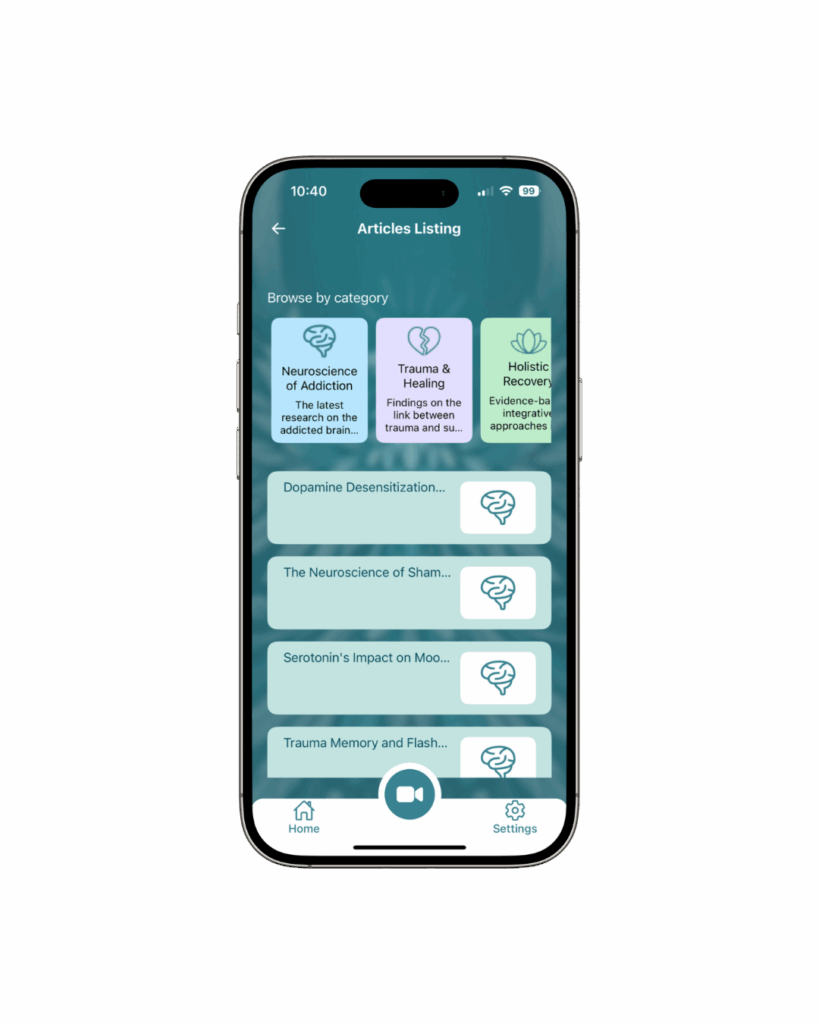
Many individuals manage these emotionally difficult periods more effectively through supportive recovery systems like the Connect Sobriety app, where people can stay emotionally connected, supported, and accountable during challenging moments of recovery.
Why Silence Feels Emotionally Uncomfortable During Recovery
Many people underestimate how emotionally unfamiliar peace and quiet can feel after years of emotional chaos, stress, or unhealthy coping behaviors.
For example, someone who spent years emotionally distracted through unhealthy habits may suddenly feel emotionally exposed once those distractions disappear.
Silence creates emotional awareness.
Thoughts become louder. Emotional stress becomes easier to notice. Unresolved fears, guilt, loneliness, or anxiety may suddenly feel more intense during quiet moments.
This does not automatically mean something is wrong.
According to the Substance Abuse and Mental Health Services Administration (SAMHSA), long-term recovery often involves emotional healing, self-awareness, stress management, and rebuilding emotional wellness over time.
This emotional adjustment process naturally requires patience.
How Emotional Avoidance Affects Recovery
Many individuals entering recovery spent years avoiding difficult emotions without fully realizing it.
For example, substances, unhealthy environments, constant activity, emotional distraction, or destructive habits may have temporarily reduced feelings of anxiety, sadness, stress, loneliness, or emotional overwhelm.
Once recovery begins, those emotional escape systems are no longer functioning the same way.
This often means people begin feeling emotions more intensely than before.
At first, this emotional awareness can feel exhausting.
Someone may begin noticing stress they previously ignored, emotional wounds they never processed, or fears they avoided for years.
Recovery often involves learning how to experience emotions without escaping them immediately.
Why Overthinking Becomes Stronger During Quiet Moments
Overthinking becomes much stronger when emotional stress meets silence.
For example, someone may sit alone at night replaying old mistakes, relationship conflicts, financial struggles, fears about the future, or worries about maintaining long-term sobriety.
Without distractions, the mind often searches for unresolved emotional pressure.
Thoughts like:
“Why do I still feel emotionally overwhelmed sometimes?”
“What if I never fully heal?”
“What if I lose the progress I worked so hard to build?”
These thoughts often create emotional exhaustion even when life is objectively improving.
The problem is that many individuals begin judging themselves for having these thoughts instead of recognizing them as normal parts of emotional healing.
The National Institute of Mental Health (NIMH) explains that emotional awareness and mental adjustment often continue throughout long-term recovery and emotional healing.
This means emotional discomfort during quiet moments is far more common than many people realize.
Why Busy Schedules Sometimes Hide Emotional Struggles
Many individuals unintentionally use constant busyness to avoid emotional discomfort during recovery.
For example, someone may constantly stay occupied through work, responsibilities, social interaction, exercise, or nonstop productivity because being still emotionally feels uncomfortable.
At first, staying busy may appear healthy externally.
But if someone never allows emotional rest or emotional honesty, unresolved emotional stress often continues building internally.
This is why some people suddenly feel emotionally overwhelmed during quiet moments, even after productive days.
The emotional pressure was already there beneath the surface.
How Emotional Triggers Become More Noticeable in Silence
Quiet moments often make emotional triggers easier to notice because distractions are reduced.
For example, someone may suddenly recognize feelings of loneliness, fear of failure, insecurity, sadness, or emotional exhaustion that remained hidden during busy daily routines.
This can feel emotionally uncomfortable at first.
But emotional awareness is not automatically negative.
In many cases, recognizing emotional struggles honestly becomes one of the most important parts of long-term healing.
People cannot properly manage the emotional pressure they refuse to acknowledge internally.
Why Emotional Healing Takes Longer Than Physical Sobriety
One difficult reality many individuals eventually realize is that emotional healing often continues long after physical sobriety begins.
For example, someone may successfully stop destructive habits while still struggling with anxiety, self-doubt, emotional stress, loneliness, or unresolved emotional pain internally.
This does not mean recovery is failing.
It often means emotional growth is still happening beneath the surface.
Long-term recovery usually involves rebuilding emotional coping systems, communication habits, emotional regulation, and personal identity over time.
Most people do not emotionally heal overnight.
Patience becomes extremely important during this process.
How Healthy Routines Reduce Emotional Overwhelm
Consistent healthy routines often help people feel emotionally safer during quiet moments.
For example, stable sleep habits, emotional check-ins, exercise, journaling, mindfulness practices, healthy communication, and supportive recovery routines often reduce emotional pressure significantly over time.
Small healthy habits quietly create emotional stability.
Many individuals strengthen these routines through recovery support available on Connect Sobriety and educational guidance from the Recovery Blog Resources page.
Consistency often helps people feel emotionally grounded during stressful periods.
Why Sleep Problems Often Increase Emotional Stress
Many individuals notice emotional overwhelm becoming stronger late at night or during periods of poor sleep.
For example, someone may feel emotionally stable throughout the day but suddenly become anxious, emotionally restless, or mentally overwhelmed once lying in bed quietly at night.
Poor sleep often increases emotional sensitivity, overthinking, stress, and mental exhaustion significantly.
The Sleep Foundation explains that sleep quality strongly affects emotional regulation, stress management, mental clarity, and emotional resilience.
This is why healthy sleep routines often become extremely important during addiction recovery.
Why Emotional Support Matters During Difficult Quiet Moments
Many individuals become emotionally healthier when they stop carrying overwhelming thoughts completely alone.
For example, simply discussing emotional stress honestly with supportive people often reduces emotional pressure significantly.
Support systems provide perspective, encouragement, emotional grounding, and connection during difficult periods.
Unfortunately, many people isolate emotionally because they feel ashamed of admitting they still struggle internally sometimes.
But emotional honesty often strengthens recovery rather than weakening it.
The Centers for Disease Control and Prevention (CDC) explains that emotional wellness and healthy social connections strongly affect emotional resilience and long-term mental health stability.
Common Signs Emotional Overwhelm Is Increasing
Many individuals fail to recognize emotional overwhelm early because stress often builds gradually.
Some common warning signs include:
• constant overthinking
• emotional exhaustion
• poor sleep
• emotional numbness
• anxiety during quiet moments
• increased isolation
• irritability
• emotional restlessness
• feeling mentally overwhelmed without understanding why
Recognizing these emotional patterns early often helps people regain a healthier balance before stress becomes overwhelming.
Support Systems Help Recovery Feel Emotionally Safer
Addiction recovery often becomes emotionally healthier when people stay connected to supportive environments instead of carrying emotional struggles completely alone.
You can learn more about supportive recovery communities through the About Us page or connect directly through the Contact Us page.
Healthy support systems often help individuals feel emotionally grounded during difficult periods of long-term recovery.
Moving Forward Without Fearing Quiet Moments
Feeling emotionally overwhelmed during quiet moments does not automatically mean recovery is failing.
In many cases, it simply means emotional awareness is becoming stronger as life becomes healthier and more stable.
Some difficult emotions will naturally surface during healing.
Some emotionally uncomfortable moments will happen.
That does not erase progress.
Long-term recovery is often strengthened through emotional honesty, healthy routines, supportive connections, stress management, and patience during emotionally difficult seasons.
Because healing is not only about escaping unhealthy behaviors.
Sometimes healing also means learning how to sit peacefully with yourself without needing constant distraction from your emotions.
And over time, many individuals eventually realize that the quiet moments they once feared often become the same moments where emotional healing grows the most.