
One of the most confusing experiences many people face during addiction recovery is realizing that emotional triggers sometimes become stronger when life actually starts improving. Many individuals expect recovery challenges to disappear once stability begins returning. Instead, they are often surprised when anxiety, emotional stress, cravings, or overwhelming thoughts suddenly appear during positive stages of recovery.
This experience can feel frustrating and emotionally confusing. Someone may finally rebuild routines, improve relationships, stabilize work life, or regain personal confidence, only to suddenly feel emotionally vulnerable again.
The reality is that emotional triggers during recovery are not always connected only to failure, stress, or crisis. Sometimes emotional discomfort appears because the mind and body are adjusting to a healthier life after spending years surviving in instability.
For example, someone who spent years living in emotional chaos may unconsciously feel uncomfortable with peace, stability, or emotional calmness simply because it feels unfamiliar.
Many people wrongly assume these emotional reactions mean recovery is failing. In reality, emotional adjustment often continues even during positive periods of personal growth.
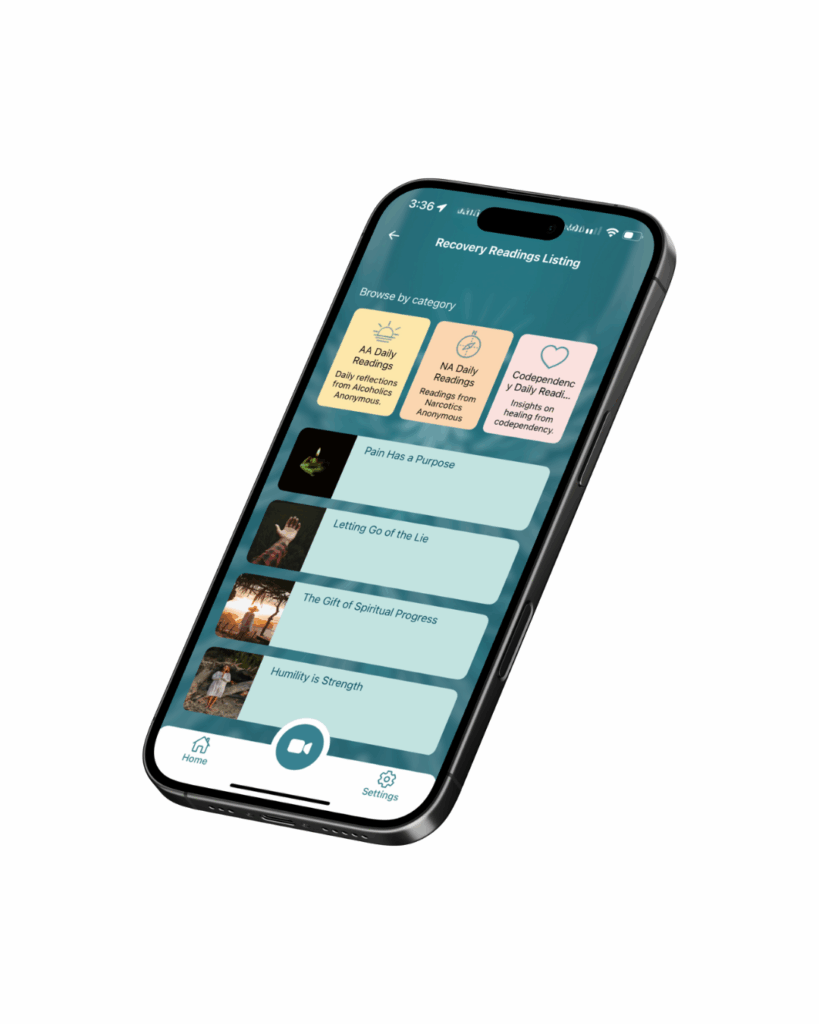
Many individuals manage these emotional changes more effectively through supportive recovery systems like the Connect Sobriety app, where people can stay emotionally grounded and connected during both difficult and successful periods of recovery.
Why Emotional Triggers Do Not Always Mean Something Is Wrong
Many people automatically associate emotional triggers with failure or weakness. During recovery, however, emotional triggers often represent adjustment rather than failure.
For example, someone may begin rebuilding healthy relationships, improving financial stability, or feeling emotionally healthier overall. At the same time, unexpected anxiety, emotional overwhelm, or fear may suddenly appear.
This happens because emotional growth often forces people outside familiar emotional patterns. Even healthy change can feel emotionally uncomfortable when the brain has spent years adapting to instability, stress, or unhealthy coping systems.
According to the Substance Abuse and Mental Health Services Administration (SAMHSA), recovery is a long-term emotional, behavioral, and mental adjustment process that continues long after sobriety begins.
Recovery growth is rarely emotionally perfect or completely linear.
How the Brain Adjusts to Stability During Recovery
Many individuals do not realize how deeply addiction affects emotional regulation and stress response systems over time. During active addiction, the brain often becomes familiar with emotional chaos, unpredictability, stress, and unhealthy coping patterns.
When stability finally begins appearing, the brain sometimes struggles adjusting to unfamiliar emotional calmness.
For example, someone may feel emotionally restless during peaceful periods because their mind has spent years functioning in survival mode. Quietness may feel uncomfortable. Emotional stability may feel unfamiliar. Predictable routines may even feel emotionally strange at first.
This does not mean someone secretly wants chaos. It often means the brain is still adapting to healthier emotional patterns.
The National Institute of Mental Health (NIMH) explains that emotional regulation and mental adjustment continue developing throughout recovery and emotional healing.
This process naturally requires patience and consistency.
Why Fear of Losing Progress Creates Emotional Stress
Another reason emotional triggers appear during positive recovery periods is that many individuals become afraid of losing the progress they worked hard to build.
For example, someone who finally rebuilds trust with family, improves work performance, or develops emotional stability may begin feeling intense pressure to protect those improvements perfectly.
This pressure often creates anxiety quietly.
Someone may begin thinking:
“What if everything falls apart again?”
“What if I ruin the progress I’ve made?”
“What if I can’t maintain this stability long term?”
These fears are common during recovery because emotional healing often includes learning how to trust stability again.
Unfortunately, constant fear of failure can create emotional exhaustion even during successful periods of recovery.
How Self-Doubt Quietly Returns During Growth
Many people assume confidence naturally grows alongside recovery progress. While confidence often improves gradually, self-doubt can still return unexpectedly during periods of emotional growth.
For example, someone may receive praise for positive life changes while privately feeling uncertain, emotionally overwhelmed, or afraid internally.
This often happens because emotional healing takes time. External improvements may happen faster than internal emotional confidence.
Someone may physically rebuild routines while still emotionally learning how to believe in their own long-term stability.
This emotional gap can create temporary insecurity even during positive recovery periods.
Why Positive Life Changes Can Feel Emotionally Overwhelming
Positive changes themselves can sometimes create emotional pressure during recovery. New responsibilities, healthier relationships, career opportunities, or personal goals often require emotional adjustment.
For example, someone rebuilding family trust may feel emotionally overwhelmed trying to maintain consistency. Another individual may feel pressure while adapting to healthier routines or new personal expectations.
Growth often creates responsibility, and responsibility sometimes creates stress.
The Centers for Disease Control and Prevention (CDC) explains that stress management and emotional wellness remain important even during positive life transitions.
This is why emotional self-care remains important during both difficult and successful periods of recovery.
How Overthinking Creates Emotional Triggers
Overthinking becomes one of the biggest emotional challenges during addiction recovery, especially when life begins improving. Many individuals constantly analyze their emotions, progress, future, and personal stability.
For example, someone may repeatedly question whether they are recovering “correctly” or worry excessively about possible future mistakes.
Over time, this mental pressure increases anxiety and emotional fatigue.
The problem is that many people believe overthinking protects them from failure. In reality, constant mental pressure often creates emotional exhaustion instead of emotional stability.
One important recovery skill is learning how to stay present rather than constantly fearing future problems that have not happened.
Healthy Daily Habits Help Reduce Emotional Instability
Many people manage emotional triggers more effectively by maintaining simple, healthy routines consistently, especially during emotionally successful periods when they feel tempted to relax recovery habits completely.
Helpful habits may include maintaining sleep consistency, exercising regularly, practicing emotional awareness, reducing overstimulation, limiting unhealthy isolation, and staying connected with supportive recovery systems.
For example, someone who continues practicing healthy routines during positive periods often handles emotional triggers more calmly than someone who abandons structure once life improves.
Consistency creates emotional stability over time.
Many individuals strengthen these habits through recovery support available on Connect Sobriety and educational guidance from the Recovery Blog Resources page.
Small routines often become emotional protection during unexpected stressful moments.
Why Emotional Support Still Matters During Successful Recovery
Some individuals stop seeking support once life begins improving because they assume emotional struggles should disappear completely after reaching stability.
In reality, emotional support often becomes even more important during growth periods.
For example, someone may appear externally successful while privately struggling with emotional pressure, fear of failure, or mental exhaustion internally.
Support systems help people stay emotionally grounded during these transitions.
Recovery becomes healthier when individuals feel emotionally connected instead of carrying every fear or pressure alone.
Common Mistakes People Make During Positive Recovery Periods
One common mistake is abandoning healthy routines too early once life starts improving. Some individuals stop prioritizing emotional self-care because they assume stability means recovery work is finished.
Another mistake is placing unrealistic pressure on themselves to maintain perfect emotional control all the time.
Some people also ignore emotional triggers because they feel guilty struggling during positive periods of life.
The truth is that emotional growth often continues even while life improves externally.
Healthy recovery requires ongoing emotional awareness, consistency, and patience.
Support Systems Help Recovery Stay Stable
Addiction recovery often becomes emotionally healthier when people stay connected to supportive environments during both difficult and successful periods of life.
You can learn more about supportive recovery communities through the About Us page or connect directly through the Contact Us page.
Support systems help people stay emotionally balanced while adjusting to healthier lifestyles and long-term personal growth.
Moving Forward Without Fearing Emotional Triggers
Experiencing emotional triggers during positive recovery periods does not automatically mean something is wrong.
In many cases, it simply means the mind and body are still adjusting to healthier emotional patterns, stability, and personal growth.
Recovery is not only about surviving difficult moments. It is also about learning how to feel emotionally safe inside healthier versions of life.
That adjustment sometimes takes time.
Some emotionally difficult days will still happen.
Unexpected fears may still appear occasionally.
But long-term recovery is usually strengthened through consistency, emotional honesty, supportive connection, and healthy routines continued over time.
Because healing often involves more than escaping chaos.
Sometimes healing also means learning how to peacefully live without it.