
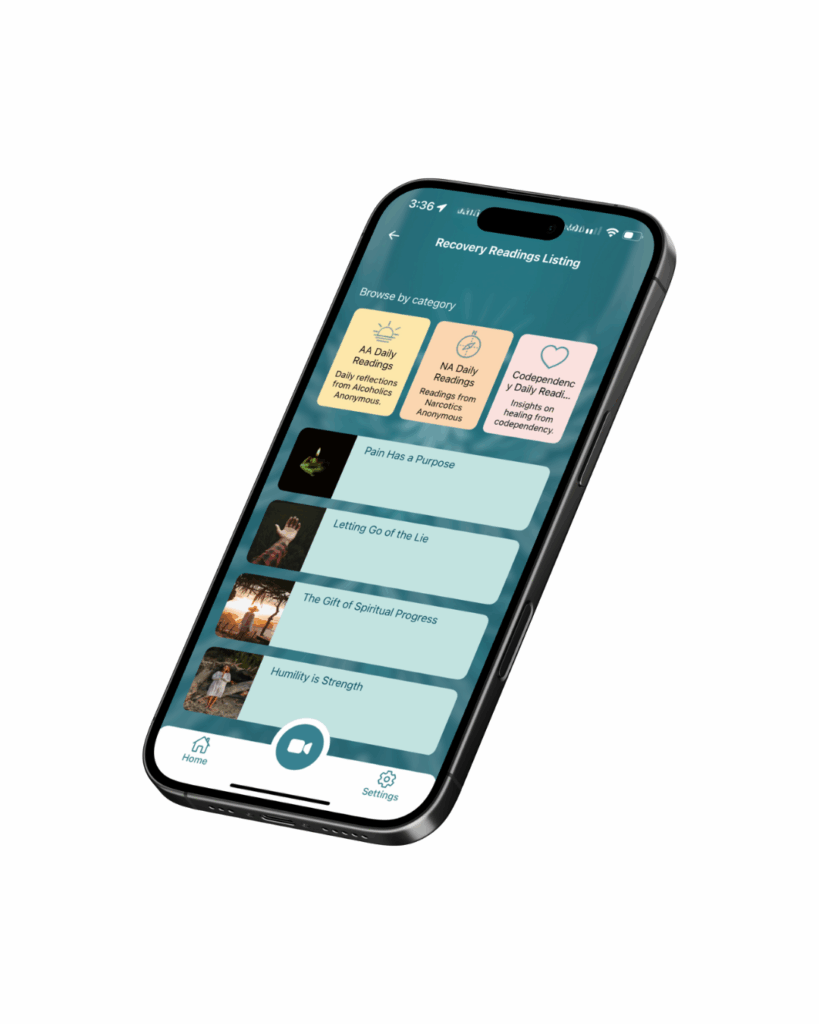
Managing cravings in addiction recovery is one of the most important skills you can develop on your journey to long-term sobriety. Cravings can appear unexpectedly and feel overwhelming, especially in the early stages of recovery. They can be triggered by emotions, environments, memories, or stress. Learning how to manage these cravings effectively helps you stay in control and prevents relapse. While cravings are a natural part of recovery, they do not have to control your actions. With the right mindset, strategies, and support, you can overcome them and continue building a healthier life. Many individuals stay supported and connected through tools like the Connect Sobriety app, where guidance and encouragement are always available.
Understanding Cravings in Recovery
Cravings are intense urges or desires to use substances. They can be physical, emotional, or psychological. According to the National Institutes of Health, cravings are a normal part of the recovery process and often decrease over time as the brain heals. Understanding cravings helps you respond to them in a healthy and controlled way.
Why Cravings Occur
Cravings are often linked to triggers such as stress, emotional pain, or environmental cues. During addiction, the brain becomes conditioned to associate certain situations with substance use. The National Institute on Drug Abuse explains that these associations can remain even after you stop using, which is why cravings can still occur.
Recognizing Your Personal Triggers
Identifying your personal triggers is the first step in managing cravings. Triggers can include certain places, people, emotions, or situations. Awareness allows you to prepare for these moments and respond in a healthier way.
Using Mindfulness to Stay in Control
Mindfulness helps you observe your cravings without acting on them. By focusing on the present moment, you can acknowledge the craving and let it pass without reacting impulsively. Research available on PubMed shows that mindfulness can reduce the intensity of cravings.
Developing Healthy Coping Strategies
Healthy coping strategies are essential for managing cravings. Activities such as exercise, journaling, and deep breathing can help you redirect your focus and reduce stress. The Centers for Disease Control and Prevention emphasizes the importance of coping strategies in maintaining overall well-being.
Creating a Structured Daily Routine
A structured routine can help reduce the frequency of cravings by keeping your mind and body engaged. Planning your day with positive activities provides stability and reduces the likelihood of encountering triggers. You can explore helpful tools through Connect Sobriety and learn more from the Recovery Blog Resources page.
Building Emotional Awareness
Emotional awareness helps you understand the feelings that may trigger cravings. Recognizing emotions such as stress, anger, or sadness allows you to address them before they lead to unhealthy behaviors.
Staying Connected to Support Systems
Support from others can make a significant difference in managing cravings. Sharing your experiences with trusted individuals provides encouragement and accountability. You can learn more about support systems on the About Us page and reach out through the Contact Us page.
Using Technology for Immediate Support
Technology can provide support whenever cravings arise. Many individuals rely on the Connect Sobriety app to stay connected, track their progress, and receive encouragement during challenging moments.
Practicing Delay Techniques
One effective way to manage cravings is to delay your response. When a craving occurs, give yourself time before acting on it. Often, cravings pass if you wait and focus on something else.
Replacing Old Habits with Positive Activities
Replacing harmful habits with positive ones can help reduce cravings. Engaging in activities such as exercise, hobbies, or social interactions provides a healthy outlet for your energy and attention.
Maintaining Physical Health
Physical health plays a key role in managing cravings. Regular exercise, proper nutrition, and adequate sleep can improve your mood and reduce stress. The World Health Organization highlights the importance of overall well-being in maintaining a healthy lifestyle.
Learning from Past Experiences
Reflecting on past experiences can help you understand what triggers your cravings and how you have successfully managed them before. This knowledge can guide your actions in the future.
Developing Confidence Through Control
Each time you successfully manage a craving, you build confidence in your ability to stay sober. This confidence reinforces your commitment and helps you face future challenges with strength.
Staying Patient with Yourself
Managing cravings is a process that takes time and practice. Being patient with yourself allows you to learn and grow without unnecessary pressure.
Creating a Positive Environment
Your environment can influence your cravings. Surrounding yourself with positive influences and removing triggers can help you stay focused on your recovery goals.
Focusing on Long-Term Goals
Keeping your long-term goals in mind can help you stay motivated when cravings arise. Reminding yourself of the life you are building can strengthen your commitment to recovery.
Moving Forward With Hope
Managing cravings in addiction recovery is a journey of strength, awareness, and growth. Every time you choose to overcome a craving, you are taking a powerful step toward a healthier and more fulfilling life. If you ever feel overwhelmed, remember that help is always available. Reach out, ask for support, and stay connected. Consider getting involved in recovery communities, supporting others, or contributing to meaningful causes. You can also explore more about getting started through the Landing Page and review important guidelines on the Terms and Conditions. Most importantly, continue moving forward with hope and determination, and stay connected through the Connect Sobriety app to keep your recovery strong every day.